
Beautiful Plants For Your Interior
Beautiful Plants For Your Interior
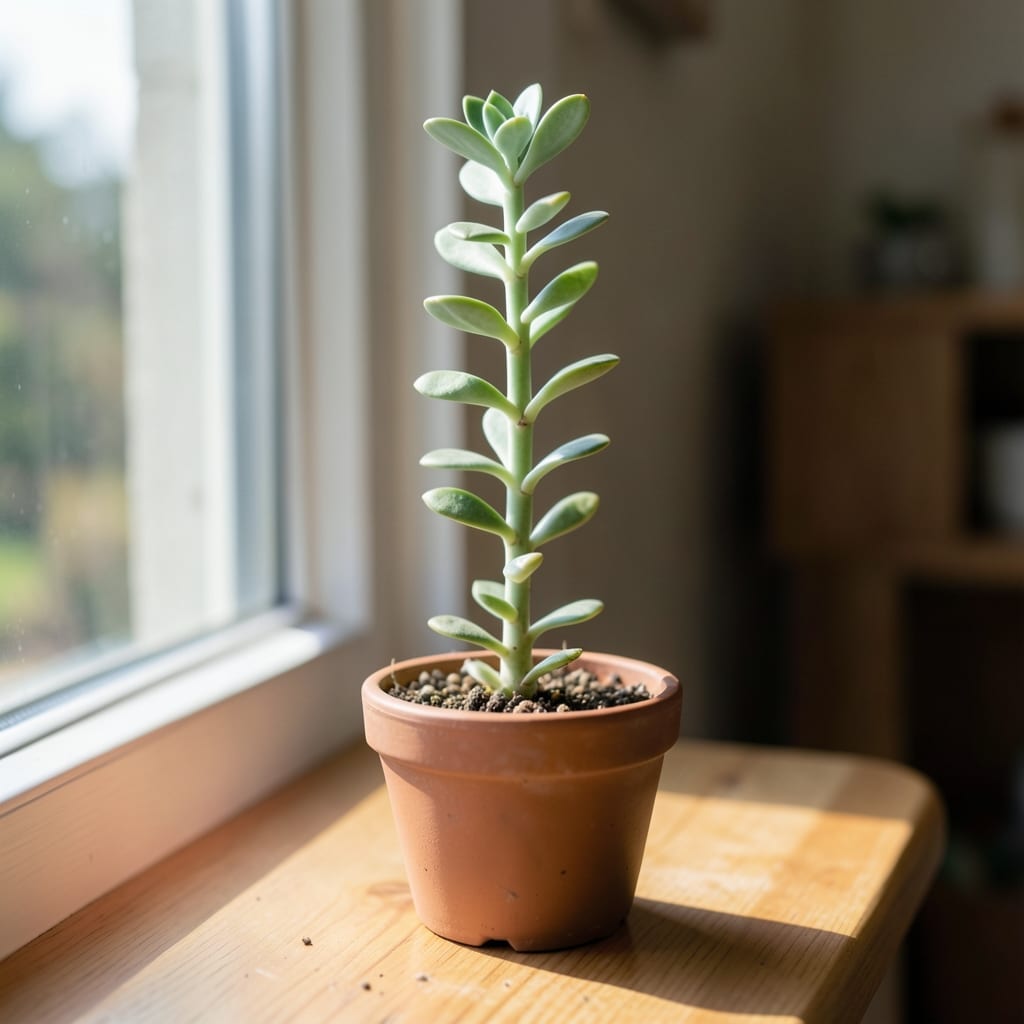
My succulents looked sad and stretched last winter. 🌱 Leggy growth means they’re starving for light, a condition called etiolation that turns compact beauties into awkward, top-heavy plants.
Here’s the thing—this isn’t permanent damage. With better light exposure and a few simple adjustments, your plants can return to their natural, sturdy shape. I’ve rescued dozens from the brink with just a sunny windowsill and consistent rotation.
You’ll see improvement within 2-3 weeks of moving them to brighter conditions. For severe cases, pruning and propagation can reset their growth pattern entirely.
Prevention is easier than you think: 6+ hours of bright light daily keeps them compact and colorful. No special equipment needed—just attention to their needs.
When your once-compact succulent starts looking leggy and stretched, it’s usually crying out for light. Here’s what’s happening behind the scenes:
The most common culprit is etiolation—a survival response where the plant elongates to reach for more light. Succulents thrive in bright, direct sunlight (6+ hours daily). Without it, they grow tall and sparse, with wide gaps between leaves. This weakens the stem and reduces vibrancy. Even indoor grow lights may not compensate if they’re too weak or positioned too far away.
Too much water doesn’t just rot roots—it can also encourage rapid, flimsy growth. Overwatered succulents stretch unnaturally as they prioritize upward expansion over sturdy structure. The excess moisture softens the cell walls, making stems more prone to bending or snapping. Pair this with low light, and you’ve got a double whammy of legginess.
Extreme temperatures (too hot or too cold) can disrupt a succulent’s growth hormones, leading to abnormal elongation. In cold conditions, the plant may stretch in a desperate bid to find warmth or light. Conversely, excessive heat without adequate light can cause similar stress responses, especially in species like Echeveria or Haworthia.
Succulents in nutrient-poor or overly dense soil may stretch as they struggle to access resources. While they don’t need rich soil, a complete lack of nutrients (or an imbalance, like too much nitrogen) can trigger weak, spindly growth. Ensure your mix is well-draining (50-70% grit/perlite) and fertilize sparingly with a balanced, low-nitrogen formula during the growing season.
If your succulents are stretching toward the light like they’re reaching for a high-five, it’s time to take action. Here’s how to fix each cause and restore their compact, healthy growth.
Relocate your succulents to a south-facing window where they can soak up 6–8 hours of direct sunlight daily. No sunny window? Use a grow light (LED or fluorescent) for 12–14 hours a day, positioning it 6–12 inches above the plants. Rotate pots weekly to ensure even exposure.
Prevention tip: 💡 Monitor light conditions seasonally—winter often requires supplemental lighting.
Let the soil dry completely between waterings. Stick your finger an inch into the soil—if it’s dry, it’s time to water. Use pots with drainage holes and a gritty, well-draining mix (50% perlite/pumice, 50% cactus soil). Reduce watering in dormancy (winter for most succulents).
Prevention tip: 🌡️ Use a moisture meter if you’re unsure—overwatering is a top killer!
Swap dense, moisture-retentive soil for a fast-draining mix (add coarse sand or gravel). Choose shallow, wide pots with drainage holes to prevent root rot. Terracotta pots are ideal—they wick away excess moisture.
Prevention tip: ✨ Avoid glass containers or pots without holes—they’re decorative but deadly for succulents.
If stretching happens during active growth (spring/summer), it’s often temporary. For immediate fixes, prune leggy stems with clean scissors, leaving 1–2 inches of base. Propagate the cuttings to grow new plants! Reduce water slightly during dormancy to slow growth.
Prevention tip: 🎯 Fertilize lightly (once in spring/summer) with a low-nitrogen succulent feed to avoid rapid, weak growth.
Look for stretched stems with wide gaps between leaves. Your plant will also lean toward the light source. 6+ hours of bright light daily prevents this.
Yes! Move it to a brighter spot immediately. You’ll see improvement in 2-3 weeks as new growth becomes more compact. Rotate the pot weekly for even exposure.
Avoid cutting more than 1/3 of the plant at once. Over-pruning stresses the succulent and can lead to rot. Always use clean, sharp scissors for a healthy cut.