
Beautiful Plants For Your Interior
Beautiful Plants For Your Interior
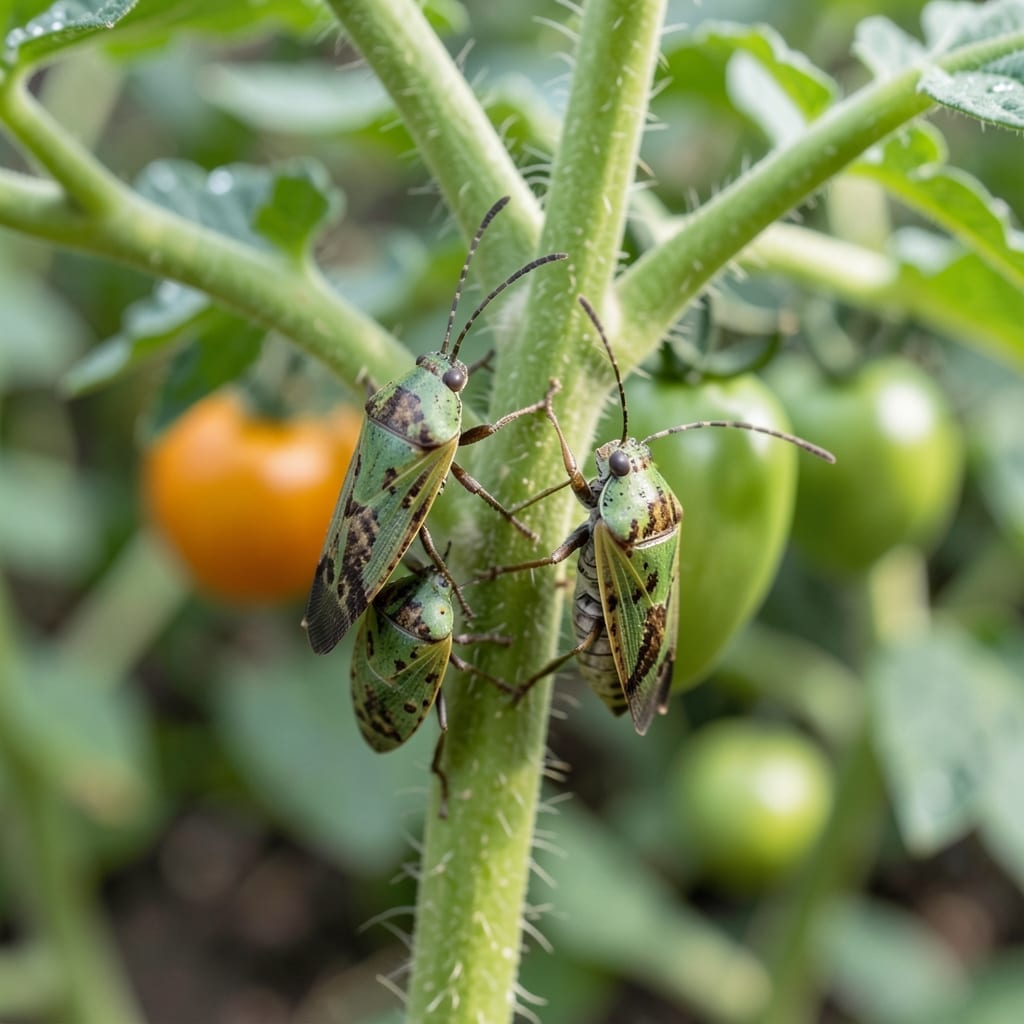
I noticed the jagged holes in my tomato leaves before I ever saw the culprits. Stink bugs move fast, but the damage they leave behind is unmistakable—wilted edges, deformed fruit, and that distinctive odor when crushed.
Here’s the thing—these pests don’t just attack tomatoes. They’ll go after peppers, beans, and even ornamental plants with equal enthusiasm. The key is catching them early before they multiply and turn your garden into their personal buffet.
After losing an entire crop to these shield-shaped menaces, I developed a foolproof organic defense system. It starts with vigilance and ends with healthy, thriving plants that shrug off their advances.
Works for vegetable gardens, container plants, and even houseplants near open windows. Let’s send them packing for good.
Stink bugs are drawn to plants for several key reasons, often tied to their survival and reproduction needs. Understanding these causes helps gardeners take targeted action to protect their foliage. Here’s why it happens:
Stink bugs primarily infest plants to feed on sap, fruits, and seeds. They use their piercing mouthparts to extract nutrients, which weakens the plant and can lead to wilting or deformities. Halyomorpha halys, the brown marmorated stink bug, is particularly fond of crops like tomatoes, peppers, and soybeans. The richer the food source, the more likely they’ll congregate.
Plants provide an ideal microhabitat—offering shade, moisture, and protection from predators. Stink bugs seek out dense foliage or mulch layers to hide during the day and stay active at night. Overgrown gardens or untreated organic debris (like fallen leaves) create perfect breeding grounds.
Female stink bugs lay eggs on the undersides of leaves, ensuring their offspring have immediate access to food once they hatch. Plants with broad leaves (e.g., squash or beans) are prime targets. A single female can deposit hundreds of eggs in a season, rapidly escalating an infestation if left unchecked.
Some plants emit volatile organic compounds (VOCs) that act as chemical signals, inadvertently luring stink bugs. For example, damaged or stressed plants release distress signals that these pests interpret as a dinner invitation. Even healthy plants in monoculture gardens (e.g., large patches of corn) can attract swarms due to concentrated food signals.
Dealing with stink bugs on your plants can be frustrating, but these practical solutions will help you reclaim your garden. Below are targeted fixes for common causes, along with prevention tips to keep your foliage healthy long-term.
If you spot stink bugs on your plants, the simplest solution is to handpick them early in the morning when they’re sluggish. Drop them into a bucket of soapy water to ensure they don’t return. For larger infestations, use a vacuum to suck them up—just be sure to dispose of the bag immediately to prevent odors.
Stink bugs dislike strong scents, so essential oils like neem, peppermint, or garlic can act as effective deterrents. Mix a few drops with water and spray it on affected plants. Pro tip 💡: Reapply after rain for lasting protection. Diatomaceous earth is another great option—sprinkle it around the base of plants to create a barrier that dehydrates these pests.
Attract natural enemies of stink bugs, such as birds, parasitic wasps, and ladybugs, by planting companion flowers like marigolds or sunflowers. A diverse garden ecosystem helps keep stink bug populations in check without chemicals.
With these strategies, you can effectively manage stink bugs and keep your plants thriving!
Tomatoes, peppers, and beans are prime targets. They also attack soybeans, corn, and fruit-bearing plants like apples and peaches.
Look for wilted edges, deformed fruit, or small puncture marks on leaves. You might also spot their eggs on leaf undersides.
Early morning is ideal when they’re sluggish. Use soapy water or a vacuum for quick removal.
Yes! Neem oil, peppermint, and garlic sprays deter them effectively. Reapply after rain for best results.