
Beautiful Plants For Your Interior
Beautiful Plants For Your Interior
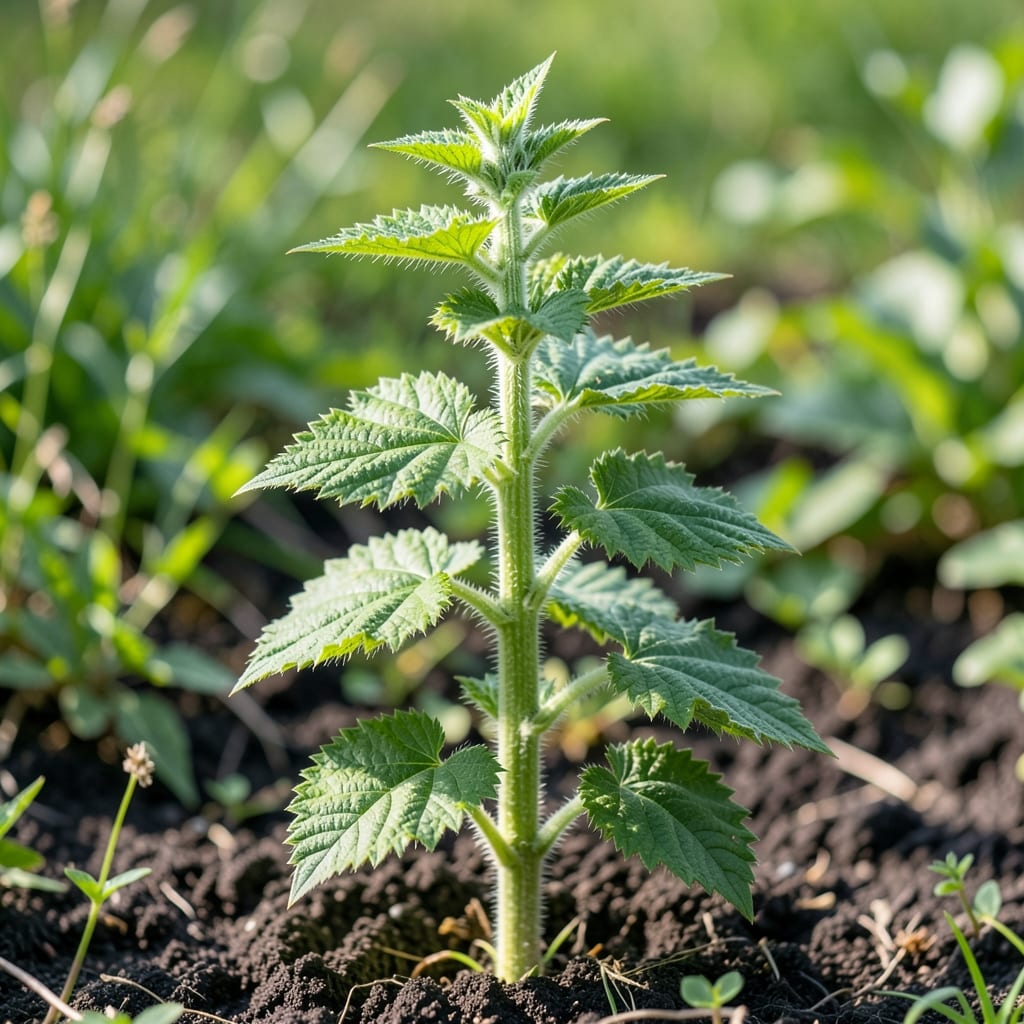
That sharp sting catches you off guard every time. I’ve brushed against stinging nettles more often than I’d like to admit, and the burning itch can ruin an afternoon in the garden.
The good news is relief doesn’t require a trip to the store. Simple household items like baking soda or dock leaves can neutralize the irritation within minutes, not hours.
You’ll learn to spot these plants before they strike—look for serrated leaves and fine hairs on stems. Once identified, removal is straightforward with the right precautions.
Prevention starts with knowing their favorite hiding spots: shady corners and moist soil. Keep your garden clear, and you’ll avoid the sting entirely.
The burning, itching sensation from stingy nettles (often called stinging nettles) is a direct result of the plant’s natural defense mechanism. Below are the key reasons why contact with this plant leads to discomfort, explained with scientific clarity.
Stinging nettles (Urtica dioica) have hollow, hair-like structures called trichomes on their leaves and stems. When brushed against, these trichomes break and inject a cocktail of chemicals, including formic acid, histamine, acetylcholine, and serotonin. Formic acid irritates the skin, while histamine triggers inflammation and itching—a classic allergic-like response.
Acetylcholine in the nettle’s sting overstimulates nerve endings, causing a sharp, burning pain. Serotonin further amplifies the pain signal, making the sensation feel more intense than a typical skin irritation.
The trichomes act like microscopic needles, piercing the skin to deliver these irritants. This physical breach allows the chemicals to penetrate deeper, prolonging the reaction unless treated promptly.
Understanding these mechanisms helps explain why stingy nettles treatment often focuses on neutralizing acids (e.g., baking soda) or blocking histamine (e.g., antihistamines) to relieve symptoms.
Dealing with the discomfort of stingy nettles? Here’s how to soothe the irritation and get back to feeling your best.
If you’ve just been stung, rinse the area with cool water to remove any lingering plant oils. Apply a cold compress or ice pack wrapped in a cloth for 10 minutes to reduce swelling and numb the sting. Over-the-counter antihistamine creams or hydrocortisone can also help calm the itch.
For a gentler approach, try aloe vera gel or a baking soda paste (mix with water) to neutralize the sting. Dock leaves, often found growing near nettles, can be crushed and rubbed on the skin for quick relief. Prevention tip: Keep a small first-aid kit with these remedies when hiking or gardening.
If the rash persists, moisturize with fragrance-free lotions to prevent dryness. Avoid scratching—trim your nails short to reduce the risk of infection. For severe reactions, see a doctor.
Prevention tip: Wear long sleeves, gloves, and closed-toe shoes when in areas with nettles. 💡 Pro tip: Apply a barrier cream like calamine lotion before exposure for extra protection.
The discomfort typically fades within 24 hours, but severe reactions may persist for 2-3 days. Immediate treatment can significantly reduce this timeframe.
Baking soda neutralizes the formic acid in the sting, providing quick relief. Mix it with water to form a paste and apply directly to the affected area.
Yes, vinegar can help neutralize the sting due to its acidic properties. Soak a cloth in white vinegar and dab it on the skin for 5-10 minutes.
Avoid scratching to prevent infection. If it itches, apply hydrocortisone cream or a cold compress instead.