
Beautiful Plants For Your Interior
Beautiful Plants For Your Interior
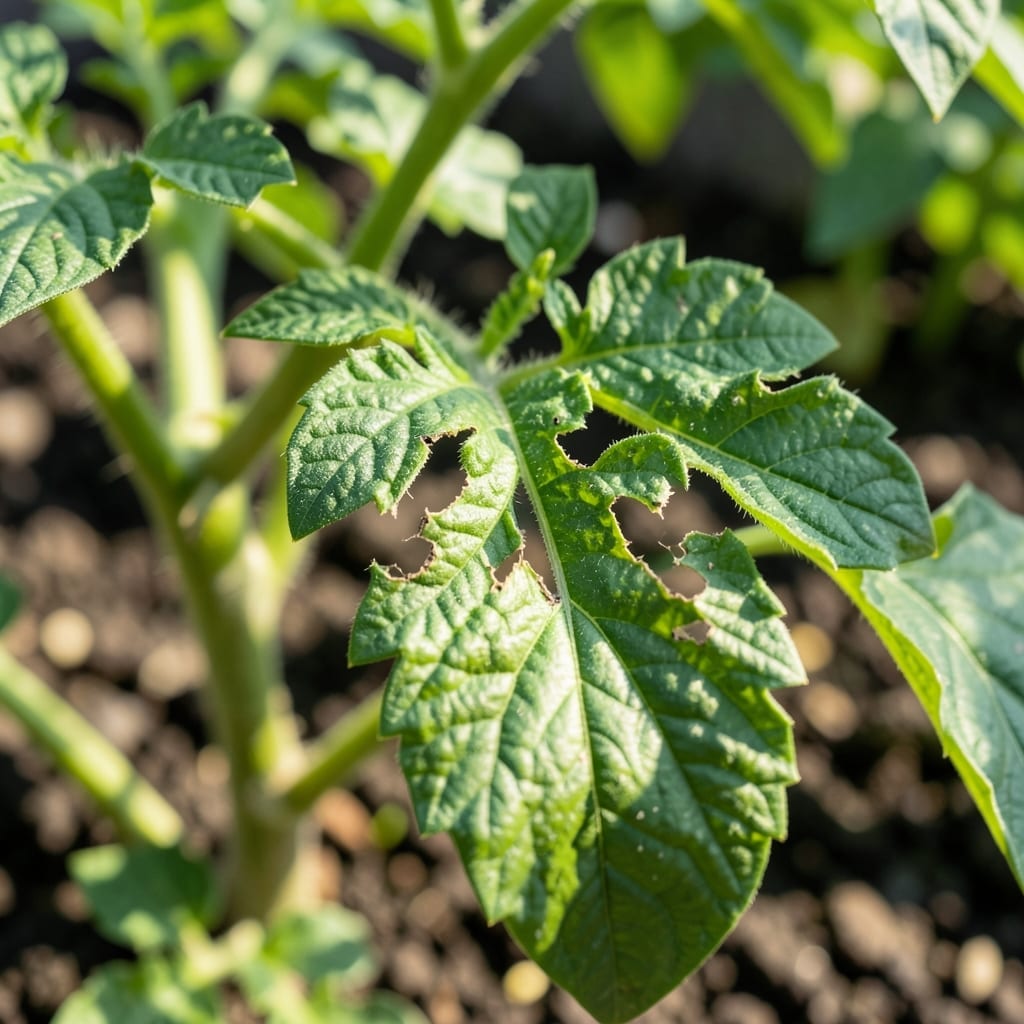
My first garden looked like a squirrel buffet. 🌱 One morning I counted 12 freshly dug holes where my tulip bulbs should’ve been, and that’s when I knew we needed a new approach.
These furry bandits aren’t malicious—they’re just hungry and your garden is an easy target. They’ll dig up seeds, munch on fruits, and even gnaw through irrigation lines if left unchecked.
Here’s the thing—you don’t need traps or chemicals. A few organic deterrents and smart protections can keep them out while letting your plants thrive.
With the right barriers and distractions, you’ll wake up to blooms instead of battle scars. The solution is simpler than you’d think.
Squirrels may seem adorable, but their foraging habits can wreak havoc on your garden. Understanding why they target your plants is the first step toward protecting your green space. Here’s a breakdown of the key reasons:
Squirrels are hardwired to dig and bury food as part of their survival strategy. They often mistake freshly planted gardens for natural foraging grounds, especially when they smell seeds, bulbs, or tubers beneath the soil. Their sharp sense of smell and memory lead them to revisit these spots, causing repeated damage.
In urban and suburban environments, natural food sources like acorns and nuts can be limited. Gardens become an easy, nutrient-rich alternative. Squirrels are opportunistic feeders and will target fruits, vegetables, and even flower bulbs to meet their dietary needs.
Gardens often provide the perfect combination of shelter and food. Dense shrubs, mulch, and compost piles offer hiding spots, while the soil is ideal for burying and retrieving food. The closer your garden is to trees or other squirrel habitats, the more likely they are to visit—and stay.
Squirrels need hydration, and gardens with birdbaths, dripping hoses, or moist soil can draw them in. Once they’re there, they’ll explore and often dig for additional resources, leading to unintended damage.
By addressing these root causes—securing food sources, removing attractants, and modifying the environment—you can reduce the likelihood of squirrel-related garden destruction.
Squirrels can wreak havoc on your garden, but these targeted solutions will help you reclaim your space and protect your plants. Focus on addressing the root causes with practical fixes.
Squirrels love to dig for buried treasures or to stash their own. Lay down hardware cloth or chicken wire (1/4-inch mesh) just below the soil surface around vulnerable areas. For added protection, create a small trench around garden beds and bury the wire vertically to deter digging. Prevention tip: 💡 Use raised beds with buried edges to make access even harder.
Squirrels gnaw on bark, stems, and even irrigation lines. Spray a homemade repellent of hot pepper sauce, garlic, and water (1:1:10 ratio) on affected areas. Reapply after rain. For a longer-lasting solution, wrap tree trunks with metal collars or use plastic tree guards. Prevention tip: ✨ Plant squirrel-resistant species like daffodils, hyacinths, or marigolds near high-risk plants.
Set up a squirrel feeder filled with corn or nuts far from your garden to lure them away. For persistent thieves, use humane traps to relocate them (check local regulations first). Prevention tip: 🎯 Harvest fruits and nuts as soon as they ripen, and clean up fallen produce to remove temptation.
Inspect sheds, trellises, or compost bins for nests. Seal gaps with steel wool or caulk, and trim overhanging branches that provide easy access. Prevention tip: 🌡️ Keep your garden tidy—remove leaf piles, brush, and debris where squirrels might nest.
Consistency is key! Combine these methods for the best results, and always opt for humane, organic solutions to keep your garden thriving.
Look for shallow holes in planting beds, gnawed fruits or vegetables, and half-eaten bulbs. Missing seeds or disturbed mulch are also telltale signs.
Results are mixed. Some gardeners report success, but others see no effect. Physical barriers like wire mesh tend to be more reliable for consistent protection.
Place 1/4-inch mesh about 6 inches deep and extend it 6 inches above ground angled outward. This prevents both digging and climbing.