
Beautiful Plants For Your Interior
Beautiful Plants For Your Interior
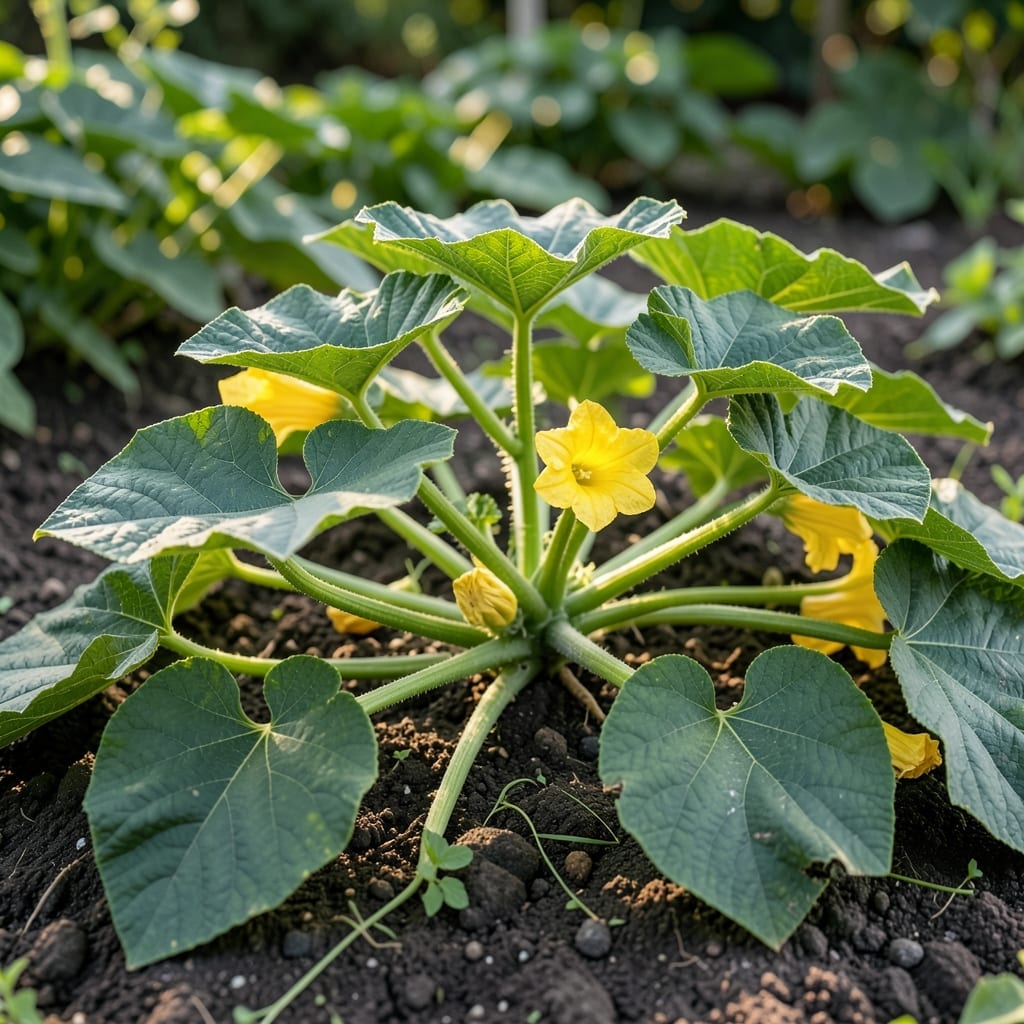
Nothing stings like watching squash vines sprawl across the garden, loaded with flowers but zero fruit. I’ve been there—countless blooms, no squash in sight, and a sinking feeling that the season’s wasted.
Turns out, the usual culprit isn’t bad soil or lazy plants. It’s often missed pollination, hungry pests, or a simple nutrient gap. Fix these, and those vines start producing like they mean it.
With a few tweaks, you’ll see baby squash forming within a week. The plants shift from all show to all go, and suddenly, you’re harvesting more than you can carry.
Works for zucchini, pumpkins, and every summer squash in between. Let’s turn those barren vines around.
Squash plants may fail to produce fruit due to several biological and environmental factors. Understanding these causes helps you take corrective action.
Squash plants rely on insect pollinators like bees to transfer pollen from male to female flowers. Without pollination, female flowers simply wither and drop off. This often happens in gardens with low bee activity or during cool, rainy weather that discourages pollinators. Hand-pollinating with a small brush can solve this issue.
Too much nitrogen encourages leafy growth at the expense of flowers and fruit. Squash needs a balanced fertilizer with higher phosphorus (for flowering) and potassium (for fruiting). A soil test can reveal deficiencies, allowing you to amend with compost or a 10-10-10 fertilizer.
Extreme heat (above 90°F) or cold (below 50°F) can disrupt flower development and pollen viability. Squash thrives in 70–85°F conditions. Using row covers in early spring or shade cloth in summer can stabilize temperatures for better fruit set.
Fluctuating moisture levels cause flower or fruit drop. Squash needs 1–2 inches of water per week, applied at the base to avoid wetting leaves (which can invite disease). Drip irrigation ensures steady hydration without stressing the plant.
If your squash plants are flowering but not producing fruit, follow these targeted fixes to get them back on track.
Squash relies on bees, but if they’re scarce, step in yourself. Use a small paintbrush to transfer pollen from male flowers (long stems) to female flowers (tiny fruit at the base) in the morning. Prevention tip: Plant bee-friendly flowers nearby to attract pollinators naturally.
Inconsistent watering can cause flowers to drop before fruiting. Keep soil evenly moist (not soggy) with a drip irrigation system or soaker hose. Prevention tip: Mulch around plants to retain moisture and reduce stress.
Temperatures above 90°F can scorch flowers and halt fruit set. Use shade cloth during peak heat or plant squash where it gets afternoon relief. Prevention tip: Choose heat-tolerant varieties like ‘Heatmaster’ for future crops.
Too much nitrogen promotes leafy growth but no fruit. Switch to a balanced or phosphorus-rich fertilizer (5-10-10) to support blooming. Prevention tip: Test soil annually to avoid imbalances.
Dense foliage blocks airflow and pollinators. Space plants 2–3 feet apart and prune excess leaves. Prevention tip: Follow spacing guidelines on seed packets from the start.
Small tweaks can yield big results—try one fix at a time and monitor progress!
Check for female flowers with tiny squash at the base that simply wither and drop. If the fruit doesn’t grow, pollination failed. Hand-pollinating in the morning often fixes this.
Use a balanced fertilizer with higher phosphorus, like 5-10-10. This encourages blooming and fruiting instead of just leafy growth. Test soil before amending.
Yes! Overwatering leads to root rot and flower drop. Stick to 1-2 inches per week and water at the base. Drip irrigation helps maintain consistency.
This usually means poor pollination or nutrient imbalance. Attract bees with companion flowers or hand-pollinate. Reduce nitrogen-heavy fertilizers for better results.