
Beautiful Plants For Your Interior
Beautiful Plants For Your Interior
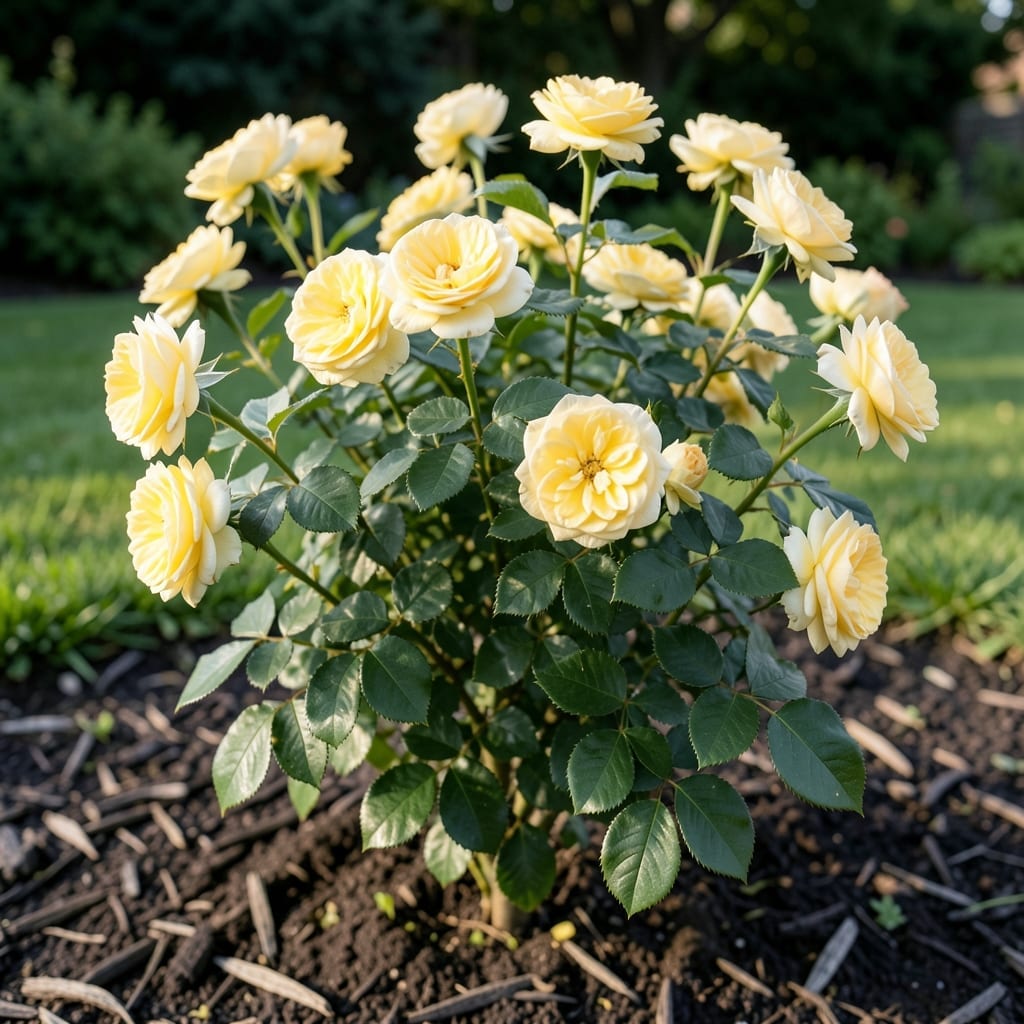
Yellow spray roses lit up my garden when everything else looked dull. These clusters of small blooms pack serious color impact, turning any space into a cheerful display without demanding constant attention.
I learned the hard way that they thrive with 6+ hours of sunlight and well-draining soil. Too much shade or soggy roots, and you’ll get weak stems with fewer flowers. The payoff is months of continuous blooms from late spring.
Pruning at the right time keeps them compact and disease-resistant. A little effort each season means more flowers, stronger plants, and a garden that looks intentional, not overgrown.
Works in borders, containers, or as a bright focal point. Here’s how to nail it every time.
Spray roses turning yellow can be frustrating, but understanding the root causes helps you address the issue effectively. Below are the most common reasons, explained with actionable insights.
Yellowing leaves often signal a lack of essential nutrients, particularly nitrogen, magnesium, or iron. Nitrogen deficiency typically starts with older leaves turning pale yellow, while magnesium deficiency causes yellowing between leaf veins (interveinal chlorosis). Iron deficiency, common in alkaline soils, leads to yellow leaves with green veins. Solution: Test your soil and amend it with a balanced fertilizer or targeted supplements like Epsom salt (for magnesium) or chelated iron.
Extreme temperatures, overwatering, or poor drainage can stress spray roses, leading to yellow foliage. Waterlogged roots suffocate and rot, while drought conditions prevent nutrient uptake. Similarly, sudden temperature swings or excessive heat can cause physiological stress. Solution: Ensure consistent moisture (1–2 inches of water weekly) and improve soil drainage with organic matter like compost.
Diseases like black spot or powdery mildew can cause yellowing as they damage leaf tissue. Black spot creates dark spots with yellow halos, while powdery mildew coats leaves in a white, powdery film. These fungi thrive in humid, poorly ventilated conditions. Solution: Prune infected leaves, improve air circulation, and apply fungicides like neem oil or copper-based sprays preventatively.
Pests such as aphids, spider mites, or thrips suck sap from leaves, causing yellowing and stunted growth. Aphids often cluster on new growth, while spider mites create fine webbing under leaves. Solution: Blast pests off with water or use insecticidal soap. Introduce beneficial insects like ladybugs for natural control.
If your spray roses are turning yellow, don’t panic—there are clear fixes for the most common causes. Below, we map each issue to a practical solution, plus tips to keep your blooms vibrant.
Yellow leaves often signal a lack of nitrogen, magnesium, or iron. Fix it: Use a balanced, water-soluble fertilizer (10-10-10) every 2–4 weeks during growing season. For magnesium, add Epsom salt (1 tablespoon per gallon of water) as a foliar spray. Iron deficiency? Apply chelated iron to the soil.
Prevention tip: 💡 Test your soil annually to catch deficiencies early.
Too much water suffocates roots, leading to yellowing. Fix it: Let the top 1–2 inches of soil dry out between waterings. Ensure pots have drainage holes, and amend heavy soil with compost or perlite.
Prevention tip: 🌡️ Water in the early morning to reduce evaporation and fungal risks.
Spray roses need 6–8 hours of sunlight daily. Yellow leaves can mean sunburn (brown edges) or insufficient light (pale, weak growth). Fix it: Move potted roses to a spot with dappled afternoon shade if leaves scorch. For shaded plants, relocate to a sunnier area or prune nearby obstructions.
Prevention tip: ✨ Monitor light conditions as seasons change.
Aphids, spider mites, or fungal infections (like black spot) can stress plants, causing yellowing. Fix it: Spray with neem oil or insecticidal soap for pests. For fungi, remove affected leaves and apply a copper-based fungicide.
Prevention tip: 🎯 Space plants for airflow and avoid overhead watering.
Root-bound or compacted soil restricts nutrient uptake. Fix it: Gently loosen the root ball and repot in fresh, well-draining soil. For in-ground roses, aerate the soil around the base.
Prevention tip: 🌿 Divide or repot spray roses every 2–3 years.
Water deeply 1-2 times per week, letting the top 1-2 inches of soil dry between sessions. Adjust for extreme heat or drought conditions.
Use a balanced 10-10-10 water-soluble fertilizer every 2-4 weeks during growth. Add Epsom salt for magnesium if leaves yellow between veins.
Yes! Choose a container with drainage holes and well-draining soil. Ensure it gets 6-8 hours of sunlight daily. Repot every 2-3 years.
This indicates iron deficiency, common in alkaline soil. Treat with chelated iron and improve soil pH for long-term prevention.