
Beautiful Plants For Your Interior
Beautiful Plants For Your Interior
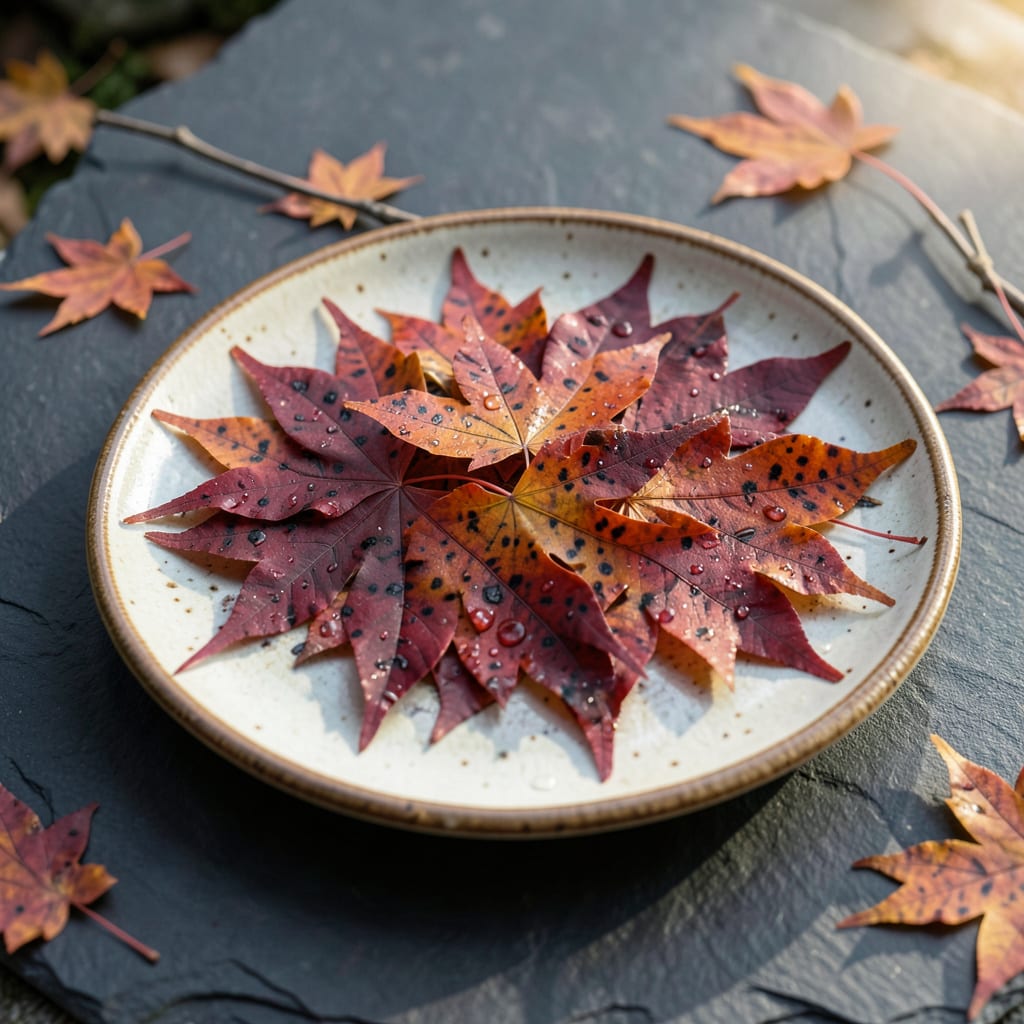
Those dark splotches on your Japanese maple aren’t just unsightly—they’re a warning. I’ve seen fungal spots turn perfectly healthy trees into struggling specimens in a single season.
Most cases trace back to three culprits: anthracnose, leaf spot, or powdery mildew. Each leaves a distinct pattern, but all thrive in wet, crowded conditions. The good news? Early intervention can reverse the damage.
You’ll need to improve air circulation, remove infected leaves, and apply the right fungicide at the right time. Prevention is simpler than treatment—once you know what to look for.
This approach works for all varieties, from laceleaf to upright forms. Your tree can recover its vibrant color and health with consistent care.
Spots on Japanese maple leaves often stem from environmental stress, pathogens, or cultural mismanagement. Below are the most common causes, explained with actionable insights.
Fungi like Phyllosticta or Mycosphaerella thrive in wet, humid conditions, causing dark, irregular spots. These pathogens spread via spores, which germinate when leaves remain damp for 6+ hours. Overhead watering or poor air circulation exacerbates the issue.
Extreme heat, drought, or sudden temperature swings can trigger leaf scorch, appearing as brown or black spots. Japanese maples prefer consistent moisture and partial shade; full sun in hot climates often leads to stress-related spotting.
Insects like aphids or mites pierce leaf tissue, creating entry points for secondary infections. Their feeding can also cause stippling (tiny yellow spots) or distort growth. Inspect leaf undersides for pests or sticky honeydew residue.
Overwatering or poor drainage leads to root rot, which manifests as leaf spots due to nutrient uptake failure. Conversely, underwatering causes dry, crispy edges. Always use well-draining soil and water at the base to avoid foliar diseases.
Lack of magnesium or potassium can cause interveinal chlorosis (yellowing between veins) or necrotic spots. A soil test helps identify deficiencies; amend with balanced fertilizers or Epsom salt for magnesium.
Dealing with unsightly spots on your Japanese maple leaves? Here’s how to tackle each cause with targeted solutions and practical prevention tips.
If fungal spots like anthracnose or tar spot are the culprit, start by removing and destroying infected leaves to prevent spreading. Apply a copper-based fungicide or neem oil every 7–10 days during wet seasons. Prevention tip: 💡 Improve air circulation by thinning branches, and avoid overhead watering to keep foliage dry.
For spots caused by pests like aphids or mites, spray leaves with a mild insecticidal soap or horticultural oil. For severe infestations, opt for a targeted pesticide. Prevention tip: 🎯 Encourage beneficial insects (e.g., ladybugs) and inspect leaves regularly for early signs of pests.
Brown or scorched spots from sunburn or drought? Move potted maples to partial shade and ensure consistent moisture—water deeply 1–2 times weekly. Mulch around the base to retain moisture. Prevention tip: 🌡️ Avoid late-day watering to reduce humidity overnight, which can invite fungal issues.
Yellowing or interveinal spots often signal a lack of iron or magnesium. Apply a balanced, slow-release fertilizer or a chelated iron supplement for quick correction. Prevention tip: ✨ Test soil annually and amend with compost to maintain nutrient-rich conditions.
Act quickly at the first sign of trouble, and your Japanese maple will reward you with vibrant, spot-free foliage!
Fungal spots are usually dark with defined edges and may spread quickly. Environmental stress shows as uniform browning or scorching, often on leaf margins. Check for wet conditions or recent weather changes to confirm.
For fungal issues, yes—removing infected leaves prevents spore spread. Dispose of them in the trash, not compost. Pair this with improved air circulation and fungicide for best results.
Overwatering leads to root rot, which manifests as yellow or brown leaf spots. Ensure your soil drains well and water only when the top 1-2 inches are dry.
Spray leaves with insecticidal soap or horticultural oil at first sign of pests. Focus on leaf undersides where bugs often hide. Repeat every 5-7 days until resolved.
