
Beautiful Plants For Your Interior
Beautiful Plants For Your Interior
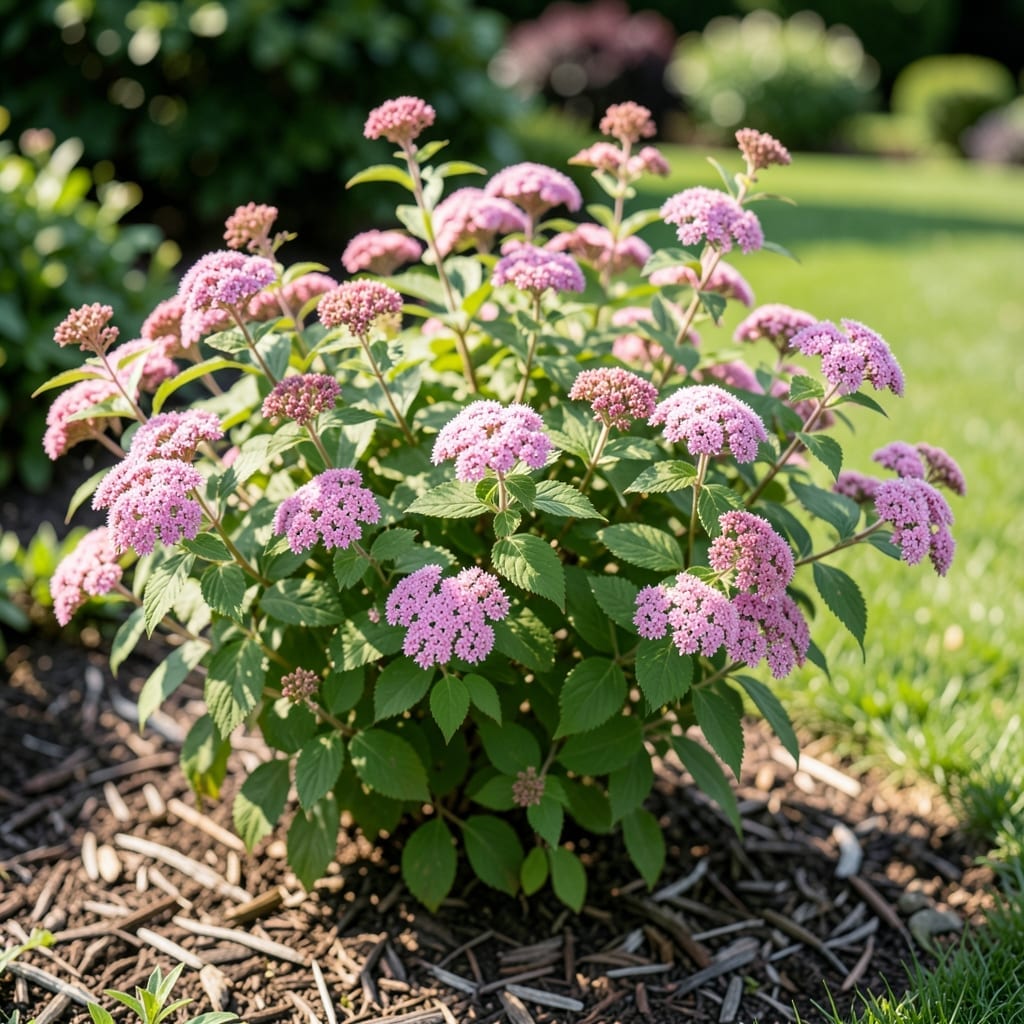
This shrub brightens shady spots like nothing else. I first planted Japanese White Spirea along my north fence, and it transformed that dull corner with its cascading blooms every spring.
It thrives with minimal fuss—just well-draining soil and occasional pruning. You’ll get weeks of white flowers that attract pollinators, and the foliage stays neat all season. Perfect for borders or foundation plantings.
📚 In This Guide
Here’s how I consistently establish healthy spirea shrubs that flourish even with limited direct sunlight.
Choose a spot receiving 4-6 hours of morning sun with afternoon shade, which prevents leaf scorch while maintaining vibrant blooms. Japanese white spirea tolerates full shade but produces fewer flowers and looser growth habits.
Test your soil drainage by digging a 12-inch deep hole and filling it with water. If it drains completely within 4 hours, the location is suitable. This shrub despises waterlogged roots, which manifest as yellowing leaves and stunted growth.
Amend the planting area with 2-3 inches of compost worked into the top 8 inches of native soil. This improves drainage in clay soils while adding organic matter to sandy ones. I’ve found that spirea establishes faster when the soil pH rests between 6.0-7.0.
Avoid adding fertilizer at planting time, as it can burn developing roots. Instead, focus on creating a loose, well-draining bed that allows the root ball to spread easily. The planting hole should be twice as wide as the root ball but no deeper.
Remove the spirea from its container and gently tease apart any circling roots. Position the shrub so the top of the root ball sits 1 inch above the surrounding soil level to prevent settling. This slight mound prevents water from pooling around the stem.
Backfill with native soil, tampling lightly to remove air pockets. Water deeply with 1-2 gallons immediately after planting, then maintain consistent moisture for the first 6-8 weeks until established. You’ll know it’s properly hydrated when the soil feels damp 3 inches down.
Once established, Japanese white spirea thrives with 1 inch of water weekly, including rainfall. I check soil moisture by inserting my finger 2 inches deep—if it feels dry, it’s time to water. Morning irrigation prevents fungal issues that appear as brown spots on leaves.
Apply a 2-3 inch layer of mulch around the base, keeping it 3 inches away from the stems to prevent rot. Use organic mulch like shredded bark, which breaks down to improve soil structure over time while suppressing weeds that compete for nutrients.
Prune immediately after blooming, typically in early summer, by removing one-third of the oldest stems at ground level. This rejuvenation pruning encourages vigorous new growth and maintains the shrub’s natural fountain shape.
For shaping, trim back the tips of remaining stems by 2-4 inches to promote bushier growth. Real talk: I’ve ruined more spirea by over-pruning than under-pruning—this plant responds best to gentle, strategic cuts rather than drastic shearing. Always use clean, sharp bypass pruners to make precise cuts that heal quickly.
Small adjustments make a big difference when establishing this shrub in partial shade.
Sunlight Strategy: The 4-6 hours of morning sun specified in Step 1 is non-negotiable for vibrant blooms. Afternoon shade prevents leaf scorch, but full shade will give you a leggy, sparse plant with minimal flowers. I learned this the hard way after planting one in deep shade—it survived but never thrived.
Drainage Test: That 4-hour drainage test in Step 1 isn’t just a suggestion. If water lingers longer than this in your test hole, amending with extra compost or choosing a different spot will save you from yellowing leaves and stunted growth. This shrub’s roots need to breathe.
Planting Depth: In Step 3, positioning the root ball 1 inch above surrounding soil isn’t just about aesthetics—it prevents the dreaded “wet collar” that leads to stem rot. I’ve seen established plants decline rapidly when planted too deep, even in well-draining soil.
Pruning Discipline: The one-third removal of oldest stems in Step 5 might seem drastic, but it’s the secret to longevity. Confession: I skipped this for years and wondered why my shrubs looked woody and sparse. The new growth that follows rejuvenation pruning is where you’ll get your best blooms.
Early spring or fall is ideal for planting Japanese white spirea. This timing allows the roots to establish before extreme heat or cold. Avoid planting in peak summer to reduce stress on the shrub.
While it tolerates partial shade, Japanese white spirea thrives best with at least 4-6 hours of sunlight daily. In full shade, it may produce fewer blooms and have leggy growth.
Water deeply 1-2 times per week for the first few months after planting. Once established, it’s drought-tolerant and only needs watering during prolonged dry spells.
Look out for aphids, spider mites, or leaf spot diseases. Regularly inspect leaves and use insecticidal soap or fungicides if needed. Good airflow helps prevent fungal issues.
Yes! Consider astilbe, hydrangea, or hosta for similar partial shade conditions. These plants also offer beautiful foliage and blooms but may have different care requirements.