
Beautiful Plants For Your Interior
Beautiful Plants For Your Interior
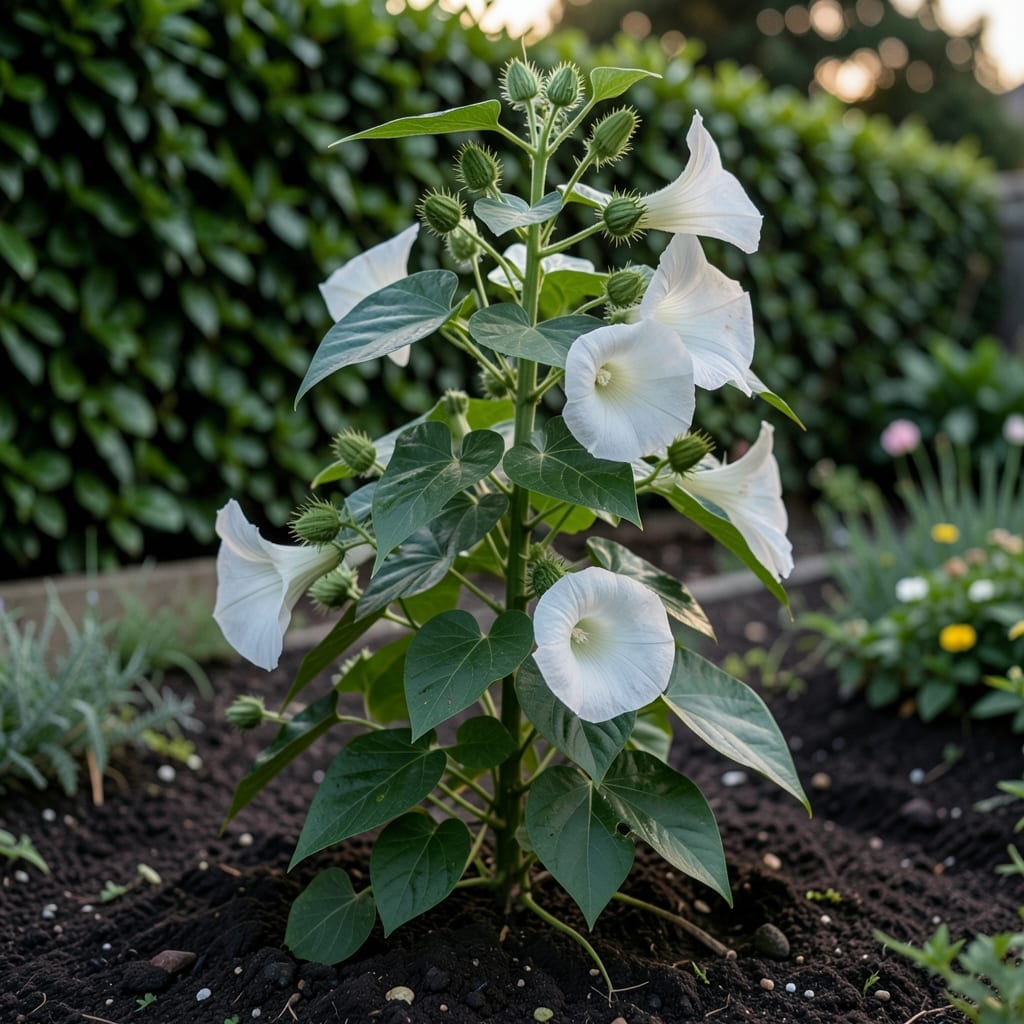
Those spiky pods hold next season’s moonflowers. I used to toss them, thinking they were just odd leftovers from the vines.
Turns out, they’re packed with seeds waiting to burst into those fragrant white blooms. The trick is knowing when to pick them—too soon and the seeds won’t mature, too late and they’ll split open on their own.
With a little patience, you’ll have dozens of seeds from just one plant. Store them right, and they’ll stay viable for 3-5 years, ready to climb and bloom when you are.
Works for any garden, from containers to trellises. Here’s how to do it right.
The spiky appearance of moonflower (Ipomoea alba) seed pods is a natural adaptation with a few key causes. These prickly structures serve important functions in the plant’s survival and reproduction.
The primary reason moonflower seed pods develop spikes is defense. The sharp, thorn-like projections deter herbivores, such as insects and small mammals, from consuming the seeds. This ensures the next generation of plants has a better chance of germinating undisturbed.
Spiky pods also aid in seed dispersal. As the pods dry and split open, the spikes can catch on animal fur or human clothing, carrying seeds farther from the parent plant. This reduces competition for resources among seedlings and helps the species spread.
In some cases, the rough texture of spiky pods may help retain moisture by reducing air circulation around the seeds. This is especially useful in drier climates, where keeping seeds hydrated until germination is critical.
Understanding these causes can help gardeners appreciate the role of spiky moonflower pods in the plant’s life cycle.
Dealing with spiky moonflower seed pods can be tricky, but these practical fixes will help you handle common problems and ensure a smooth harvest.
If your seed pods stay stubbornly closed, gently crack them open by hand or place them in a warm, dry spot for a few days. The heat encourages natural drying and splitting.
Prevention: Harvest pods when they turn brown and start to split on their own—this means they’re ready.
Excess moisture is the culprit. Remove affected pods immediately and spread the rest in a single layer on a paper towel in a well-ventilated area.
Prevention: Store pods in a dry, airy container (like a mesh bag) and avoid plastic, which traps humidity.
Tiny holes or chewed edges? Freeze the pods for 24 hours to kill any lurking insects or larvae. For severe infestations, discard the damaged ones to protect the rest.
Prevention: Inspect pods regularly during drying and storage. Add a bay leaf or diatomaceous earth to containers as a natural deterrent.
If pods sprout unexpectedly, it’s often due to moisture or warmth. Dry them thoroughly and store in a cool, dark place (like a paper envelope in the fridge).
Prevention: Keep storage temps below 50°F (10°C) and ensure pods are fully mature before harvest.
Pro Tip 💡: Label your stored pods with the harvest date—viability drops after 1–2 years, so use the oldest first!
Pick them when they turn brown and begin to split naturally, usually in late summer or early fall. This means the seeds inside are fully mature and ready for storage.
Wear gardening gloves to protect your hands while collecting or opening the pods. The spikes can be sharp, so handle them gently to avoid injury.
Yes, but it’s better to dry them first. Spread the seeds in a single layer and let them air-dry for 1-2 weeks before planting or storing.
Use a paper envelope or mesh bag and keep them in a cool, dry place. Avoid plastic containers, as they can trap moisture and cause mold.