
Beautiful Plants For Your Interior
Beautiful Plants For Your Interior
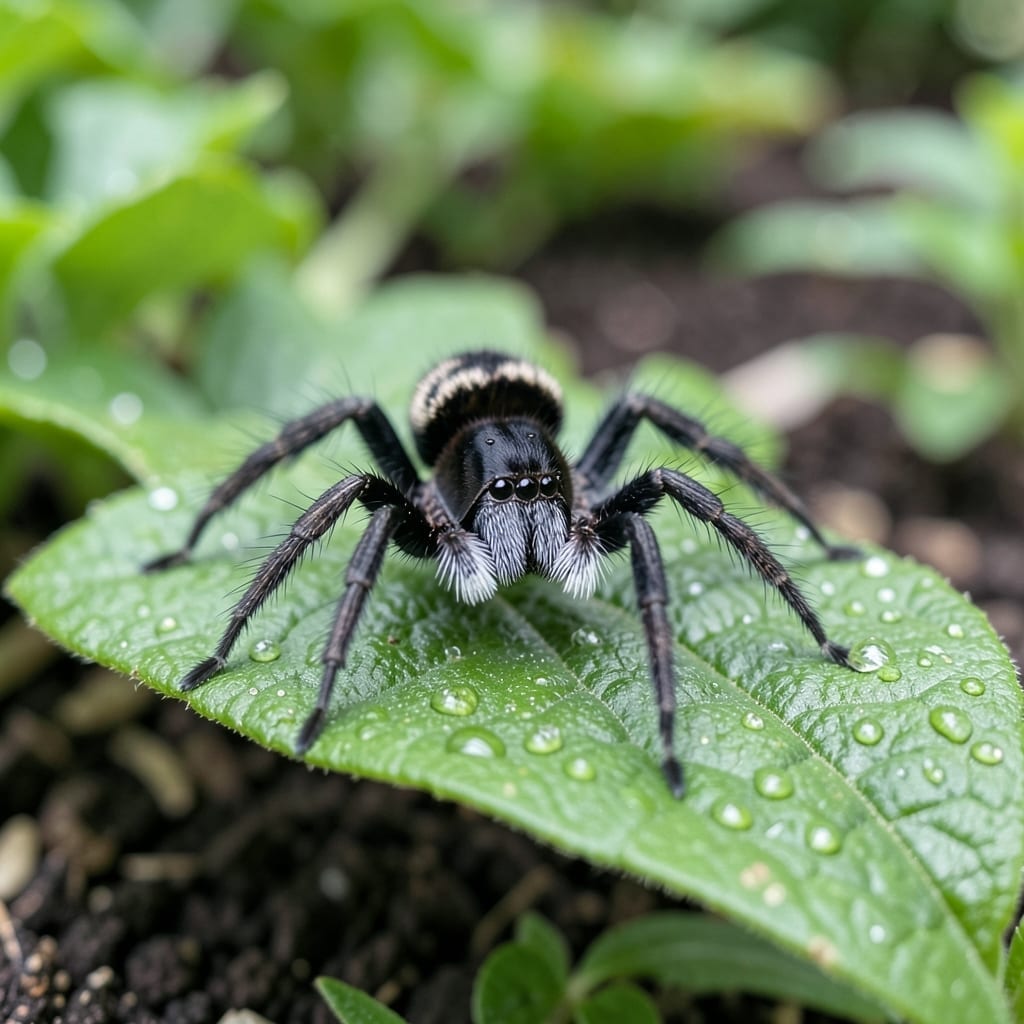
Spiders in your garden aren’t the enemy—they’re your silent allies. I used to reach for the broom until I realized they were eating pests that actually damage my plants.
These eight-legged hunters keep aphids, caterpillars, and beetles in check without chemicals. A single spider can consume 2,000 insects in its lifetime, turning your yard into a self-regulating ecosystem.
If you’d rather not share your space, natural deterrents like peppermint oil or citrus peels work wonders. But consider leaving a few—your tomatoes and roses will thank you.
Works for flower beds, vegetable patches, and even potted plants on the patio. Here’s how to strike the right balance.
Spiders thrive in yards for several predictable reasons, most tied to the ecosystem you’ve unintentionally created. Understanding these causes helps you address the root of the issue rather than just the visible webs. Below are the most common triggers for spider infestations in outdoor spaces.
Spiders follow their food. If your yard has an overabundance of insects like mosquitoes, flies, or aphids, spiders will naturally migrate there to feed. Tetragnatha (stretch spiders) and Araneus (orb-weavers) are especially drawn to areas rich in flying insects. Reducing other pest populations through natural predators (like birds or ladybugs) or traps can make your yard less appealing to spiders.
Dense shrubs, tall grass, woodpiles, and leaf litter create ideal shelter for spiders. These areas offer moisture, shade, and protection from predators. Wolf spiders and grass spiders particularly favor such habitats. Regularly trimming plants, removing debris, and storing firewood at least 20 feet from your home can significantly reduce spider-friendly zones.
Spiders seek humid environments to survive. Leaky hoses, poor drainage, or standing water (e.g., in plant saucers or clogged gutters) attract moisture-loving species like cellar spiders (daddy longlegs). Fixing leaks, improving drainage, and using dehumidifiers in nearby sheds can make your yard less hospitable.
Cracks in foundations, gaps under doors, or loose siding provide easy access for spiders to move between your yard and home. House spiders and hobo spiders often exploit these entryways. Sealing gaps with caulk or weatherstripping and installing tight-fitting screens on windows can block their path.
Tackling spiders in your yard starts with addressing the root causes. Below are practical solutions for common issues, paired with prevention tips to keep your outdoor space spider-free.
Spiders love dark, undisturbed areas like piles of leaves, wood, or garden debris. Clear these spots weekly to remove their hiding places. Store firewood at least 20 feet from your home and elevate it off the ground. Use sealed bins for outdoor storage to block access.
Prevention tip: 💡 Keep your yard tidy by raking leaves, trimming tall grass, and removing unnecessary items that collect dust or moisture.
Standing water or damp areas attract insects, which in turn draw spiders. Repair leaky hoses, ensure proper drainage in flower beds, and use a dehumidifier in sheds or garages. Consider installing French drains for persistent waterlogging.
Prevention tip: 💡 Water plants early in the day so excess moisture evaporates by evening, reducing nighttime humidity.
Dense shrubs and ivy provide perfect spider habitats. Trim back vegetation touching your house or fence, and space plants at least 12 inches apart to improve airflow. Opt for spider-repelling plants like lavender, mint, or eucalyptus near entry points.
Prevention tip: 💡 Regularly prune trees and bushes to limit web-building opportunities.
Bright white lights attract insects, which lure spiders. Replace outdoor bulbs with yellow sodium vapor lights or motion-activated lighting to reduce bug activity. Keep lights directed away from seating areas.
Prevention tip: 💡 Turn off unnecessary lights at night to minimize insect—and spider—attraction.
Spiders follow their food source. Introduce natural predators like ladybugs or lacewings to control aphids and other pests. Avoid broad-spectrum pesticides, as they kill spider prey and disrupt the ecosystem.
Prevention tip: 💡 Encourage birds by adding a birdbath or feeder; they’ll help keep both insects and spiders in check.
Most are harmless and actually beneficial, preying on garden pests. Only a few species like black widows or brown recluses pose risks.
Use natural deterrents like peppermint oil, citrus peels, or vinegar solutions. Keep the area clean and free of clutter.
A single spider can eat 2,000 insects in its lifetime, including aphids and mosquitoes. They act as free pest control.
Lavender, mint, eucalyptus, and citrus plants are great options. Their strong scents deter spiders while adding beauty.