
Beautiful Plants For Your Interior
Beautiful Plants For Your Interior
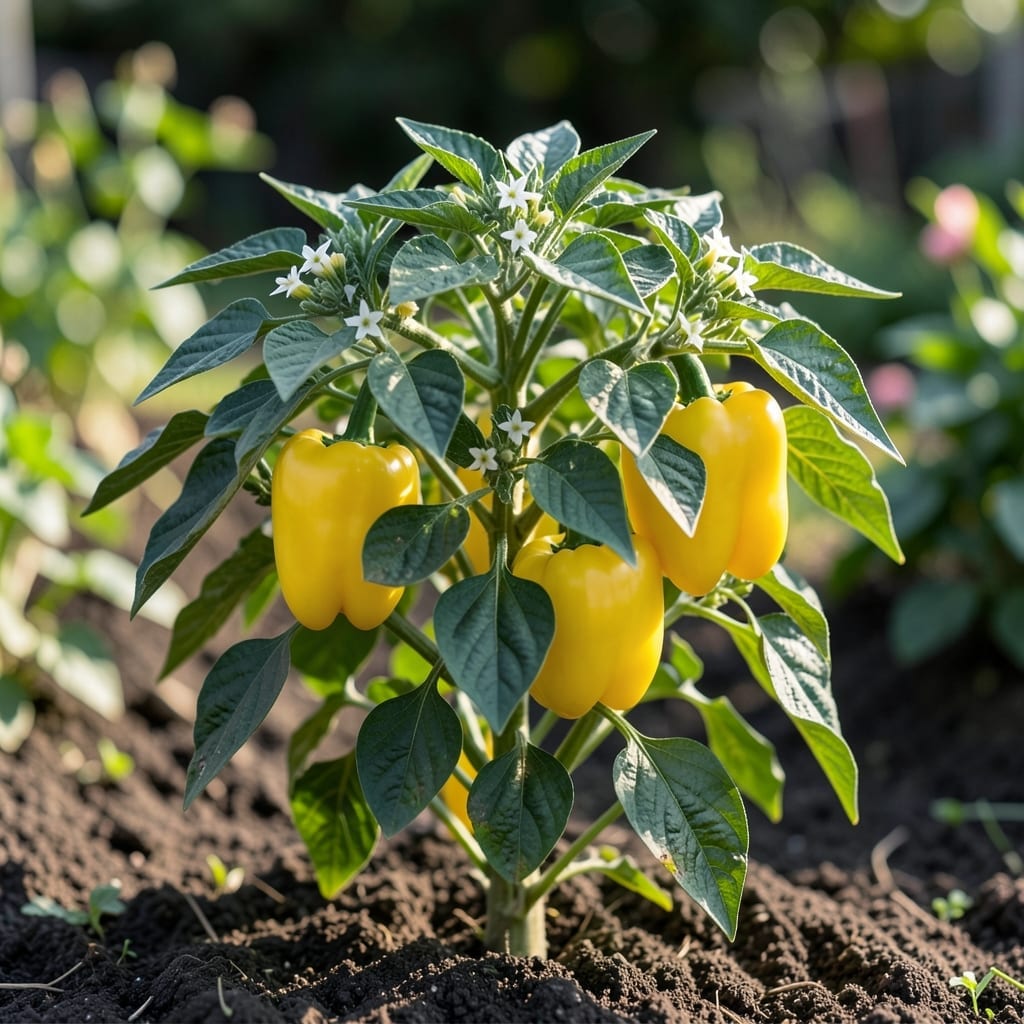
These bright yellow peppers pack serious heat, but they’re surprisingly low-maintenance. I’ve grown them for years, and the secret is giving them what they naturally crave: full sun, well-draining soil, and consistent moisture without waterlogging the roots.
You’ll start seeing fruits in 60-70 days, and with proper care, the plants will keep producing until the first frost. The key is watching for early signs of pests or disease, which can be nipped in the bud with prompt attention. This is one crop that rewards patience with a vibrant, spicy harvest.
📚 In This Guide
This method delivers vibrant, heat-packed peppers every time with proper care and timing.
Begin sowing seeds 8-10 weeks before your last frost date to give plants a head start. Use a seed-starting mix in clean, 2-3 inch deep containers with drainage holes. Plant seeds at a depth of ¼ inch, covering lightly with soil.
Keep the soil consistently moist but not waterlogged. A seedling heat mat maintains optimal germination temperature around 75-85°F. Expect sprouts within 7-14 days—watch for cotyledons breaking through the soil first.
Once seedlings emerge, move them to a full-spectrum grow light positioned 2-4 inches above the plants for 14-16 hours daily. Without sufficient light, they’ll become leggy and weak. Raise the light as they grow to maintain the proper distance.
Maintain daytime temperatures around 70-80°F and nighttime no lower than 60°F. Cold drafts stunt growth, so keep them away from windows on chilly nights. You’ll notice sturdy stems and deep green leaves when light and warmth are right.
Harden off seedlings 2 weeks before transplanting by gradually introducing them to outdoor conditions. Start with 1-2 hours in a shaded, sheltered spot and increase exposure daily. This prevents transplant shock.
Choose a sunny location with well-draining soil. Space plants 18-24 inches apart to allow for air circulation and growth. Transplant on an overcast day or in the evening to reduce stress, and water deeply at the base immediately after planting.
Water deeply 1-2 times per week, ensuring the soil stays evenly moist but not soggy. Inconsistent moisture causes blossom end rot or bitter flavors. Mulch around the base with 2-3 inches of organic mulch to retain moisture and suppress weeds.
Fertilize with a balanced, water-soluble formula every 2-3 weeks once flowers appear. Yellow peppers are heavy feeders—watch for leaf yellowing, which signals nutrient deficiency. Reduce watering slightly as fruits mature to intensify spiciness.
Pick peppers when they reach full bright yellow color and feel firm to the touch, typically 70-80 days after transplanting. Use clean, sharp scissors to avoid damaging the plant, cutting just above the calyx.
Harvest regularly to encourage continued production. If left on the plant too long, peppers may turn orange or red and lose some heat. Store freshly picked peppers in the refrigerator for up to 10 days, or dry them for long-term spice preservation.
Small adjustments in your approach can mean the difference between a lackluster harvest and vibrant, heat-packed peppers.
Germination Optimization: In Step 1, maintaining that 75-85°F soil temperature with a heat mat is non-negotiable. I learned the hard way that temperatures below 75°F significantly delay sprouting beyond the 7-14 days window. The seedling heat mat creates consistent warmth that mimics ideal spring conditions.
Light Distance Discipline: For Step 2, that 2-4 inch gap between your grow light and seedlings isn’t arbitrary. Keep it too far and you’ll get leggy, weak plants. Too close and you risk burning the delicate leaves. Adjust the light upward daily as your seedlings grow to maintain this critical distance.
Hardening Off Precision: The 2 weeks of hardening off in Step 3 isn’t just a suggestion—it’s your plants’ boot camp. Start with exactly 1-2 hours in a shaded spot, then gradually increase exposure. Skipping this or rushing the process almost always results in transplant shock that can set your plants back by weeks.
Moisture Consistency: In Step 4, the 1-2 times per week watering schedule works because it encourages deep root growth. The key is that “evenly moist” sweet spot—dry enough that the top inch of soil feels slightly dry to the touch, but never so dry that the soil pulls away from the container edges.
Spiciness in yellow peppers often comes from capsaicin, influenced by genetics, growing conditions, and stress. Hotter climates or inconsistent watering can boost heat levels.
To mellow the spice, remove the seeds and white membranes, as they hold most capsaicin. Soaking sliced peppers in milk or vinegar for 10-15 minutes also helps.
Pick them when fully ripe (bright yellow) for peak flavor and heat. Most varieties mature in 70-85 days, but check seed packets for specifics.
Yes! For milder dishes, swap with bell peppers or banana peppers. For similar heat, use jalapeños or serranos, adjusting quantities to taste.
Low capsaicin levels may result from cool temperatures, overwatering, or a naturally mild variety. Ensure warm soil and consistent care for hotter peppers.