
Beautiful Plants For Your Interior
Beautiful Plants For Your Interior
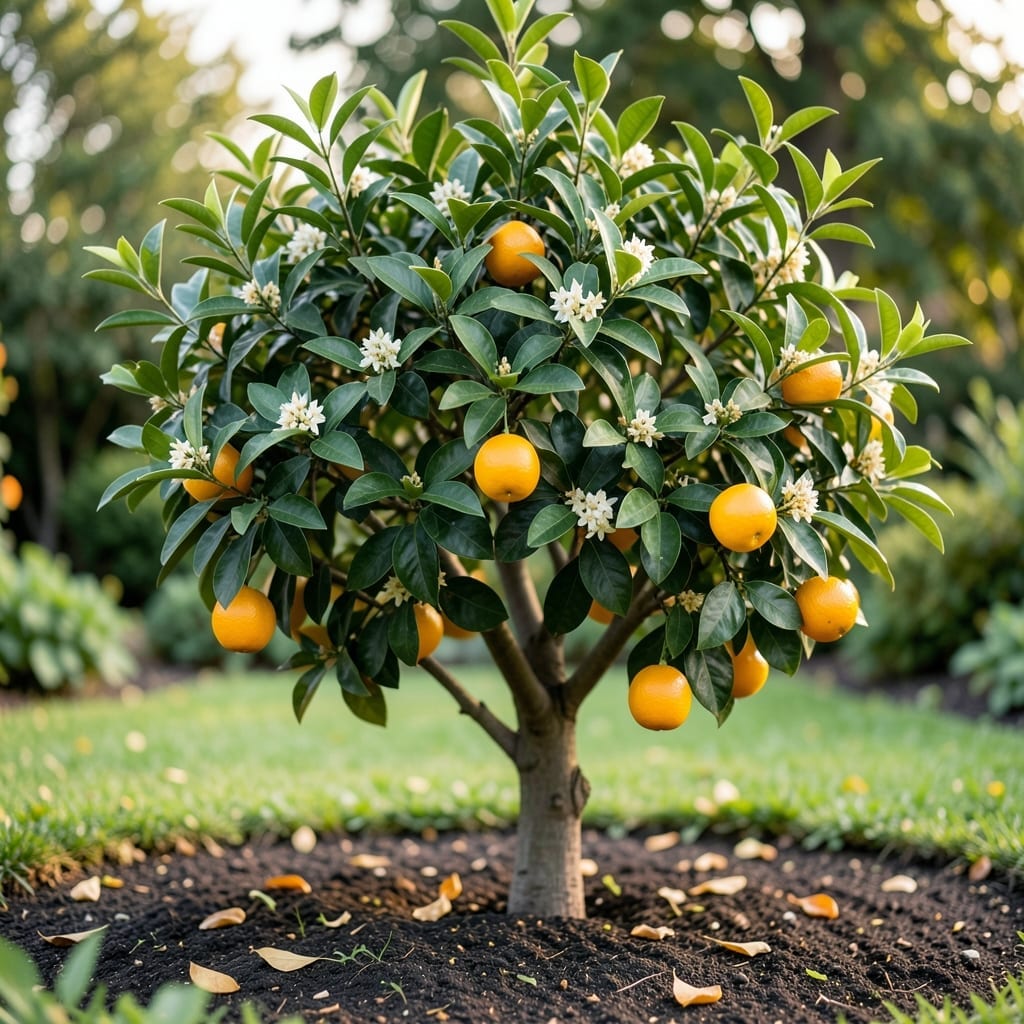
Yellowing or spotted leaves on your sour orange tree signal something’s off. I’ve battled this myself and learned that early diagnosis saves the tree—and your harvest.
Most often, it’s a nutrient imbalance, water stress, or sneaky pests. Iron deficiency shows as yellow leaves with green veins, while overwatering causes yellowing with soggy soil. Check the undersides for tiny invaders too.
Once you pinpoint the issue, the fix is usually straightforward. A soil test, adjusted watering schedule, or targeted spray can restore that vibrant green within weeks.
This works for potted or in-ground trees. The key is acting fast before the problem spreads.
Sour orange leaves often signal underlying issues in your citrus tree’s health. Here are the most common causes, explained with actionable insights:
Nitrogen, magnesium, or iron shortages can turn leaves yellow or pale, reducing their ability to photosynthesize efficiently. Nitrogen deficiency often causes uniform yellowing, while magnesium lack leads to interveinal chlorosis (yellowing between veins). Test your soil with a pH kit—sour oranges thrive in 6.0–7.0 pH. Amend with compost or a citrus-specific fertilizer to restore balance.
Root rot from excessive moisture or compacted soil suffocates roots, blocking nutrient uptake. Signs include wilting leaves despite wet soil and a foul odor from the base. Ensure pots have drainage holes, and use well-draining soil mixes with perlite or sand. Water only when the top 1–2 inches of soil feel dry.
Spider mites, aphids, or citrus leaf miners sap nutrients, causing stippled, curled, or distorted leaves. Inspect undersides for webbing or tiny insects. Treat with neem oil or insecticidal soap, applying in the early morning or late evening to avoid leaf burn.
Extreme heat, cold drafts, or sudden light changes can shock the tree. Sour oranges prefer full sun (6–8 hours daily) but may scorch in intense afternoon heat. Acclimate indoor plants gradually to outdoor conditions, and use shade cloth if temperatures exceed 90°F (32°C).
If your citrus tree’s leaves are losing their luster, these targeted fixes will help restore their health and vibrancy.
Yellow leaves often signal a nitrogen deficiency. Fix it by applying a balanced citrus fertilizer (10-10-10) every 4-6 weeks during the growing season. Work it into the top inch of soil and water thoroughly. For a quick pick-me-up, use a foliar spray of liquid seaweed extract.
Prevention tip: 💡 Test your soil annually to catch deficiencies early. Mulch with compost to slowly release nutrients.
Spider mites, aphids, or scale insects can cause curling or speckled leaves. Treat infestations with a spray of neem oil (1 tbsp per gallon of water) or insecticidal soap, focusing on the undersides of leaves. Repeat every 5-7 days until pests are gone.
Prevention tip: ✨ Encourage beneficial insects like ladybugs by planting companion flowers (e.g., marigolds). Keep the area free of fallen debris where pests hide.
Overwatering or drought stress both lead to leaf drop. Adjust your routine: Water deeply once a week (twice in extreme heat), letting the top 2 inches of soil dry out between sessions. Ensure your pot or planting area has good drainage to avoid root rot.
Prevention tip: 🌡️ Use a moisture meter to take the guesswork out of watering. Drip irrigation systems deliver consistent hydration without wetting the foliage.
Brown, crispy edges may indicate sunburn, especially in young or recently transplanted trees. Shield leaves with 30-40% shade cloth during peak afternoon hours. Gradually acclimate the tree to full sun over a few weeks.
Prevention tip: 🎯 Plant in a location with morning sun and afternoon shade, or use a light-colored mulch to reflect excess heat.
Use a balanced 10-10-10 citrus fertilizer every 4-6 weeks during growing season. Always water after applying to help nutrients reach roots.
Inspect leaf undersides weekly with a magnifying glass. Look for webbing, tiny dots, or sticky residue. Treat immediately with neem oil if found.
Severely damaged leaves won’t recover, but new growth will be healthy once you fix the issue. Focus on correcting nutrient or water imbalances first.
Use 30-40% shade cloth during peak afternoon heat, especially for young or newly transplanted trees. Gradually reduce shade as the tree adapts.