
Beautiful Plants For Your Interior
Beautiful Plants For Your Interior
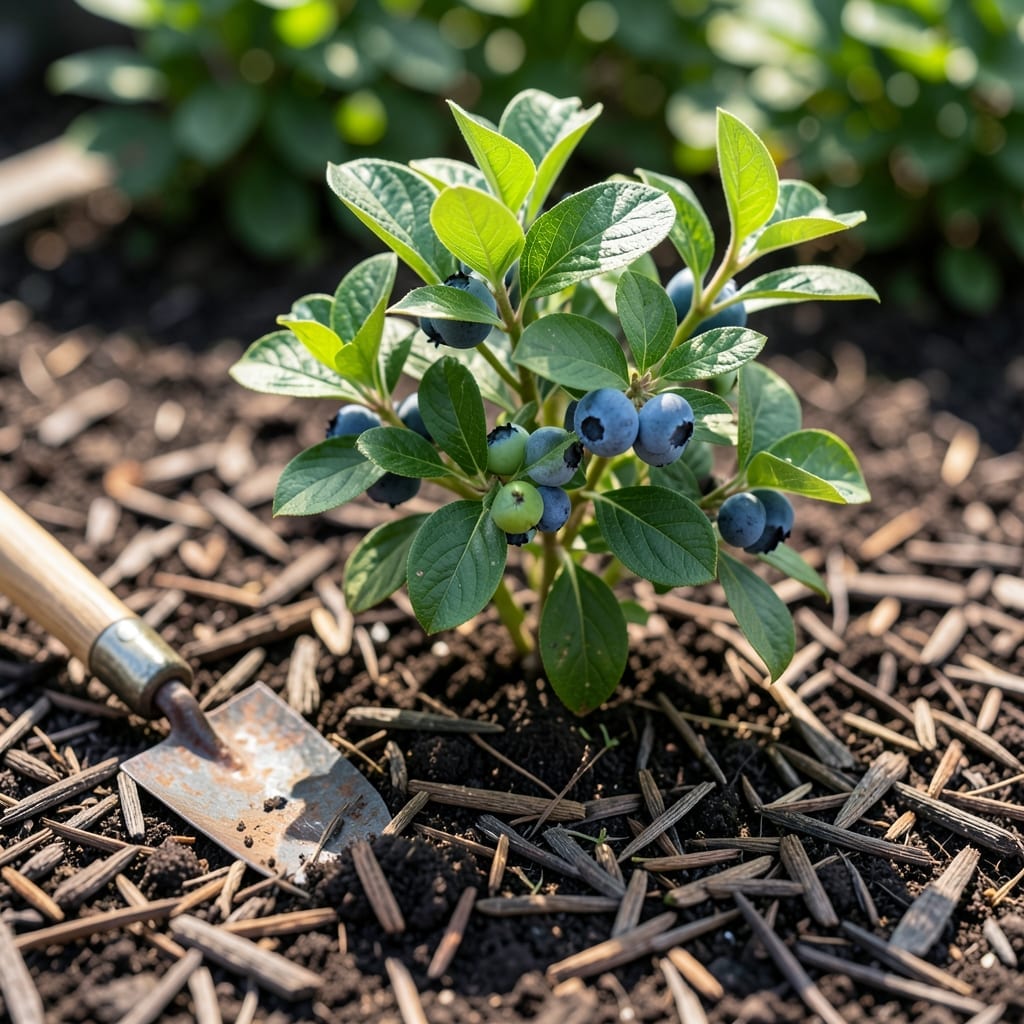
The secret to plump, sweet 🍓 berries lies beneath the surface—literally. The right soil mix can make or break your harvest, turning lackluster plants into thriving, fruit-laden bushes.
I’ve seen countless gardeners struggle with weak, sour berries simply because their soil wasn’t up to the task. The difference between a mediocre crop and an abundant one often comes down to just a few key adjustments.
Whether you’re growing blueberries, strawberries, or raspberries, understanding your soil’s role is the first step to success. It’s not just about dirt—it’s about creating the perfect environment for your plants to flourish.
Let me walk you through exactly what your berry plants need to produce their best yield yet. The results might surprise you.
If you want juicy, flavorful berries, the first thing to check is your soil’s pH. Most berry plants, especially blueberries and raspberries, thrive in acidic conditions between 4.5 and 5.5 pH. This isn’t just preference—it’s necessity.
At this pH range, essential nutrients like iron and manganese become more available to the roots. Without it, plants struggle to absorb what they need, leading to yellow leaves and stunted growth. I’ve seen it firsthand in my own garden.
Take blueberries as an example. Their roots are adapted to highly acidic environments, and they’ll fail to thrive in neutral or alkaline soil. You’ll notice chlorosis—yellowing between leaf veins—if the pH climbs too high.
Strawberries are slightly more forgiving, preferring a mildly acidic range, but they still benefit from a pH below 6.5. Raspberries share this preference, though they can tolerate a bit more alkalinity than blueberries.
The science is clear: acidity unlocks nutrients. When soil pH is too high, iron and manganese become insoluble, starving your plants. This is why I always test my soil before planting berries—it’s a game-changer.
A simple pH test kit from your local garden center can save you months of frustration. If your soil isn’t acidic enough, amendments like sulfur or peat moss can help lower the pH naturally.
Don’t overlook organic matter either. Compost and well-rotted manure improve soil structure while gently acidifying it over time. I mix in pine bark fines for my blueberries—it’s a double win for acidity and drainage.
Watch for slow growth or poor fruiting. These are classic signs your berries might be struggling with pH imbalance. A quick soil test can confirm whether you need to adjust your approach.
Remember, consistency is key. Berry plants don’t like sudden pH swings, so make adjustments gradually over weeks, not days 🌱
Creating the perfect soil mix for your berries doesn’t have to be complicated. I’ve tested various blends and found that tailoring the mix to each berry type makes all the difference in flavor and yield.
For blueberries, a peat moss-based mix with pine bark fines and perlite ensures the acidic environment they crave. This combination mimics their natural forest floor habitat.
For strawberries, I recommend a compost-enriched soil with added sand. This mix provides the nutrient density strawberries love while preventing waterlogging, which can rot their shallow roots.
Raspberries thrive in a sandy loam blend. The key is ensuring the soil drains well but still holds enough moisture to support their vigorous canes. I always add a handful of well-rotted manure for extra nutrients.
If you’re planting in containers, remember that potted soils dry out faster. I mix in coconut coir or extra compost to help retain moisture without sacrificing drainage.
No matter the berry type, always test your soil’s pH level before planting. A simple test kit can save you from costly mistakes and ensure your plants get the best start possible.
With these mixes, you’ll see healthier plants and sweeter berries in no time 🌱