
Beautiful Plants For Your Interior
Beautiful Plants For Your Interior
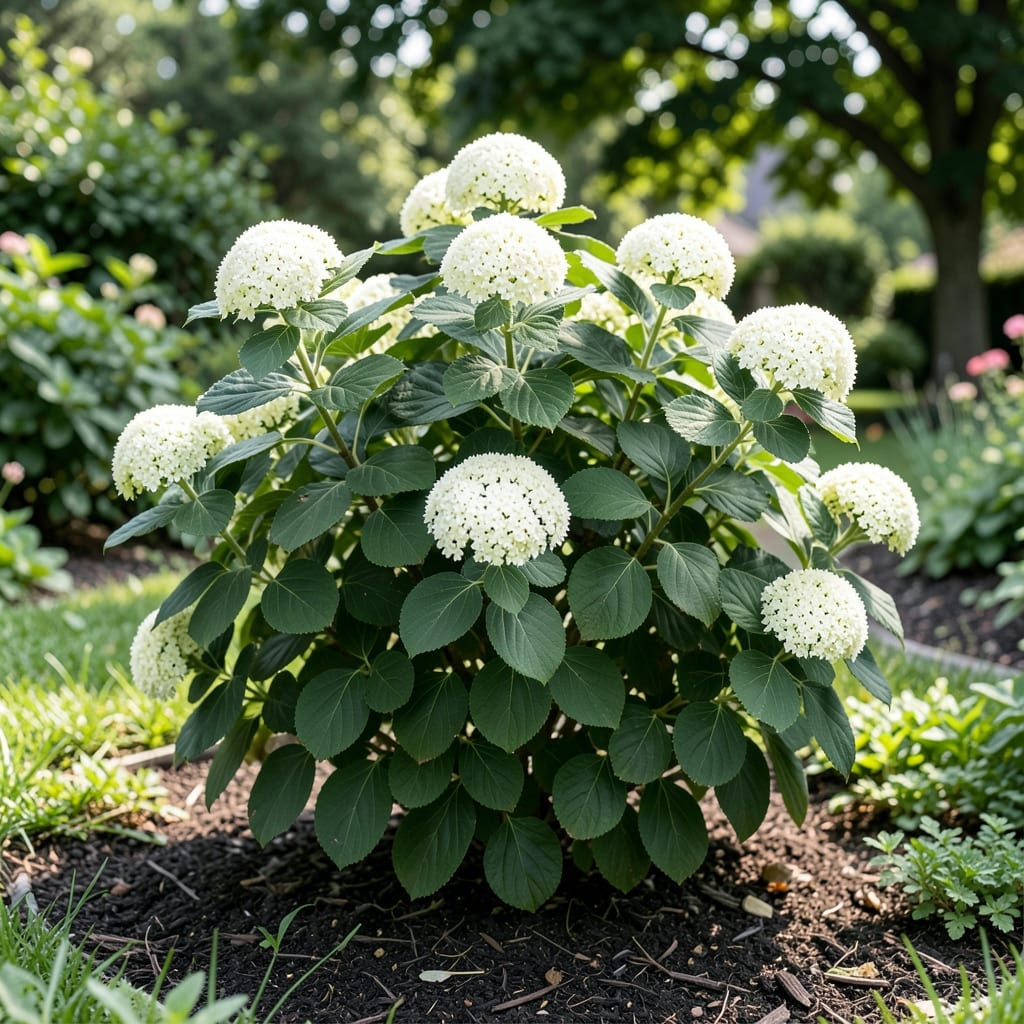
Those clusters of vibrant green leaves on your snowball tree tell a story about its health. I’ve learned that yellowing or spotted foliage often signals stress before it spreads to the rest of the plant.
With the right organic care—proper watering, mulching, and seasonal pruning—you can keep those leaves lush and the blooms abundant. This tree rewards attention with its striking spring display and autumn color.
📚 In This Guide
Here’s how to assess leaf health and implement organic solutions for vibrant foliage.
Start by inspecting the upper and lower surfaces of the leaves for color variations. Healthy snowball tree leaves should be a deep, uniform green. Yellowing between veins often signals iron deficiency, while brown edges typically indicate underwatering or salt buildup in the soil.
Check for texture changes too—crispy or brittle leaves suggest moisture stress, whereas soft, wilted foliage may point to overwatering. I always compare older leaves to new growth, as the tree often shows stress first in its mature foliage before affecting fresh shoots.
Look for powdery mildew, which appears as a white, powdery coating on the leaf surface, often in high humidity conditions. Black spots or lesions usually indicate fungal infections like anthracnose, which thrive in cool, wet weather.
Pests like aphids and spider mites leave distinctive signs: aphids create sticky honeydew, while mites cause stippling or webbing on the undersides. I’ve found that catching these early—before they spread to 50% of the foliage—makes treatment far more effective.
For nutritional deficiencies, work 1-2 inches of compost into the soil around the base to restore micronutrients. A foliar spray of liquid seaweed at 1 tablespoon per gallon of water can quickly address minor deficiencies.
Combat fungal issues with a spray of 1 teaspoon baking soda per quart of water, adding a drop of dish soap for adhesion. Apply in the early morning so leaves dry quickly, reducing the risk of further infection. For pests, a strong blast of water or insecticidal soap often dislodges them without harsh chemicals.
Ensure the tree receives full sun to partial shade and has well-draining soil to prevent water stress. Mulch with 2-3 inches of organic matter to retain moisture and regulate soil temperature, but keep it 6 inches away from the trunk to avoid rot.
Water deeply once or twice weekly, depending on rainfall, to encourage deep root growth. I’ve noticed that trees with consistent moisture levels show fewer leaf issues overall. Prune any diseased or damaged foliage immediately to prevent the spread of problems to healthy growth.
These insights will help you identify issues early and apply remedies effectively.
Diagnosis Tip: In Step 1, when examining leaf color and texture, pay special attention to the undersides of leaves where early pest activity like spider mites often appears first. The contrast between healthy deep green and stressed foliage is most obvious in morning light.
Treatment Timing: For Step 3’s organic remedies, apply the baking soda spray in the early morning as directed, but avoid days when rain is forecast within 6 hours. The solution needs time to work before being washed away, and wet leaves can spread fungal spores.
Prevention Strategy: In Step 4’s maintenance routine, that 6-inch gap between mulch and trunk is non-negotiable. I learned this the hard way after losing a young tree to trunk rot—piled-up mulch creates perfect conditions for moisture to accumulate against the bark.
Monitoring Technique: When checking for the 50% foliage threshold mentioned in Step 2, use your phone to take weekly photos from the same angle. Comparing these over time makes it easier to spot gradual changes that might indicate spreading pest or disease problems.
Brown leaves often signal fungal diseases like leaf spot or environmental stress from drought or poor drainage. Check soil moisture and remove infected leaves to prevent spread.
Snowball viburnum leaves typically turn purple, red, or bronze in fall (October–November). If color changes earlier, it may indicate stress or disease.
Mix 1 tsp baking soda + 1 quart water + a drop of dish soap, and spray affected leaves weekly. Neem oil also works as a fungal deterrent.
Yes, fungicides like copper-based sprays can help, but try organic options first. Always follow label instructions to avoid harming the tree.
Curling leaves often mean underwatering, pests (like aphids), or herbicide drift. Inspect leaves for bugs and ensure consistent watering.