
Beautiful Plants For Your Interior
Beautiful Plants For Your Interior
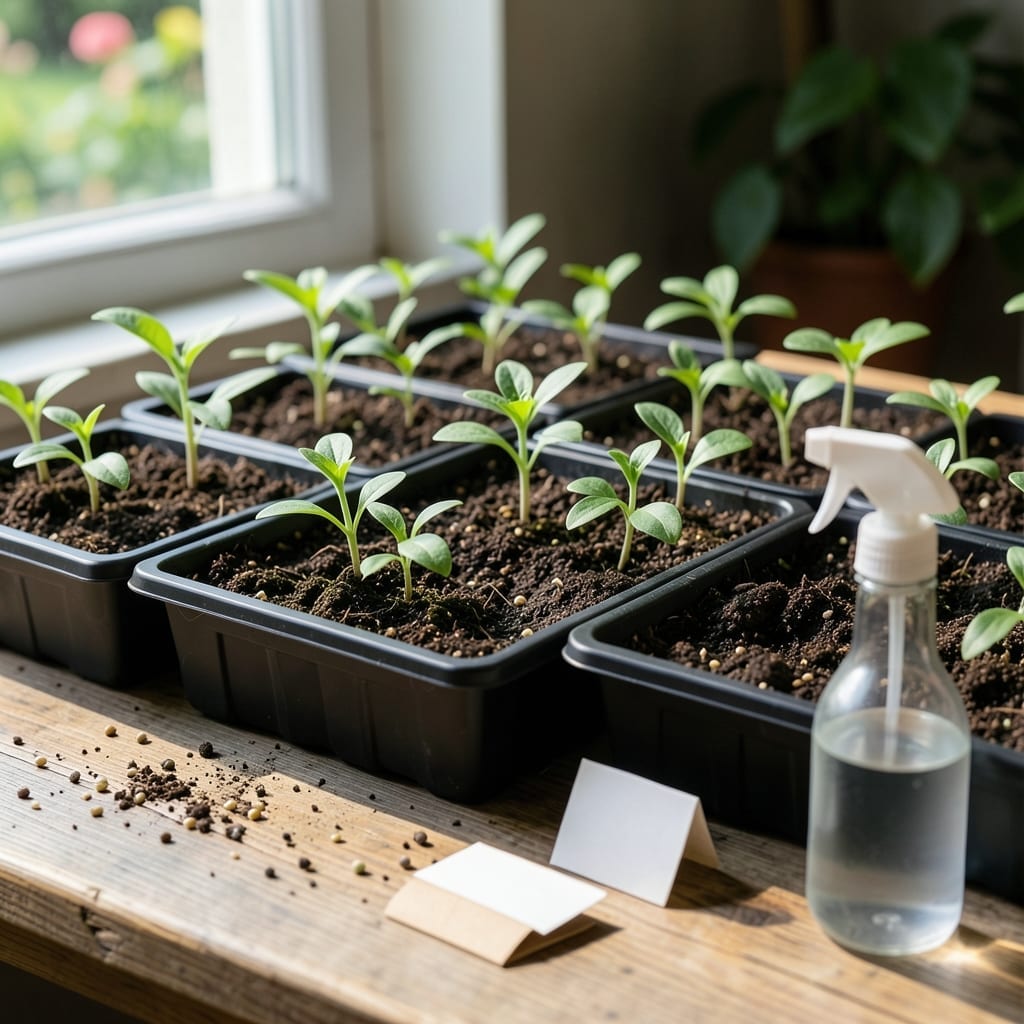
I still remember the first time I planted Snapdragon seeds and stared at the soil for days, wondering when I’d see those first tiny green shoots. The waiting game is real, but knowing the timeline makes it so much easier to plan.
Getting those 🌸 Snapdragon seeds to sprout isn’t just about patience—it’s about creating the perfect conditions. Temperature, moisture, and light all play their part in that magical moment when life emerges from the soil.
What if I told you that with the right approach, you could see sprouts in as little as 10-15 days? That’s not just wishful thinking—it’s completely achievable with a few key techniques.
Let me walk you through everything you need to know to turn those tiny seeds into vibrant blooms. The journey from seed to sprout is closer than you might think.
If you’ve ever waited impatiently for snapdragon seeds to sprout, you know the 10-15 day window can feel like an eternity. I’ve learned that temperature is the biggest game-changer for speeding up the process.
For the fastest results, aim for a consistent 70-75°F soil temperature. Cooler conditions slow germination, while anything above 80°F can stress the seeds. Moisture is equally critical—keep soil evenly damp but never soggy.
| Factor | Ideal Condition | Impact on Germination |
|---|---|---|
| Temperature | 70-75°F | Speeds up to 7-10 days |
| Moisture | Evenly damp soil | Prevents drying or rot |
| Light | Darkness until sprouting | Encourages stronger growth |
| Seed Depth | 1/8 inch | Avoids suffocation or exposure |
Light exposure matters too, but snapdragon seeds need darkness to germinate. I cover my trays with a humidity dome and place them in a warm, dark spot until the first sprouts appear.
Once sprouts emerge, move them to bright, indirect light. I use a grow light set to 12-14 hours daily to prevent leggy seedlings. Thin them when they’re 2-3 inches tall to avoid overcrowding.
Seed quality plays a surprisingly big role. I always check the pack date on my seed packets—older seeds take longer to germinate. Fresh seeds from a reputable supplier give me the best results.
If your soil is too cold, a heat mat can help maintain that ideal 70-75°F range. I’ve found this cuts germination time by 2-3 days compared to room temperature alone.
Another pro tip: pre-soak seeds for 1-2 hours before planting. This softens the seed coat and can shave a day or two off the germination period. Just be sure to plant them immediately after soaking.
Avoid overwatering—soggy soil leads to rot and slows germination. I use a spray bottle to mist the soil lightly, keeping it damp but not drenched. A well-draining seed mix is also essential.
Finally, patience is key. Even under perfect conditions, snapdragons take 10-15 days to germinate. If it’s been 2 weeks with no sprouts, check your temperature and moisture levels first.
With these factors dialed in, you’ll see those first green shoots right on schedule 🌱
I’ve found that snapdragon germination time can be optimized with a few simple tricks. The standard 10-15 day window can be shortened by creating ideal conditions for your seeds to thrive.
Start by pre-soaking seeds for 12-24 hours to soften the outer shell. This simple step can reduce germination time by 2-3 days in my experience.
I always recommend using seed trays with humidity domes to maintain consistent moisture. This creates a mini greenhouse effect that speeds up germination significantly.
Remember that light exposure is crucial but timing matters. Keep trays in bright indirect light until sprouts emerge, then move to 12-14 hours of direct light daily.
One common mistake I see is overwatering. Snapdragon seeds need consistent moisture but can rot if the soil is too wet. Aim for damp not soggy conditions.
Finally, once sprouts appear, remove the humidity dome and begin hardening off seedlings before transplanting. This gradual introduction to outdoor conditions is critical for success 🌱