
Beautiful Plants For Your Interior
Beautiful Plants For Your Interior
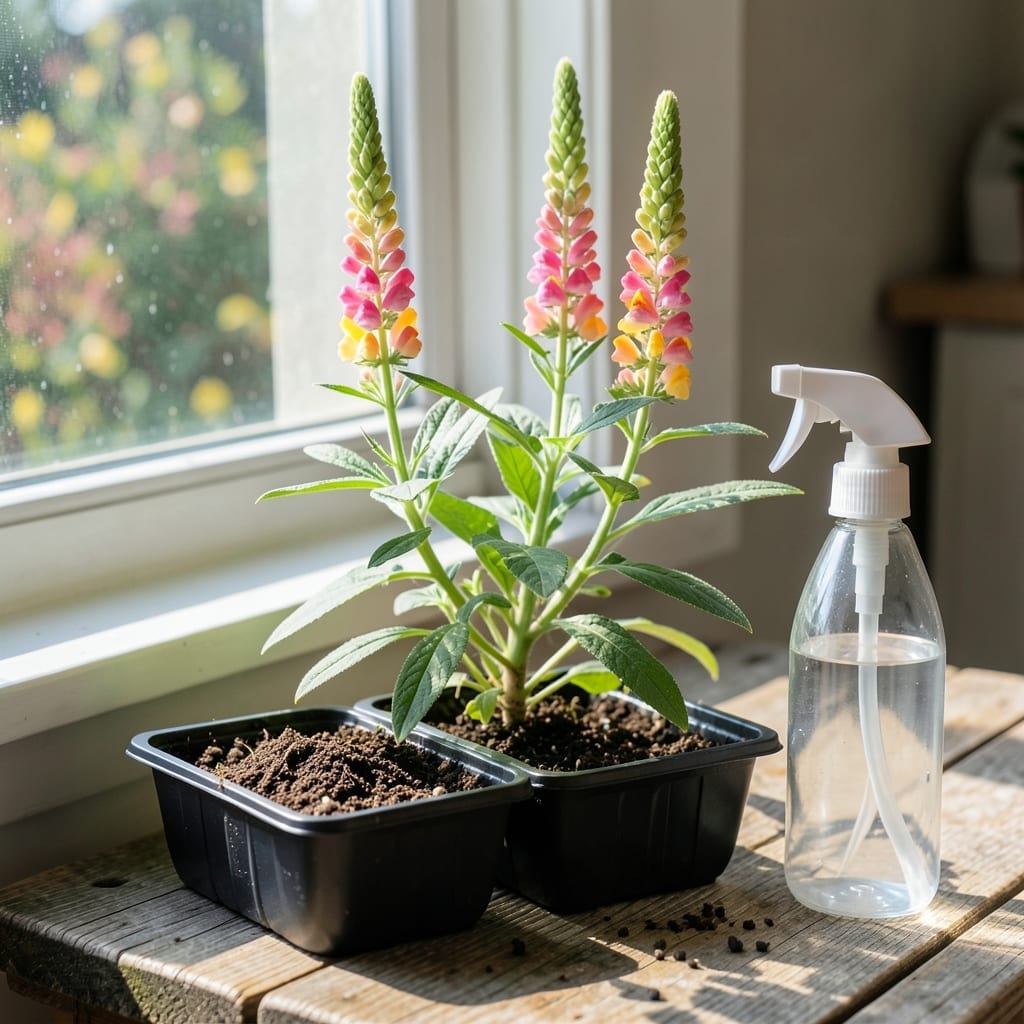
Snapdragons add vibrant color to any garden, but their germination process can be tricky—especially when it comes to light exposure.
I’ve found that most important detail is understanding how light affects their seeds. While some plants prefer darkness, the 🌸 Snapdragon has its own requirements for successful sprouting.
Discover the key conditions that will help you grow these beautiful flowers from seed, and why getting the light right makes all the difference.


If you’re wondering whether snapdragon seeds need light to germinate, the answer is a clear yes. These tiny seeds are light-dependent germinators, meaning they require exposure to light to trigger the sprouting process properly.
Unlike some seeds that prefer darkness, snapdragons (Antirrhinum) thrive when sown on the soil surface. Covering them with soil can actually prevent germination, as it blocks the light they need to activate growth.
🌱 Key Takeaway
Snapdragon seeds require light to germinate. Press them gently into moist soil but do not cover—this ensures they receive the light exposure they need to sprout successfully.
I’ve found that gentle pressure is enough to ensure good soil contact. The seeds are so small that even a light dusting of soil can be too much, so just press them in and leave them exposed.
For best results, place your seed trays in a bright location but out of direct sunlight. A south-facing windowsill or under grow lights works perfectly, as it provides consistent, indirect light without the risk of drying out the soil.
Keep the soil consistently moist but not waterlogged. Using a spray bottle can help maintain moisture without disturbing the seeds. This balance is crucial for successful snapdragon germination.
Temperature also plays a role. Snapdragons prefer 65-75°F (18-24°C) for germination, so if you’re starting them indoors, a warm spot like the top of the fridge can help speed up the process.
You’ll typically see sprouts in 10-21 days if conditions are right. If germination is slow, check that the seeds are getting enough light and that the soil isn’t too dry or too wet.
Once the seedlings emerge, they’ll need plenty of light to grow strong. If you’re growing them indoors, consider using a grow light to ensure they don’t become leggy as they reach for the light.
Snapdragons are a rewarding plant to grow from seed, and with the right light conditions, you’ll be enjoying their vibrant blooms in no time. Just remember: light is essential from the very start.
This method ensures healthy, strong seedlings ready for transplanting once the weather warms up ☀️
For snapdragon seeds to germinate successfully, you need more than just light. I’ve learned that temperature and moisture are equally critical for strong, healthy sprouts.
The ideal soil temperature for germination is 65-75°F (18-24°C). If your home is cooler, a seedling heat mat can help maintain consistent warmth.
| Requirement | Specification |
|---|---|
| Light | Bright, indirect light |
| Temperature | 65-75°F (18-24°C) |
| Moisture | Consistently moist soil |
| Soil Type | Well-draining seed mix |
| Depth | Press into soil, do not cover |
Use a well-draining seed mix to prevent waterlogging, which can rot the seeds. I recommend a blend of peat moss and perlite for best results.
Keep the soil consistently moist but not soggy. A spray bottle is perfect for gentle watering without displacing the tiny seeds.
Humidity helps too. Covering trays with plastic wrap or a humidity dome creates a mini greenhouse effect, speeding up germination while retaining moisture.
Avoid direct sunlight, which can dry out the soil quickly. Instead, opt for bright, indirect light from a south-facing window or grow lights for 12-16 hours daily.
With these conditions, you’ll see snapdragon seedlings in 10-21 days. Once they sprout, remove the cover and ensure they get plenty of light to grow strong and sturdy 🌱