
Beautiful Plants For Your Interior
Beautiful Plants For Your Interior
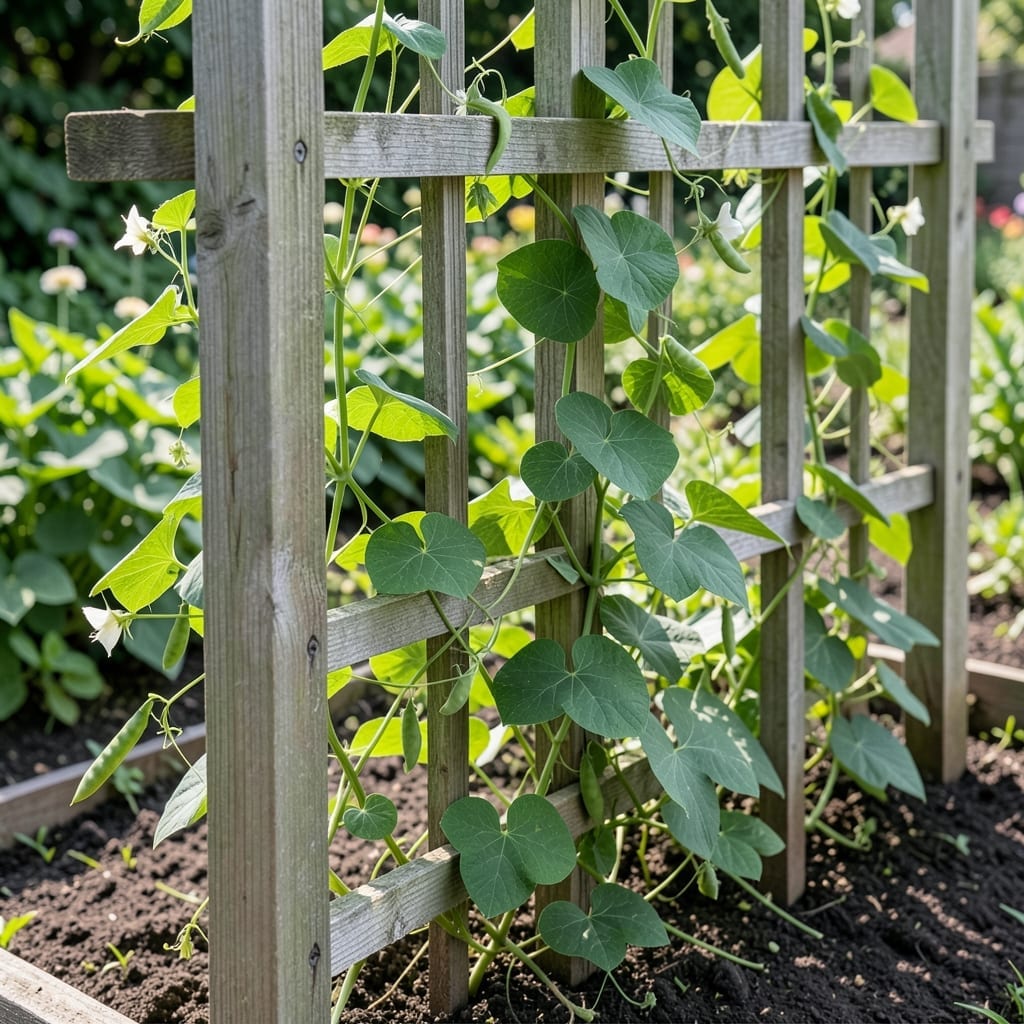
Snap pea plants reward you fast—30 days from seed to first harvest in ideal conditions. I learned the hard way that healthy leaves mean healthy pods, and the difference between struggling vines and prolific producers often comes down to simple care.
You’ll spot the first tender shoots within 10 days, and with consistent watering and support, those vines will climb aggressively. The leaves tell you everything: bright green means you’re on track, while yellowing signals it’s time to adjust your approach.
📚 In This Guide
Here’s the efficient method I use to gather tender leaves without harming the vines.
Focus on the uppermost leaves and tendrils first, as these are the youngest and most tender. I look for leaves that are fully unfurled but still bright green and slightly glossy—these are at peak flavor and texture. Avoid the older, tougher leaves at the base of the plant, which can be fibrous.
Check the stem where the leaf attaches. If it snaps cleanly with minimal pressure, it’s ready. If it bends or resists, the leaf isn’t mature enough. This simple test ensures you’re harvesting at the right stage for the best taste and minimal plant stress.
Grasp the leaf stem between your thumb and forefinger near the main vine. Pinch firmly but gently, then pull downward with a slight twist. This method removes the leaf cleanly without tearing the vine or adjacent foliage.
I’ve found that harvesting in the morning, when leaves are plump with moisture, makes them easier to detach. If the leaf resists, don’t force it—try again in a day or two. Forcing the removal can damage the plant and invite disease.
Pick leaves every 3-4 days during active growth periods. Regular harvesting stimulates the plant to produce more foliage, extending your harvest window. If you wait too long, the leaves become tough and the plant may shift energy toward pod production instead.
Watch for new growth at the vine tips—this is your signal the plant is still actively producing. As long as you see fresh tendrils and leaves emerging, you can continue harvesting. This approach keeps the plant productive and compact.
For the sweetest, most tender leaves, harvest in the early morning after the dew has dried but before the heat of the day sets in. The leaves are crispest at this time, with the highest sugar content.
If you must harvest later in the day, choose a cloudy afternoon. Leaves picked during peak sun can wilt quickly and lose some of their delicate flavor. This timing ensures the best quality for immediate use or storage.
After harvesting, rinse the leaves briefly if needed, but avoid soaking them. Excess moisture speeds up spoilage, so pat them dry with a clean towel if they’re damp. Store unwashed leaves in a loosely sealed container in the refrigerator for up to 5 days.
These practical insights will help you harvest snap pea leaves like a pro while keeping your plants healthy.
Leaf Selection Secret: Focus on those uppermost leaves and tendrils first, as they’re the most tender. The snap test in Step 1 is your best indicator—if the stem breaks cleanly with minimal pressure, it’s ready. I’ve found that leaves with a slight glossiness always deliver the best flavor and texture.
Technique That Changed Everything: That pinch-and-pull method in Step 2 works best when the leaves are moist. Harvest in the early morning as suggested, when the leaves are plump with dew. If a leaf resists, don’t force it—wait a day or two. Forcing removal can stress the plant and reduce future yields.
Timing for Maximum Yield: The 3-4 day harvesting cycle mentioned in Step 3 is perfect for encouraging continuous growth. Watch for new tendrils at the vine tips—this is your signal the plant is still actively producing. I set a calendar reminder to check my plants every third day during peak growing season.
Yes! Snap pea leaves are edible and delicious. They have a mild, pea-like flavor and can be used raw in salads or cooked like spinach. Just ensure they’re young and tender for the best texture.
Yellowing leaves often signal overwatering, nutrient deficiencies (like nitrogen), or pests. Check soil moisture and fertility first. If the issue persists, inspect for aphids or fungal diseases.
Harvest leaves when they’re young and tender, usually 4-6 weeks after planting. Avoid picking too many from one plant to keep it healthy and productive.
Use them in stir-fries, soups, or pesto for a fresh twist. They’re also great blanched and frozen for later. Compost any excess you can’t use to enrich your garden soil.