
Beautiful Plants For Your Interior
Beautiful Plants For Your Interior
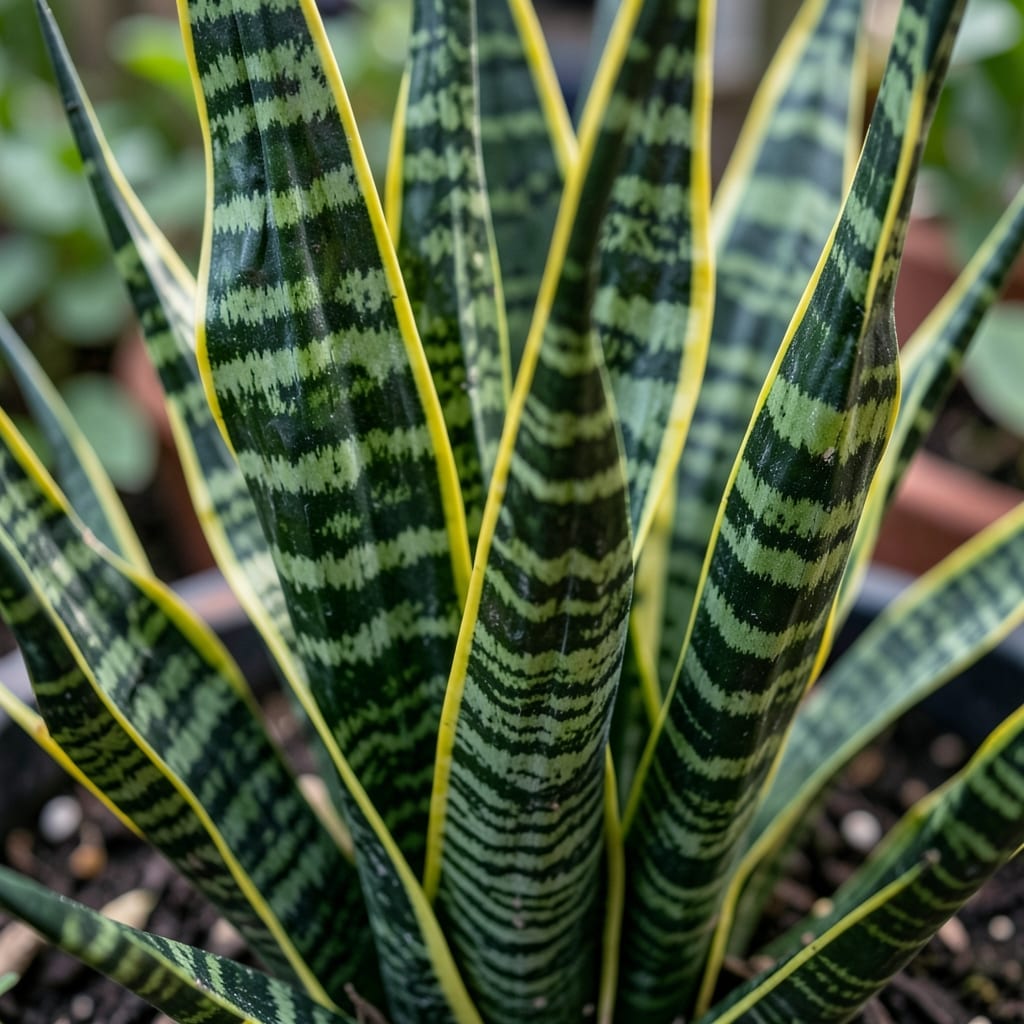
Wrinkled snake plant leaves always signal distress. I’ve rescued dozens from this exact issue, and the fix is simpler than you’d think.
Usually it’s water—either too little or too much. Underwatered leaves fold inward, while overwatered ones turn mushy. Then there’s root rot, which sneaks up when soil stays soggy for weeks.
With a few adjustments to your routine, those leaves plump back up within 2-3 weeks. The key is checking the roots and soil first, not just the leaves.
Works for neglected plants, new cuttings, or long-time favorites. Here’s how to diagnose and revive them.
Wrinkled leaves on your snake plant are a sign of stress, and the causes are often easy to pinpoint. Here’s a breakdown of the most common triggers and the science behind them:
Snake plants (Sansevieria) store water in their thick, fleshy leaves. Underwatering causes the cells to lose turgor pressure, leading to shriveled, wrinkled foliage as the plant conserves moisture. Conversely, overwatering suffocates the roots, preventing them from absorbing water and nutrients, which also results in dehydration-like symptoms. The roots rot, and the leaves can’t maintain their structure.
These tropical natives thrive in temperatures between 70–90°F (21–32°C). Exposure to cold drafts (below 50°F/10°C) or sudden temperature swings disrupts cellular function. Cold damage causes the cell walls to break down, while heat stress accelerates water loss through transpiration, both leading to wrinkling.
While snake plants tolerate bright light, direct, harsh sunlight (especially in hot climates) can scorch the leaves. Intensive light increases transpiration rates beyond what the roots can supply, causing dehydration. The outer layers of the leaves may also develop a leathery, wrinkled texture as a protective response.
Compacted or water-retentive soil (like garden soil) traps moisture around the roots, leading to root rot. Without proper drainage, oxygen can’t reach the roots, impairing their ability to absorb water. Meanwhile, fast-draining mixes (e.g., sandy or cactus soil) may dry out too quickly, starving the plant of consistent hydration.
Don’t let wrinkled leaves spell the end for your snake plant! With a few simple fixes, you can restore its health and vibrancy. Below are targeted solutions for the most common causes, paired with prevention tips to keep your plant thriving long-term.
If dry soil is the culprit, give your snake plant a deep watering until water drains from the bottom. Let the top 1-2 inches of soil dry out before watering again—overdoing it can cause root rot. Prevention tip: Use a moisture meter 🌡️ or your finger to check soil dryness before watering.
For soggy soil, stop watering immediately and let the soil dry completely. If root rot is suspected, trim black or mushy roots with clean shears, repot in fresh, well-draining soil, and use a pot with drainage holes. Prevention tip: Stick to a consistent watering schedule—snake plants prefer less water, not more!
Move your plant away from direct sunlight to a spot with bright, indirect light. If leaves are scorched, trim the worst damage to redirect energy to healthy growth. Prevention tip: Rotate your snake plant occasionally 🔄 for even light exposure.
Relocate your plant to a brighter area, but avoid sudden shifts to direct sun. A grow light can help in low-light spaces. Prevention tip: Dust the leaves regularly 🧹 to maximize light absorption.
Keep your snake plant in a stable environment (60–85°F). Avoid drafts, vents, or sudden temperature swings. Prevention tip: If moving plants indoors/outdoors, acclimate them gradually over a week.
With these fixes, your snake plant’s wrinkled leaves will bounce back in no time! Stay consistent, and your plant will reward you with lush, upright foliage. 🌿
Water every 2-3 weeks in warm months, less in cooler weather. Always check that the top 1-2 inches of soil are dry first. Overwatering is the most common cause of wrinkling.
Yes, mild cases often plump up within 1-2 weeks of proper care. Severely damaged leaves may not fully recover but new growth will be healthy. Be patient—revival takes time.
Snake plants prefer 40-50% humidity. In dry climates, group plants together or use a pebble tray to add moisture to the air.
No—mist can encourage fungal growth. Focus on soil moisture instead. A gentle wipe with a damp cloth removes dust without adding excess water.