
Beautiful Plants For Your Interior
Beautiful Plants For Your Interior
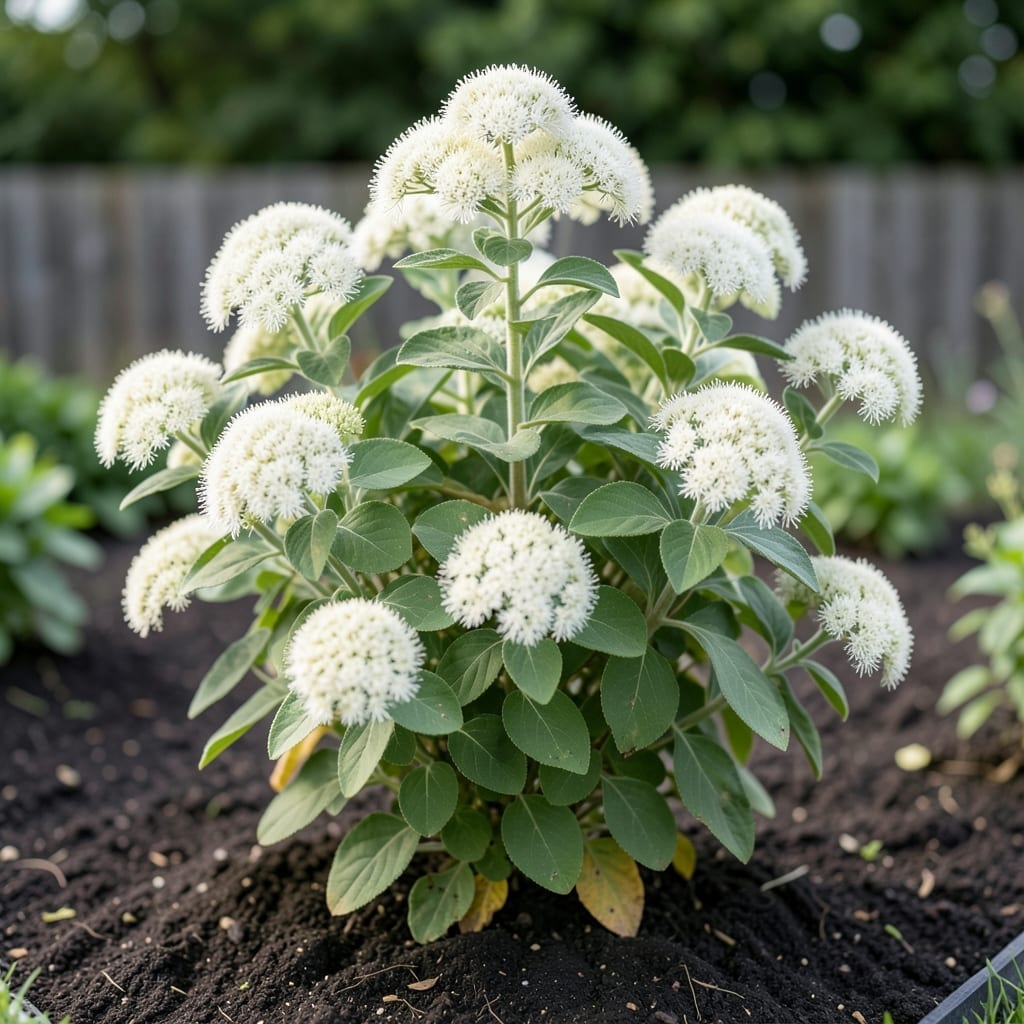
White smoke bush stops people in their tracks. I planted my first one three seasons ago, and the airy pinkish-white plumes still make me pause every time I walk by.
It thrives in full sun with well-draining soil, tolerates drought once established, and that fall foliage? A fiery red show that lasts for weeks. Minimal pruning keeps it looking sharp year after year.
📚 In This Guide
This method ensures your plants establish quickly and produce those stunning plumes you love.
Select a spot with full sun to partial shade—this variety thrives in 6+ hours of direct sunlight but tolerates afternoon shade in hotter climates. I always test the spot by watching how the light moves across it throughout the day. Avoid low areas where water pools after rain.
The soil should drain well. If you’re unsure, dig a 12-inch deep hole and fill it with water. If it hasn’t drained within 2 hours, choose a different location or amend the soil with compost to improve drainage before planting.
Dig a hole that’s twice as wide as the root ball but no deeper. The extra width gives roots room to spread out easily. I use the shovel to score the sides of the hole—this helps roots penetrate the surrounding soil more quickly.
Remove any rocks or debris from the hole, then rough up the sides and bottom with your shovel. This breaks up compacted soil and creates a better environment for root growth. If your soil is heavy clay, mix in some compost to improve texture.
Gently remove the plant from its container and loosen the roots if they’re circling the root ball. Place it in the hole so the top of the root ball sits 1 inch above the surrounding soil level—this prevents settling that can suffocate the plant.
Backfill with native soil, pressing lightly to remove air pockets. Create a 2-3 inch high watering ring around the base to help direct water to the roots. Water deeply with 1-2 gallons immediately after planting to settle the soil around the roots.
Apply a 2-3 inch layer of organic mulch around the base, keeping it 3 inches away from the trunk to prevent rot. This conserves moisture and suppresses weeds that compete for nutrients. I prefer shredded bark as it breaks down slowly and improves soil as it decomposes.
Water deeply 2-3 times per week for the first month, then taper off as the plant establishes. You’ll know it’s time to water when the top 1-2 inches of soil feel dry to the touch. The first growing season is critical for establishment.
Check the plant daily for the first week, watching for signs of stress like wilting or yellowing leaves. If you see wilting in the afternoon, it’s often just the plant’s way of conserving water, but morning wilting means it needs more moisture.
After 2-3 weeks, gently tug on the plant. If it resists, the roots are establishing well. If it comes out easily, water more frequently. You’ll see new growth within 4-6 weeks—that’s your sign the plant has successfully taken hold.
Small details make the difference between a plant that struggles and one that thrives with those signature plumes.
Sunlight Strategy: The 6+ hours of direct sunlight mentioned in Step 1 is non-negotiable for vibrant blooms. I learned this the hard way when my first plant produced sparse, pale flowers in a shadier spot. Position it where it gets morning sun, which is gentler than harsh afternoon rays in hotter climates.
Drainage Test: That 12-inch hole drainage test from Step 1 is your best insurance policy. If water hasn’t disappeared within exactly 2 hours, don’t risk it—amend the soil with compost or choose a raised bed. Root rot from poor drainage is the number one killer of these plants.
Planting Height: In Step 3, placing the root ball 1 inch above soil level might seem counterintuitive, but it prevents the dreaded “sinking” that suffocates new plants. I use a ruler to measure this precisely—it’s that important for long-term health.
Watering Wisdom: The 1-2 gallons immediately after planting in Step 3 isn’t excessive—it eliminates air pockets that could dry out roots. For the first month, stick to the 2-3 times per week schedule, but always check that top 1-2 inches of soil first. Overwatering is just as dangerous as underwatering.
Look for its striking white-pink plumes and deep purple foliage. The leaves often turn vibrant red in fall, making it a standout ornamental shrub.
Early spring or fall is ideal. This gives the roots time to establish before extreme heat or cold. Avoid planting in peak summer.
Consider ninebark, elderberry, or weigela for similar visual appeal. These shrubs also offer colorful foliage and blooms.
Check sunlight (6+ hours daily is best), soil fertility, or pruning habits. Over-pruning can remove flower buds—trim after blooming ends.
Improve air circulation, avoid overhead watering, and apply fungicide if needed. Remove affected leaves to prevent spread.