
Beautiful Plants For Your Interior
Beautiful Plants For Your Interior
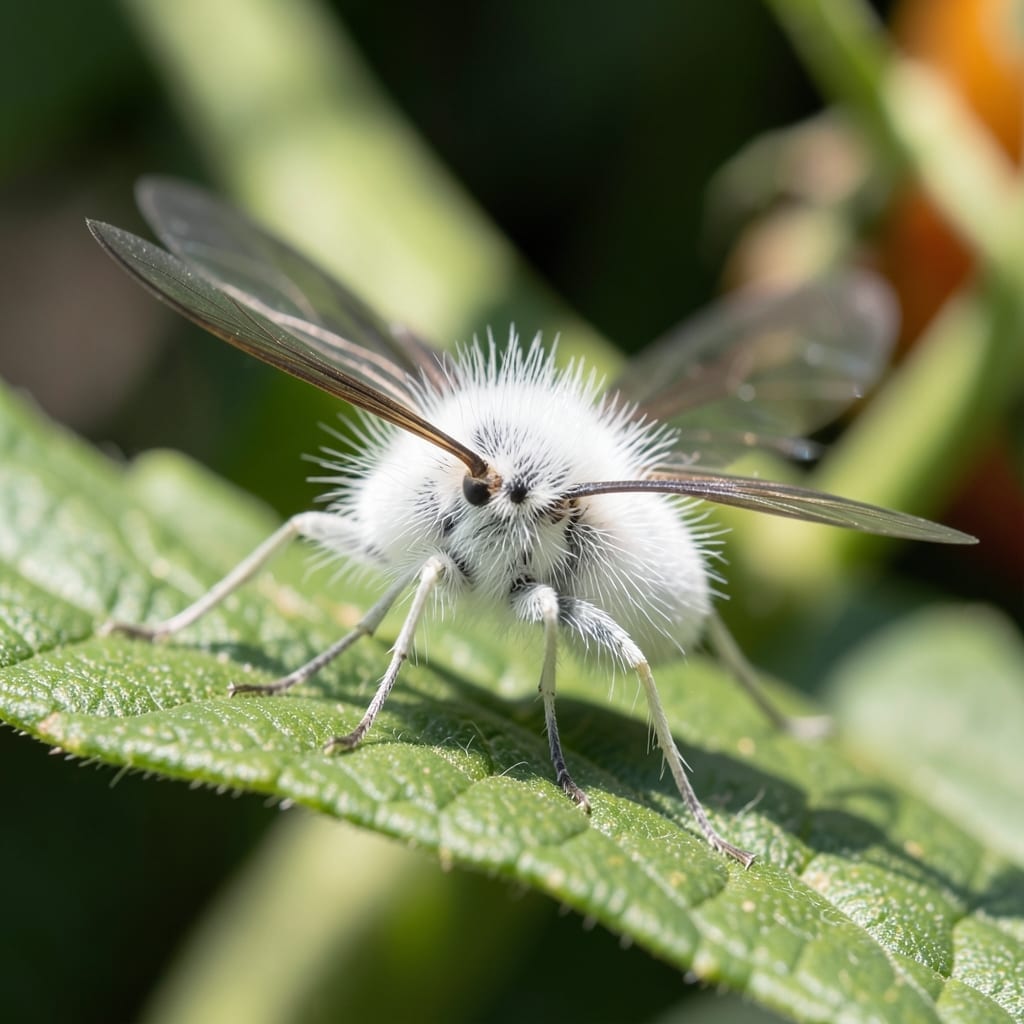
I first spotted them on my kale leaves—tiny white tufts that took flight when disturbed. These pests multiply fast, leaving sticky residue and stunted growth in their wake.
They’re not just unsightly; they sap plant strength and spread disease. I’ve lost entire crops to infestations before learning how to stop them early. Natural deterrents work best for me.
The solution starts with vigilance. Check undersides of leaves weekly, especially on brassicas and nightshades. A strong blast of water dislodges many before they take hold.
For stubborn cases, neem oil or insecticidal soap does the trick without harsh chemicals. Consistency is key—reapply after rain and keep monitoring.
The sudden appearance of small white fuzzy flying insects in your garden is rarely random. These pests, often whiteflies or woolly aphids, thrive under specific conditions. Below are the most common causes, explained scientifically to help you address the root of the problem.
Stressed or densely planted gardens create ideal breeding grounds. Weak plants emit volatile organic compounds (VOCs) that attract pests. Overcrowding also reduces airflow, trapping humidity—perfect for whiteflies to lay eggs on leaf undersides. Action: Thin out plants and remove weakened ones to disrupt their habitat.
High humidity (above 70%) and stagnant water accelerate the lifecycle of fuzzy flying pests. These insects thrive in damp environments, where fungal growth (a secondary food source) also proliferates. Action: Improve drainage, water early in the day, and use drip irrigation to keep foliage dry.
Temperatures between 70–85°F (21–29°C) trigger rapid reproduction in whiteflies and woolly aphids. Greenhouses or southern climates often see outbreaks in late spring and summer. Action: Use shade cloths or plant heat-tolerant varieties to deter them naturally.
Gardens lacking biodiversity often suffer from unchecked pest populations. Beneficial insects like ladybugs, lacewings, or parasitic wasps keep these fuzzy pests in balance. Action: Plant companion flowers (e.g., marigolds, alyssum) to attract predators.
Dealing with these tiny pests in your garden doesn’t have to be a battle. Here’s how to tackle each cause with simple, natural fixes and keep them from coming back.
If soggy soil is attracting them, start by letting the top inch of soil dry out between waterings. Add organic mulch or compost to improve drainage and reduce moisture buildup. For potted plants, ensure containers have drainage holes.
Prevention tip: 💡 Water early in the day so excess moisture evaporates by evening, making your garden less inviting.
Remove fallen leaves, fruit, or rotting debris where these insects love to breed. Keep your garden beds tidy and dispose of organic waste in sealed compost bins away from your plants.
Prevention tip: 🌡️ Rake and clear debris weekly, especially after storms or heavy winds.
Encourage beneficial insects like ladybugs, lacewings, or parasitic wasps—they feed on these pests. Plant dill, fennel, or yarrow to attract them. Avoid broad-spectrum pesticides that harm these helpers.
Prevention tip: ✨ Set up a small insect hotel or shallow water dish to create a welcoming habitat.
Trim dense foliage to increase airflow and reduce humidity. Space plants according to their mature size to prevent crowding, which traps moisture and invites pests.
Prevention tip: 🎯 Thin out seedlings early and stake tall plants to keep them upright and aerated.
With these targeted fixes, you’ll send those fuzzy intruders packing—naturally.
They love soft-leafed plants like tomatoes, peppers, and kale. Brassicas and nightshades are prime targets, but they’ll also attack ornamental flowers if given the chance.
That’s honeydew, a sugary waste product they excrete while feeding. It attracts ants and promotes sooty mold growth, which can further damage your plants.
Encourage predators like ladybugs by planting dill or alyssum. Also, use reflective mulch to disorient them and inspect leaf undersides weekly for early signs.
Yes, they thrive in warm, humid indoor environments like greenhouses. Isolate infested plants immediately and increase airflow to disrupt their lifecycle.