
Beautiful Plants For Your Interior
Beautiful Plants For Your Interior
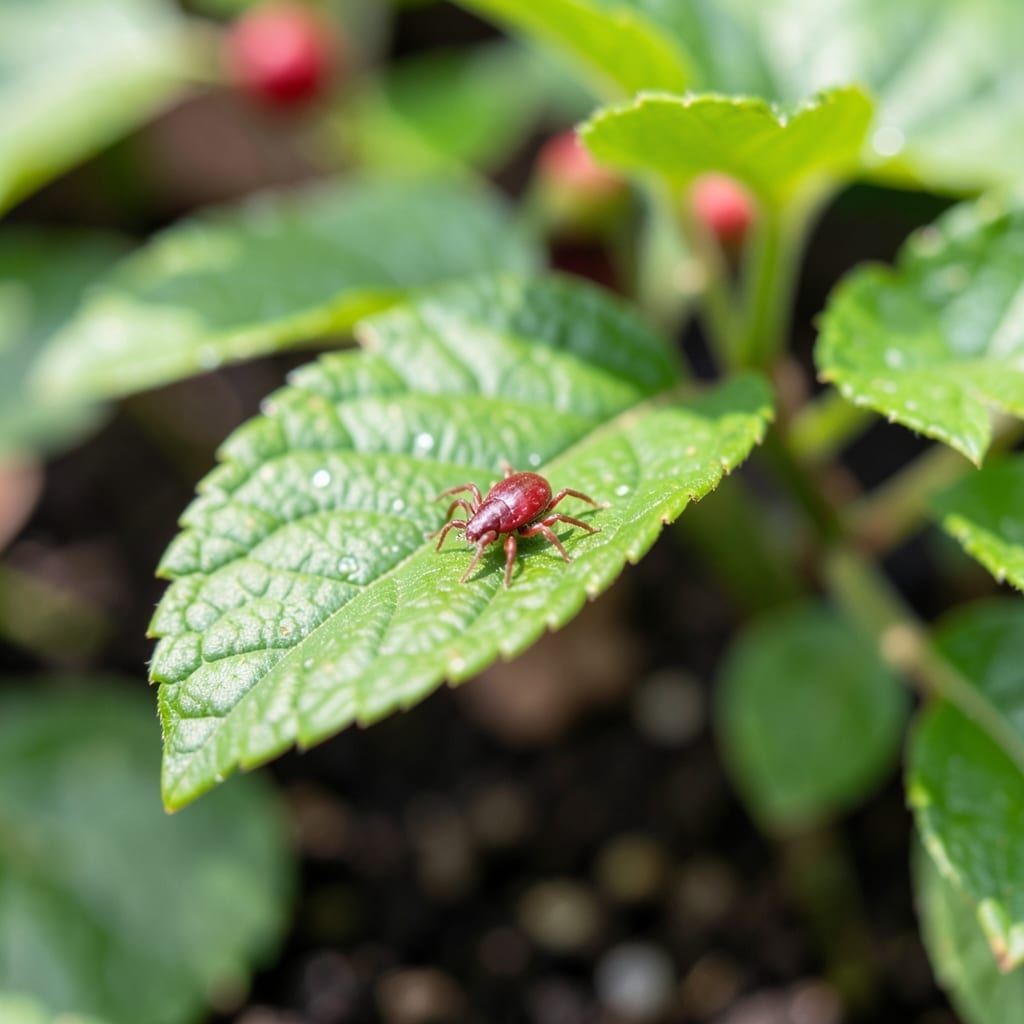
Tiny red invaders on your plants aren’t ticks—they’re likely clover mites or spider mites. 🌱 I’ve dealt with both, and they’ll drive you crazy if you don’t act fast.
Clover mites leave rusty stains when crushed, while spider mites spin fine webbing. Both thrive in dry, dusty conditions and can overwhelm a garden in days. I learned this the hard way last summer.
Here’s the thing—you can control them without harsh chemicals. A strong blast of water dislodges clover mites, and neem oil smothers spider mites. Prevention is even simpler.
Regular plant inspections and proper watering keep these pests from gaining a foothold. Trust me, early action saves your garden.
The presence of small red tick-like bugs in your garden or home is rarely random. Below are the most frequent causes, explained with actionable insights.
Dense plant growth provides the ideal habitat for these pests. Clover mites, often mistaken for ticks, thrive in lush lawns, ivy, or mulch. They feed on plant sap and multiply rapidly in undisturbed greenery. Action: Trim overgrown areas and maintain a 20-foot vegetation-free barrier around your home’s foundation.
High humidity and standing water attract red spider mites and other tiny arthropods. These bugs lay eggs in damp soil or under leaf litter. Action: Improve drainage, fix leaky faucets, and remove organic debris where moisture accumulates.
Gaps in window screens, cracks in siding, or loose door sweeps allow chiggers or bird mites to invade indoor spaces. These bugs hitchhike on pets or clothing. Action: Seal entry points with caulk and install fine-mesh screens (at least 200 mesh for mites).
Bird nests, rodent burrows, or squirrel dreys near your home can harbor mites that drop off hosts once the nest is abandoned. Action: Remove old nests and treat the area with diatomaceous earth or a miticide labeled for outdoor use.
If you’ve spotted a small red tick-like bug in your garden or home, don’t panic. Here’s how to tackle the issue based on the most common causes, along with prevention tips to keep them from coming back.
For bugs like clover mites or spider mites on plants:
Prevention tip: 💡 Keep garden beds free of debris and overgrown weeds to reduce hiding spots.
If these bugs are wandering inside (often clover mites):
Prevention tip: ✨ Install fine mesh screens on windows and vents to block tiny invaders.
If your pets are scratching or you see bugs on them:
Prevention tip: 🎯 Regularly groom pets and keep their living areas clean to deter pests.
Most small red tick-like bugs are harmless but can be a nuisance. Addressing the root cause—whether it’s plant health, home maintenance, or pet care—will keep your space bug-free.
Most are harmless and don’t bite, but crushing them can leave rusty stains. Clover mites won’t hurt you, but spider mites can irritate skin if handled. Keep pets away from infested plants to prevent discomfort.
Ticks have 8 legs and are larger, while mites are tiny (1-2 mm) with a red or orange hue. Mites often cluster on plants, while ticks latch onto skin. Use a magnifying glass for a closer look.
Yes! Regularly prune plants, remove leaf litter, and maintain dry conditions. A strong water spray dislodges mites, and diatomaceous earth creates a natural barrier.
They thrive in undisturbed, moist areas. Check for overgrown vegetation, standing water, or cracks in your home’s exterior. Seal entry points and reduce humidity to break their life cycle.