
Beautiful Plants For Your Interior
Beautiful Plants For Your Interior
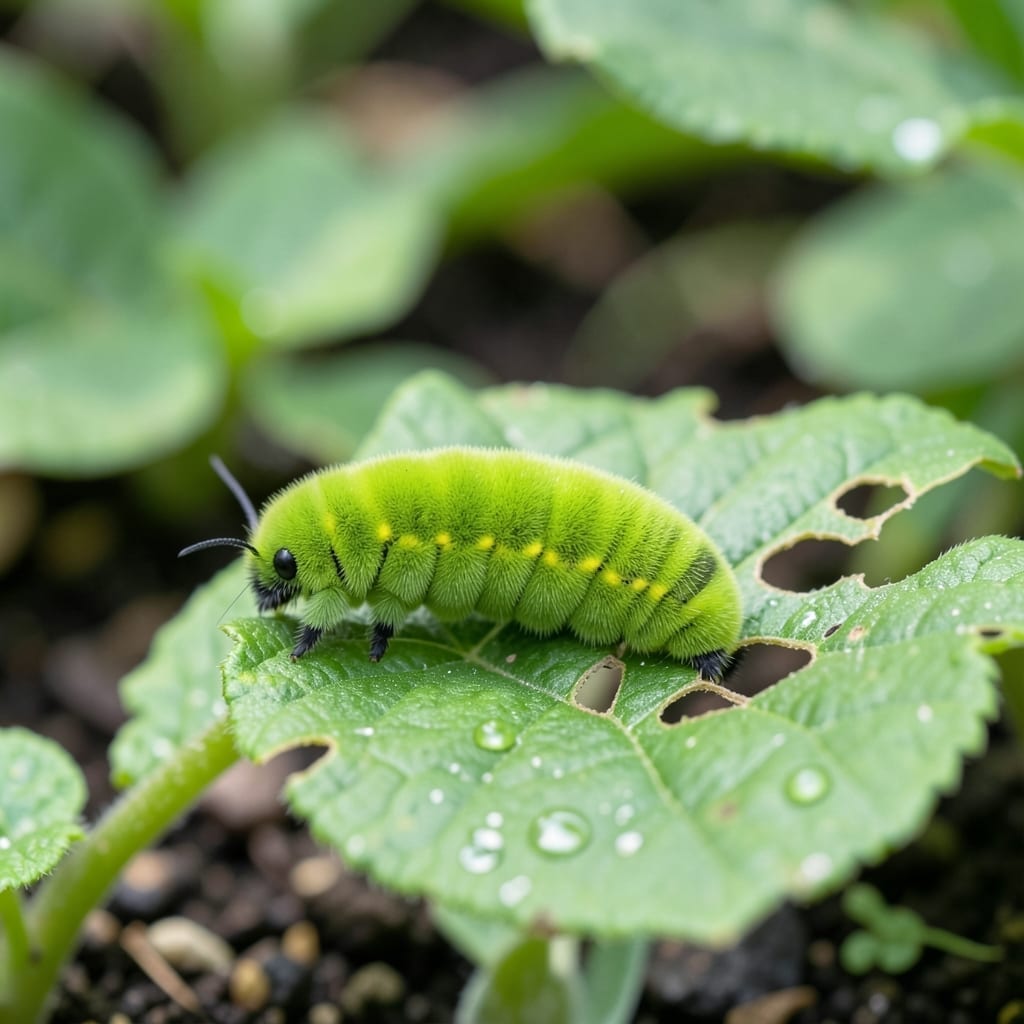
That tiny bright green visitor might be your garden’s worst enemy. I spotted them on my tomato leaves last week—small, smooth, and doing serious damage before I even noticed.
These caterpillars blend in perfectly, making them hard to spot until it’s too late. They chew through leaves faster than you’d expect, leaving jagged holes and skeletonized foliage in their wake.
The good news? They’re easy to remove by hand if you catch them early. A daily inspection of susceptible plants saves you from a full-blown infestation later.
Organic solutions work fast—neem oil or BT spray stops them without harming beneficial bugs. Your plants will recover quickly once they’re gone.
Understanding why small bright green caterpillars show up in your garden helps you manage and prevent infestations effectively. These pests often thrive due to specific environmental and biological factors. Below are the most common causes, explained with actionable insights.
Many bright green caterpillars, such as the cabbage looper or tomato hornworm, target specific plants. They lay eggs on leaves of brassicas (kale, broccoli), tomatoes, or other favorites. If your garden has a high concentration of these host plants, it naturally attracts egg-laying adults. Action: Diversify plant types and rotate crops yearly to disrupt their life cycle.
Caterpillars thrive in warm, moist conditions. Spring and early summer—when temperatures hover between 70–85°F (21–29°C) and humidity is high—are peak times for hatching. These conditions speed up their metabolism, leading to rapid growth and more visible damage. Action: Monitor weather forecasts and inspect plants more frequently during these periods.
In balanced ecosystems, birds, parasitic wasps, and ladybugs keep caterpillar populations in check. However, if your garden lacks biodiversity or uses broad-spectrum pesticides, these predators disappear. Without them, caterpillars multiply unchecked. Action: Plant pollinator-friendly flowers (like marigolds or dill) and avoid chemical pesticides to encourage natural pest control.
Fallen leaves, dense foliage, and untended garden beds provide shelter for eggs and young larvae. These hidden spots protect them from predators and harsh weather. Action: Regularly clear debris, prune overgrown areas, and maintain clean garden beds to reduce hiding spots.
If you’ve spotted a small bright green caterpillar munching on your plants, don’t panic. Here’s how to tackle the issue without harming your garden or the environment.
For small infestations, the simplest fix is to handpick the caterpillars. Wear gloves to avoid skin irritation, then drop them into a bucket of soapy water or relocate them to a wild area away from your garden. Prevention tip: Inspect leaves daily, especially undersides, to catch them early.
Neem oil or Bacillus thuringiensis (Bt) are organic sprays that target caterpillars without harming beneficial insects. Mix according to package instructions and spray in the early morning or late evening for best results. Prevention tip: Apply preventatively every 1–2 weeks during peak growing seasons.
Protect vulnerable plants with floating row covers or fine mesh netting. This blocks adult moths from laying eggs on leaves. Secure edges tightly to prevent gaps. Prevention tip: Remove covers temporarily during pollination to allow bees access.
Attract birds, ladybugs, and parasitic wasps by planting native flowers or setting up a birdbath. These predators feed on caterpillars and their eggs. Prevention tip: Avoid pesticides, which can kill these helpful allies.
Pro tip 💡: Rotate methods for best results—combine handpicking with natural sprays for stubborn outbreaks. Stay consistent, and your garden will thrive caterpillar-free!
Look for jagged holes in leaves or skeletonized foliage. Check leaf undersides for tiny green larvae or black droppings. Early morning or evening inspections work best since they’re most active then.
No, they usually target specific plants like tomatoes, cabbage, or kale. However, severe infestations can spread to nearby plants. Rotate crops yearly to disrupt their life cycle.
Handpick them wearing gloves and drop into soapy water. For larger infestations, use neem oil or Bt spray in the early morning or late evening. Avoid chemical pesticides.
Yes, if eggs remain. Inspect plants daily and remove any eggs or larvae you find. Use row covers to prevent adult moths from laying new eggs.