
Beautiful Plants For Your Interior
Beautiful Plants For Your Interior
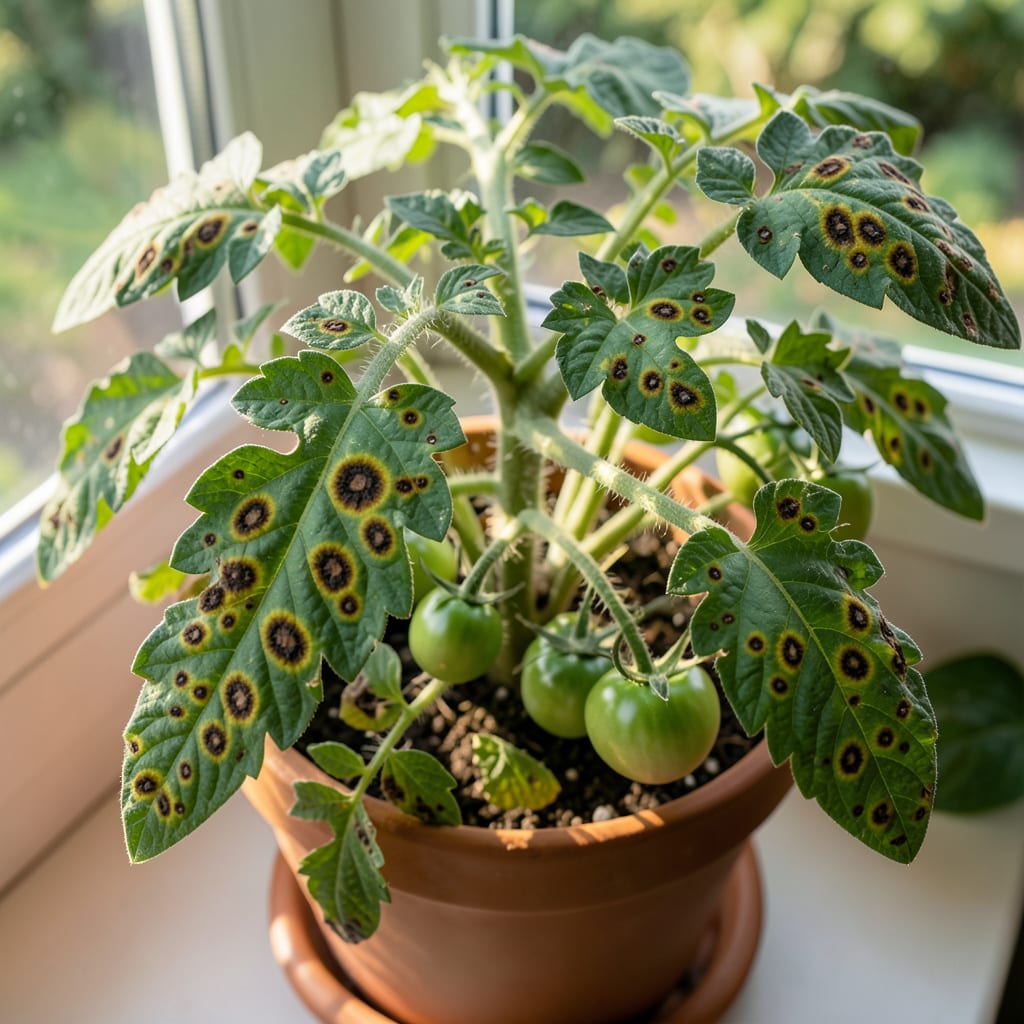
Those brown spots on your tomato leaves aren’t just ugly—they’re a warning sign. I’ve seen early blight, septoria, and bacterial speck in my own garden, and each tells a different story about what your plants need.
Some spots spread fast, others stay small but multiply like freckles. The pattern, color, and edges reveal whether it’s a fungus, pest damage, or just stress from uneven watering. My first year, I lost half my crop by ignoring the clues.
You’ll learn to match the spots to the problem and fix it before it spreads. Most solutions are simple: remove affected leaves, adjust watering, or apply a copper fungicide. Early action saves the harvest.
Works for garden beds, containers, or greenhouse tomatoes. Spot the difference before it’s too late.
Spots on tomato leaves are often a sign of underlying issues, ranging from fungal infections to environmental stress. Below are the most common causes, explained with actionable insights to help you diagnose and address the problem.
Fungi like Alternaria solani (early blight) and Septoria lycopersici thrive in warm, wet conditions. These pathogens produce spores that spread via water splashes or wind, creating dark, concentric rings or irregular brown spots on leaves. Overhead watering and poor air circulation exacerbate the issue.
Bacteria such as Pseudomonas syringae cause angular, water-soaked spots with yellow halos. These often appear after heavy rain or when plants are injured. Bacterial leaf spot spreads rapidly in humid environments, and infected plants may exhibit wilting alongside leaf damage.
Insects like aphids and whiteflies pierce leaf tissues, creating entry points for secondary infections. Their feeding can also cause stippling or yellowing. Spider mites, meanwhile, leave tiny yellow or brown spots as they suck sap from the undersides of leaves.
Extreme heat, drought, or nutrient deficiencies (e.g., calcium or magnesium) can trigger leaf spotting. Sunburn from intense sunlight may cause white or brown patches, while over-fertilization leads to salt buildup, resulting in marginal leaf burn.
Herbicides or improperly applied pesticides can cause necrotic spots or distorted growth. Drift from nearby lawn treatments or residual chemicals in soil are common culprits. Always follow label instructions to avoid phytotoxicity.
Dealing with spots on tomato leaves can be frustrating, but with the right approach, you can nurse your plants back to health. Below are targeted solutions for common causes, along with prevention tips to keep your garden thriving.
Fix: Remove and destroy infected leaves immediately to prevent spread. Apply a copper-based fungicide or a homemade mix of 1 tsp baking soda + 1 quart water + a few drops of dish soap. Spray every 7–10 days or after rain.
Prevention: Space plants for airflow, water at the base (not overhead), and rotate crops yearly. Mulch with straw to reduce soil splash.
Fix: Blast pests off with water or use insecticidal soap or neem oil. For severe infestations, introduce beneficial insects like ladybugs.
Prevention: Inspect leaves weekly, especially undersides. Plant companion herbs like basil or marigolds to deter pests.
Fix: Adjust watering to keep soil moist but not soggy. For nutrient issues, test soil and amend with compost or a balanced fertilizer (e.g., 10-10-10). Yellow spots often signal magnesium deficiency—try Epsom salt spray (1 tbsp per gallon of water).
Prevention: Use well-draining soil, water consistently, and fertilize every 3–4 weeks during growing season.
Fix: Prune affected leaves and provide shade cloth during peak sun. If caused by herbicides, flush soil with water and avoid drift from nearby sprays.
Prevention: Acclimate seedlings gradually to sunlight. Apply herbicides on calm days, and keep a buffer zone around tomato plants.
💡 Pro Tip: Always sterilize pruning tools between cuts with rubbing alcohol to avoid spreading disease!
Fungal spots often have concentric rings or fuzzy edges, while bacterial spots are water-soaked with yellow halos. Fungal issues spread via water splashes, bacterial spreads in humidity.
Remove infected leaves immediately and avoid overhead watering. Apply a copper fungicide or neem oil for fungal/bacterial cases. Isolate severely affected plants.
Yes! Overwatering creates ideal conditions for fungal growth. Ensure soil drains well and water at the base, not the leaves. Morning watering allows foliage to dry quickly.
Not always. Yellow spots can signal magnesium deficiency, but also pest damage or early fungal infection. Test soil and check leaf undersides for bugs before treating.
