
Beautiful Plants For Your Interior
Beautiful Plants For Your Interior
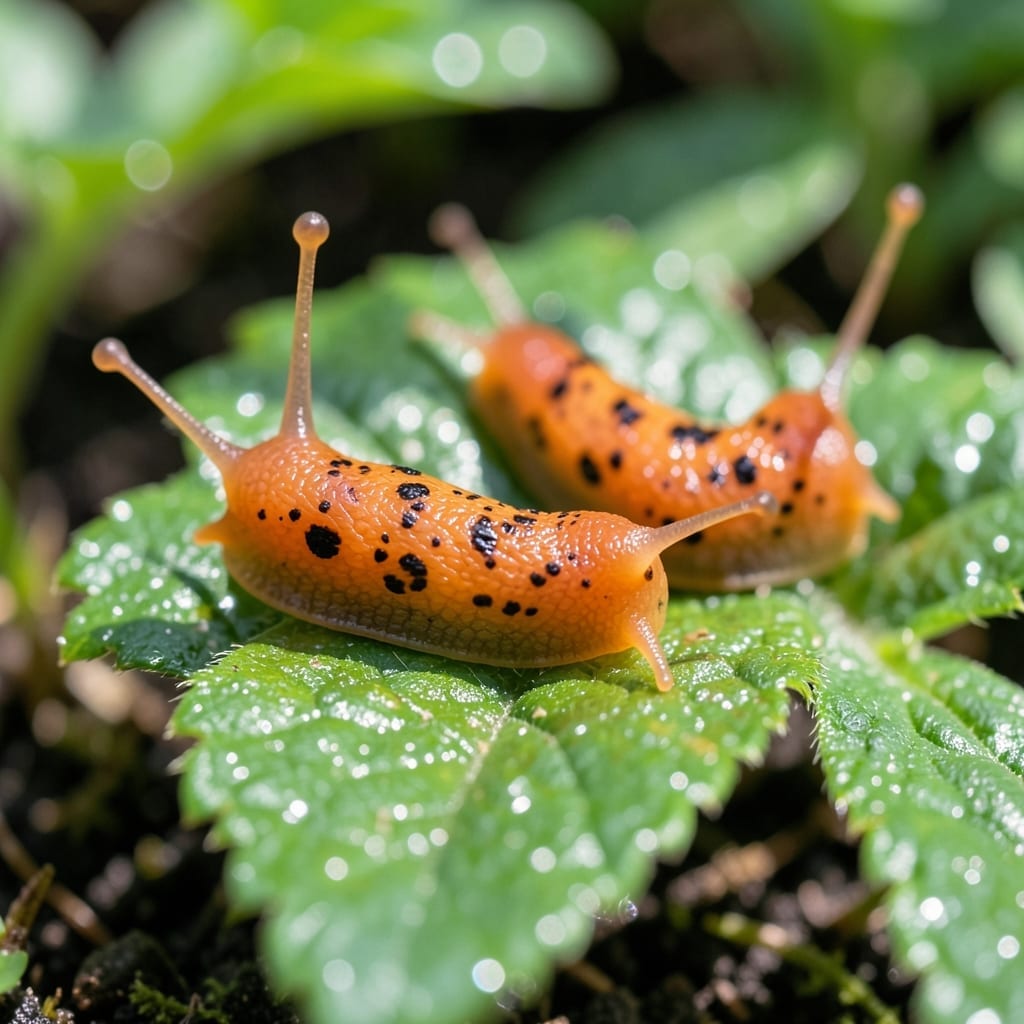
Spotted slugs leave a trail of destruction you can’t ignore. I found my hostas riddled with holes overnight, then traced the damage to these speckled pests hiding under leaves.
These creatures are sneaky—active at night, leaving silvery slime trails by morning. The spots make them easier to identify than plain slugs, but the damage is just as fast and just as frustrating.
You’ll notice irregular holes in leaves, often with slimy residue nearby. They target tender new growth first, then move to established plants if left unchecked.
Early action saves your garden. Here’s how to spot them before they multiply and take over your beds.
Spotted slugs often signal underlying issues in their environment or health. Here’s why it happens:
Some slugs develop spots due to natural genetic variations. These mutations can alter pigmentation, creating distinct patterns. While harmless, they may indicate a diverse gene pool in the population.
Pathogens like Pseudomonas or Fusarium can cause dark or discolored spots on slugs. These infections often thrive in damp, unsanitary conditions, spreading rapidly in crowded or poorly maintained habitats.
Slugs feeding on toxic plants (e.g., foxglove or oleander) may develop spots as a stress response. The toxins trigger pigment changes or tissue damage, leading to visible markings.
Extreme temperatures, UV exposure, or chemical pollutants can disrupt a slug’s skin cells, causing irregular pigmentation. Ensure habitats are stable and free from harsh chemicals to prevent this.
Internal or external parasites (e.g., nematodes) can cause localized damage, appearing as spots. Infested slugs may also exhibit lethargy or reduced appetite.
Spotted slugs in your garden can be a nuisance, but there are practical ways to address the issue. Here’s how to tackle the most common causes and prevent future outbreaks.
Excess moisture creates the perfect breeding ground for slugs. Fix: Improve drainage by adding organic matter like compost to the soil. Water plants in the morning so the surface dries by evening. Consider raised beds if your garden has persistent drainage issues.
Slugs thrive when their predators—like birds, frogs, and beetles—are absent. Fix: Encourage biodiversity by adding a small water feature or planting native shrubs to attract predator species. Avoid using broad-spectrum pesticides that harm beneficial insects.
Slugs love hiding under leaves, mulch, or garden clutter. Fix: Clear debris regularly, especially after rain. Use copper tape around pots or raised beds to create a slug barrier, as copper reacts with their slime, deterring them.
With these steps, you can reduce slug activity and protect your plants without harming the ecosystem. ✨
No, the spots don’t make them more destructive. Both types cause similar damage to plants, but the spots can help you identify and target them more easily during control efforts.
They’re primarily active at night or during damp, overcast days. Check your garden at dawn or dusk for the best chance of spotting them and their silvery slime trails.
While salt works, it’s not recommended. It can harm soil health and nearby plants. Opt for organic pellets or barriers like copper tape for safer, more effective control.
They can host parasites or bacteria, but the risk to humans is minimal. Always wear gloves when handling them and wash your hands afterward to stay safe.