
Beautiful Plants For Your Interior
Beautiful Plants For Your Interior
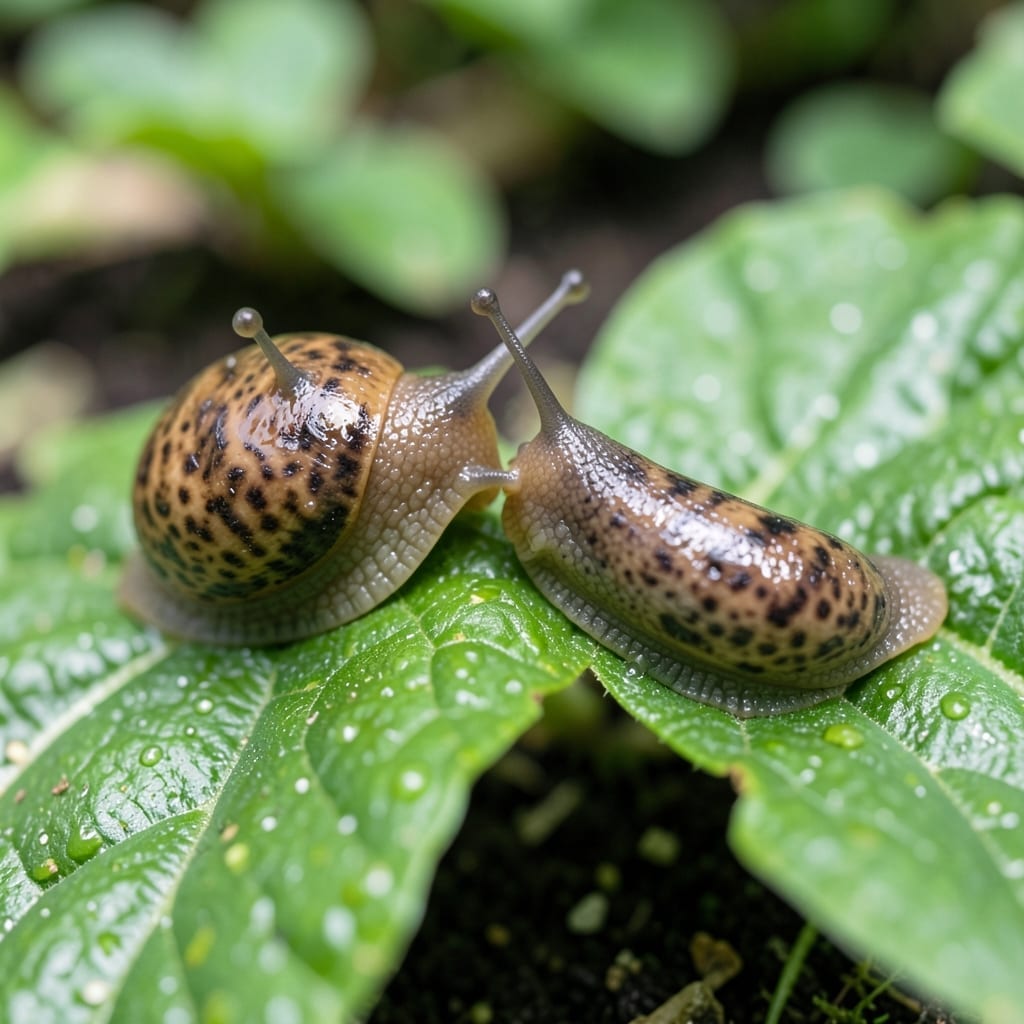
Woke up to shredded hostas last week. Slugs turn lush leaves into lace overnight, and they’re not picky—your entire garden’s on the menu.
They’re after moisture and tender growth, but here’s the thing—you don’t need chemicals to stop them. Natural solutions actually work better long-term.
Copper tape barriers, beer traps, and late-night hunts with a flashlight cut their numbers fast. Your plants will recover with stronger, healthier growth once the pressure’s off.
Prevention’s easier than cure: clear hiding spots, water in the morning, and try companion plants like lavender or rosemary.
Slugs are drawn to leaves for several biological and environmental reasons. Understanding these causes can help you address the issue effectively.
Slugs thrive in damp environments, and leaves often retain moisture, especially after rain or watering. The soft, hydrated tissue of leaves is easier for slugs to consume compared to drier plant parts. This moisture also helps them move smoothly across surfaces, making leaves a prime target.
Leaves are packed with nutrients like nitrogen, which slugs need for growth and reproduction. Young, tender leaves are particularly appealing because they contain higher concentrations of these essential nutrients. Slugs are opportunistic feeders, and leaves provide an easily accessible, nutrient-dense meal.
In gardens with limited biodiversity, slugs face fewer threats from predators like birds, beetles, or frogs. Without natural checks, their populations can explode, leading to increased leaf damage. Encouraging predator presence (e.g., birdhouses, toad shelters) can help restore balance.
Dense plantings create shaded, humid microclimates that slugs love. Overcrowded beds also limit airflow, keeping leaves damp for longer. Thinning plants and improving spacing can reduce slug attractiveness by making the environment less favorable.
Dealing with slugs munching on your plants can be frustrating, but these practical solutions will help you reclaim your garden. Below are targeted fixes for common causes, along with prevention tips to keep your leaves safe.
Slugs thrive in damp environments. Fix it: Reduce watering frequency and ensure proper drainage. Water plants early in the morning so the soil dries out during the day. Consider using drip irrigation to keep foliage dry.
Prevent it: 💡 Add organic matter like compost to improve soil structure and prevent waterlogging.
Slugs can easily crawl onto unprotected plants. Fix it: Create physical barriers using copper tape around pots or crushed eggshells around garden beds. These materials irritate slugs and deter them.
Prevent it: 🎯 Apply a layer of diatomaceous earth around vulnerable plants—it’s a natural slug repellent.
Slugs love hiding in mulch, fallen leaves, and other garden debris. Fix it: Remove piles of leaves, boards, or rocks where slugs might shelter. Keep your garden tidy to eliminate their hiding spots.
Prevent it: ✨ Regularly clean up plant debris and store compost bins away from garden beds.
A lack of slug predators (like birds, frogs, or beetles) can lead to an infestation. Fix it: Encourage natural predators by setting up a small water source or bird feeders. Avoid using chemical pesticides that harm beneficial wildlife.
Prevent it: 🌡️ Plant native species that attract slug-eating insects and animals.
Slugs are most active at night, making it easy for them to go unnoticed. Fix it: Set up beer traps (fill a shallow dish with beer—they’re attracted to it and will drown). Alternatively, go on a nighttime patrol with a flashlight to handpick slugs off your plants.
Prevent it: 🔥 Use organic slug pellets containing iron phosphate, which are safe for pets and wildlife.
Slugs do most of their feeding at night or on cloudy days when it’s cool and damp. Check your plants with a flashlight after dark to catch them in the act.
Yes, the caffeine in used coffee grounds can deter slugs when sprinkled around plants. Refresh the grounds after rain for continued protection.
Tender new growth is softer and packed with nutrients slugs need. Older leaves are tougher and less appealing to these pests.
Slug damage leaves irregular holes with smooth edges and a silvery slime trail. Other pests often create jagged edges or distinct patterns.