
Beautiful Plants For Your Interior
Beautiful Plants For Your Interior
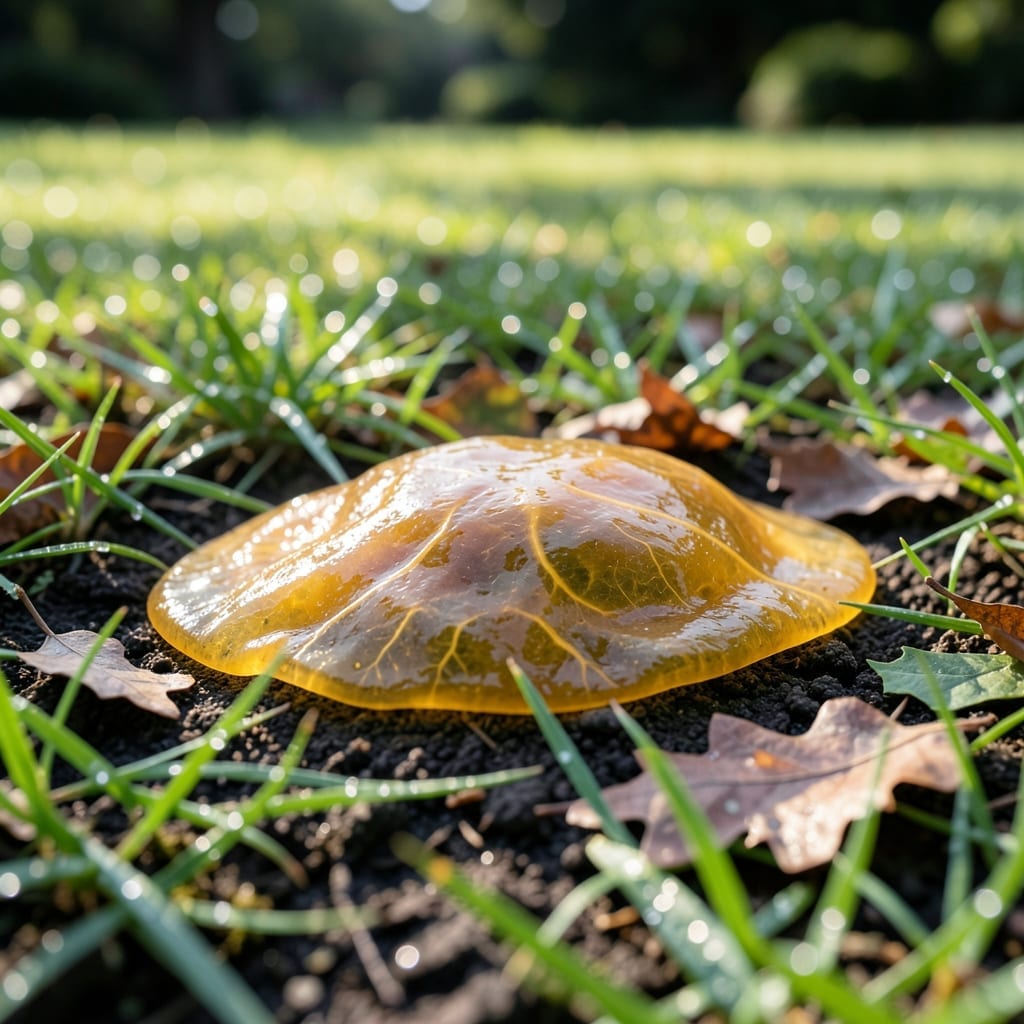
That weird black or gray powder on your grass isn’t dirt or dead patches. I’ve seen slime mold turn perfectly good lawns into alien landscapes overnight, and the first time it happened to me, I panicked.
Here’s the thing—it’s not actually hurting your grass, just sitting on top like an uninvited guest. The mold thrives in damp, shady areas with poor air circulation, especially after heavy rains or overwatering. Left alone, it’ll dry up and disappear on its own.
But if you want it gone now, a gentle rake or hose session does the trick. No chemicals needed. The grass underneath stays green and healthy, ready to bounce back once the mold clears.
Prevent future outbreaks by improving drainage and sunlight. A little lawn TLC goes a long way.
Slime mold on your lawn is a fascinating yet unsightly issue. Here’s why it happens:
Slime mold thrives in damp conditions. Prolonged rain, overwatering, or poor drainage creates the perfect breeding ground. The organism, a type of myxomycete, feeds on organic matter like dead grass and mulch, multiplying rapidly when moisture levels stay high for days. If your lawn retains water or lacks proper airflow, slime mold will likely appear.
A lawn covered in thatch, leaf litter, or wood chips provides ample food for slime mold. These organisms decompose organic material, so an excess of dead plant matter accelerates their growth. Regularly removing debris and aerating your lawn can starve slime mold before it spreads.
Slime mold flourishes in temperatures between 50–90°F (10–32°C) with high humidity. Spring and early summer are prime seasons, as these conditions align perfectly with its life cycle. Shaded, poorly ventilated areas are especially vulnerable, as they trap moisture and warmth.
Tightly packed soil restricts water drainage and air circulation, two factors that encourage slime mold. Compacted lawns prevent proper root growth, leading to weak grass and a buildup of organic material—ideal for slime mold colonization. Aerating compacted soil improves drainage and reduces the risk.
Dealing with slime mold in your lawn is manageable with a few practical steps. Below, we break down the most effective solutions, organized by cause and fix, along with prevention tips to keep your lawn healthy.
Slime mold thrives in damp conditions. If your lawn retains too much water, focus on improving drainage. Aerate the soil to allow water to flow freely, and consider adding organic matter like compost to enhance soil structure. Prevention tip: Water your lawn early in the day so it has time to dry before evening. 💡 Avoid overwatering—stick to 1-1.5 inches of water per week.
Slime mold feeds on decaying organic matter, such as fallen leaves, grass clippings, and thatch. Rake your lawn regularly to remove debris, and dethatch if the layer exceeds ½ inch. Prevention tip: Bag grass clippings if slime mold is a recurring issue, and keep your lawn free of leaf litter. 🌡️ A thin layer of mulch is fine, but avoid piling it up.
Shady, poorly ventilated areas are prime spots for slime mold. Trim back overgrown shrubs or trees to allow sunlight and air to reach the grass. Thin out dense plantings to improve airflow. Prevention tip: Choose grass varieties suited to shady areas if your lawn lacks full sun. ✨ Consider a mix of shade-tolerant grasses like fine fescue.
For small patches, slime mold can be physically removed. Use a rake, broom, or even a strong spray from a hose to dislodge it. Since slime mold doesn’t harm the grass, this is often enough to solve the problem. Prevention tip: Monitor your lawn weekly for early signs of slime mold to catch it before it spreads. 🎯 Early action prevents larger outbreaks!
With these steps, you can tackle slime mold head-on and keep your lawn looking its best. Consistency in maintenance is key to long-term prevention.
No, slime mold doesn’t damage grass. It simply sits on top and feeds on decaying organic matter. Once conditions dry out, it disappears naturally without leaving lasting harm.
Improve drainage, reduce thatch buildup, and avoid overwatering. Rake leaves regularly and aerate compacted soil. 1-1.5 inches of water per week is ideal.
Chemicals aren’t necessary and can harm your lawn. A rake or hose works just as well. For stubborn cases, a mild dish soap solution may help, but physical removal is safest.
Slime mold stays on the surface and won’t infect healthy plants. It thrives in damp, shaded areas, so focus on improving airflow and sunlight in affected spots.