
Beautiful Plants For Your Interior
Beautiful Plants For Your Interior
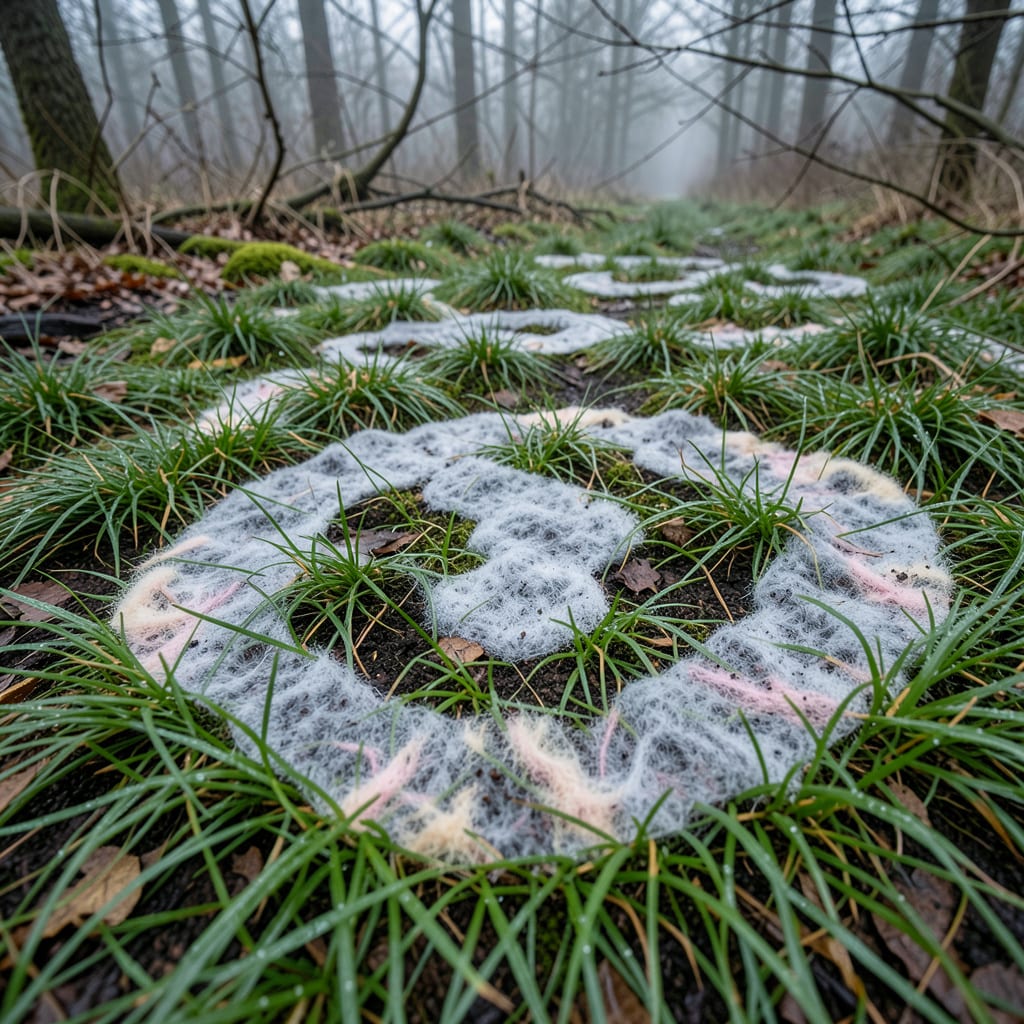
That grayish-white mat on your lawn come spring isn’t just unsightly—it’s snow mold. I’ve dealt with this every March, and early detection saves your grass from lasting damage.
It thrives under long-lasting snow cover on unfrozen ground, creating perfect conditions for fungus to spread. The good news? It’s treatable and preventable with the right approach.
You’ll see circular patches of matted, discolored grass as the snow melts. Left untreated, it can spread quickly, but organic solutions work surprisingly well for full recovery.
With simple treatments and smart prevention, your lawn will bounce back stronger. Spring green is still within reach.
Snow mold is a common fungal disease that appears on grass after snow melts, often leaving unsightly circular patches of matted, discolored turf. Understanding its causes helps you prevent it before it takes hold. Below are the primary factors that create the perfect conditions for snow mold to thrive.
The most critical factor is extended periods of cold, wet conditions. Snow mold fungi, such as Microdochium nivale (pink snow mold) and Typhula spp. (gray snow mold), thrive under snow cover that lasts for 30+ days. The snow insulates the grass, creating a humid, low-oxygen environment where fungi can spread unchecked. Early snowfall before the ground freezes worsens the problem, as the grass remains damp and vulnerable for longer.
A thick layer of thatch (dead grass, leaves, and debris) traps moisture and prevents proper air circulation. Thatch layers over ½ inch provide a cozy, nutrient-rich breeding ground for snow mold fungi. Regular dethatching in early fall helps reduce this risk by allowing the turf to dry and breathe.
Applying high-nitrogen fertilizers too late in the season (after late fall) encourages lush, tender grass growth that’s more susceptible to fungal attacks. This new growth hasn’t hardened off before winter, making it an easy target. Switch to a low-nitrogen, high-potassium fertilizer in late fall to strengthen grass cells instead.
Lawns in shaded areas, valleys, or compacted soil suffer from reduced airflow, which slows drying and prolongs moisture retention. Snow tends to linger longer in these spots, giving fungi more time to infect the grass. Aerating compacted soil and pruning nearby trees can improve circulation and reduce mold risk.
Once you spot snow mold, act quickly to stop it from spreading and restore your lawn. Here’s how to tackle each type and prevent future flare-ups.
With consistent care, your lawn can bounce back from snow mold and stay resilient against future infections. Early action is key!
Gray snow mold appears as white or gray circular patches, while pink snow mold has a faint pinkish tint. Both create matted, straw-colored grass, but pink mold often kills the turf underneath.
Mild cases may recover as the lawn dries out, but severe infections need intervention. Rake affected areas to improve airflow and speed up healing.
Mow shorter in fall, clear debris, and avoid late-season nitrogen fertilizers. Aerate compacted soil and improve drainage to reduce moisture buildup.
