
Beautiful Plants For Your Interior
Beautiful Plants For Your Interior
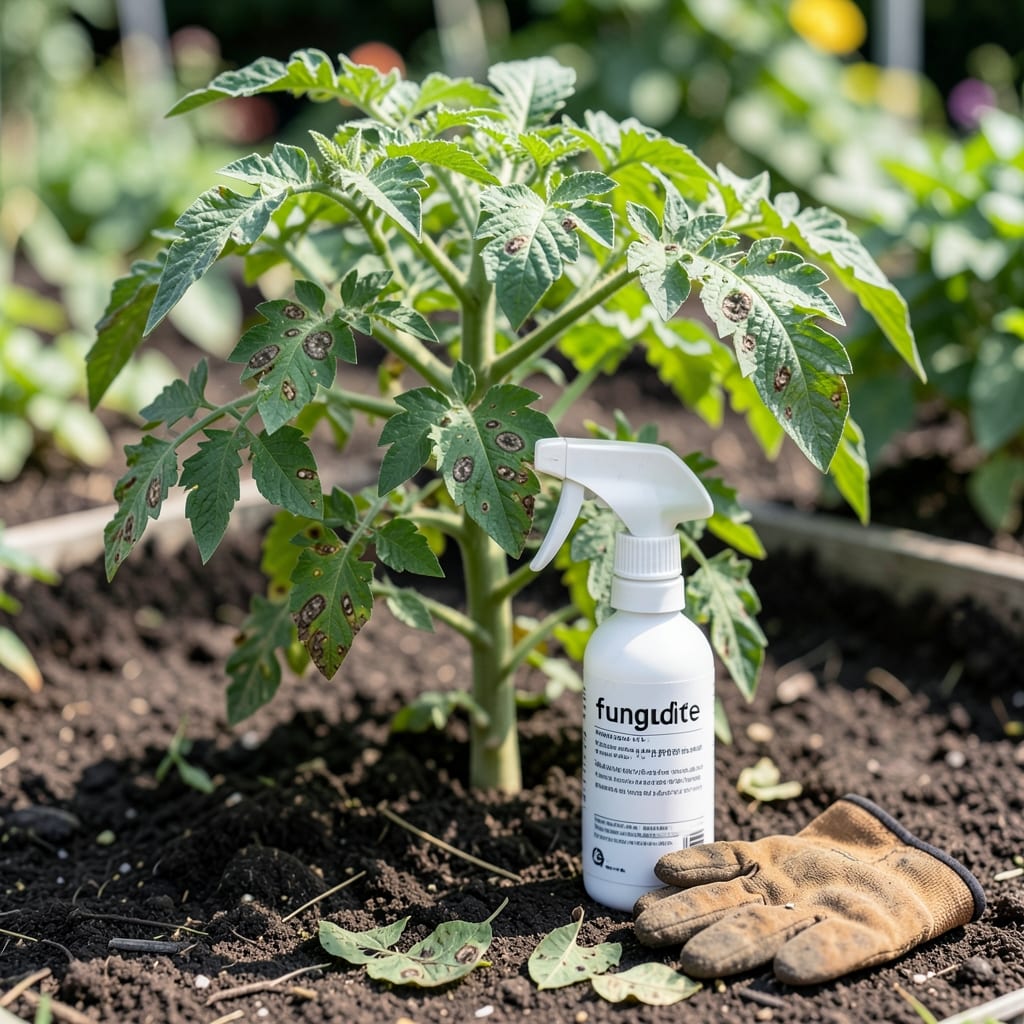
Spotted brown patches on your tomato leaves? I’ve been there—watching healthy plants decline from septoria leaf spot is frustrating, but there’s a way to fight back without harsh chemicals.
This fungal issue thrives in wet conditions, so improving airflow and removing infected leaves is your first line of defense. I learned the hard way that ignoring early signs leads to a full-blown outbreak.
Organic fungicides like copper or neem oil can stop the spread, while preventive measures keep it from returning. The key is consistency—treat weekly for best results.
Works for tomatoes, peppers, and other susceptible plants. Here’s how to reclaim your garden’s health.
Septoria leaf spot thrives under specific environmental and cultural conditions. Understanding the root causes helps you prevent and manage outbreaks more effectively.
The fungus Septoria lycopersici (common in tomatoes) and other Septoria species require 12+ hours of leaf wetness to infect plant tissues. Frequent rain, overhead irrigation, or high humidity create ideal conditions for spore germination. Dew formation can also extend moisture exposure, accelerating disease spread.
Temperatures between 60–80°F (15–27°C) paired with high humidity (above 85%) are prime for septoria development. These conditions speed up spore production and dispersal, especially in densely planted gardens with poor air circulation.
The fungus overwinters in crop residues, soil, or infected seeds. If old plant material isn’t removed, spores can splash onto new growth during watering or rain, initiating new infections. Crop rotation breaks this cycle but is often overlooked in home gardens.
Overcrowded plants or thick canopies trap moisture, prolonging leaf wetness. Prune lower leaves and space plants properly to improve ventilation. Staking or caging tomatoes also reduces contact with soil-borne spores.
Spores cling to gardening tools, stakes, or even shoes. Sanitize equipment with a 10% bleach solution or rubbing alcohol between uses. Avoid working in wet plants to prevent spreading the pathogen.
Once Septoria leaf spot appears, quick action can save your plants. Below are targeted fixes for each cause, paired with prevention tips to keep your garden healthy long-term.
Fungal spores thrive in wet foliage. Replace overhead sprinklers with drip irrigation or soaker hoses to water at the soil level. Water in the early morning so leaves dry quickly in the sun.
Prevention: Space plants for better airflow and avoid late-day watering. 💡 Pro tip: Remove weeds to reduce humidity around plants.
Remove and destroy (do not compost) all spotted leaves, stems, and fallen debris. Sterilize pruning tools with rubbing alcohol between cuts to avoid spreading spores.
Prevention: Rotate crops yearly and till the soil in fall to bury remaining debris. ✨ Bonus: Mulch with straw to prevent soil splashing onto leaves.
Trim dense foliage to improve airflow. For tomatoes, stake or cage plants to lift leaves off the ground. Space seedlings farther apart at planting time.
Prevention: Avoid over-fertilizing with nitrogen, which promotes lush, susceptible growth. 🎯 Target: Aim for 18–24 inches between plants.
For organic control, spray copper-based fungicides or baking soda solutions (1 tbsp baking soda + 1 tsp dish soap + 1 gallon water) every 7–10 days. Start at the first sign of spots.
Prevention: Apply preventatively in humid seasons. 🌡️
Apply every 7–10 days during wet seasons or at first signs of infection. Consistency is key—missed applications allow the fungus to spread.
Yes! A baking soda solution (1 tbsp per gallon of water + dish soap) works well for mild cases. For severe outbreaks, copper fungicides are more effective.
Spores linger in soil or plant debris. Remove all infected leaves, sanitize tools, and rotate crops yearly to break the cycle.
The fruit itself isn’t harmful, but severe infections reduce yield. Harvest unaffected fruit and treat plants to prevent further spread.