
Beautiful Plants For Your Interior
Beautiful Plants For Your Interior
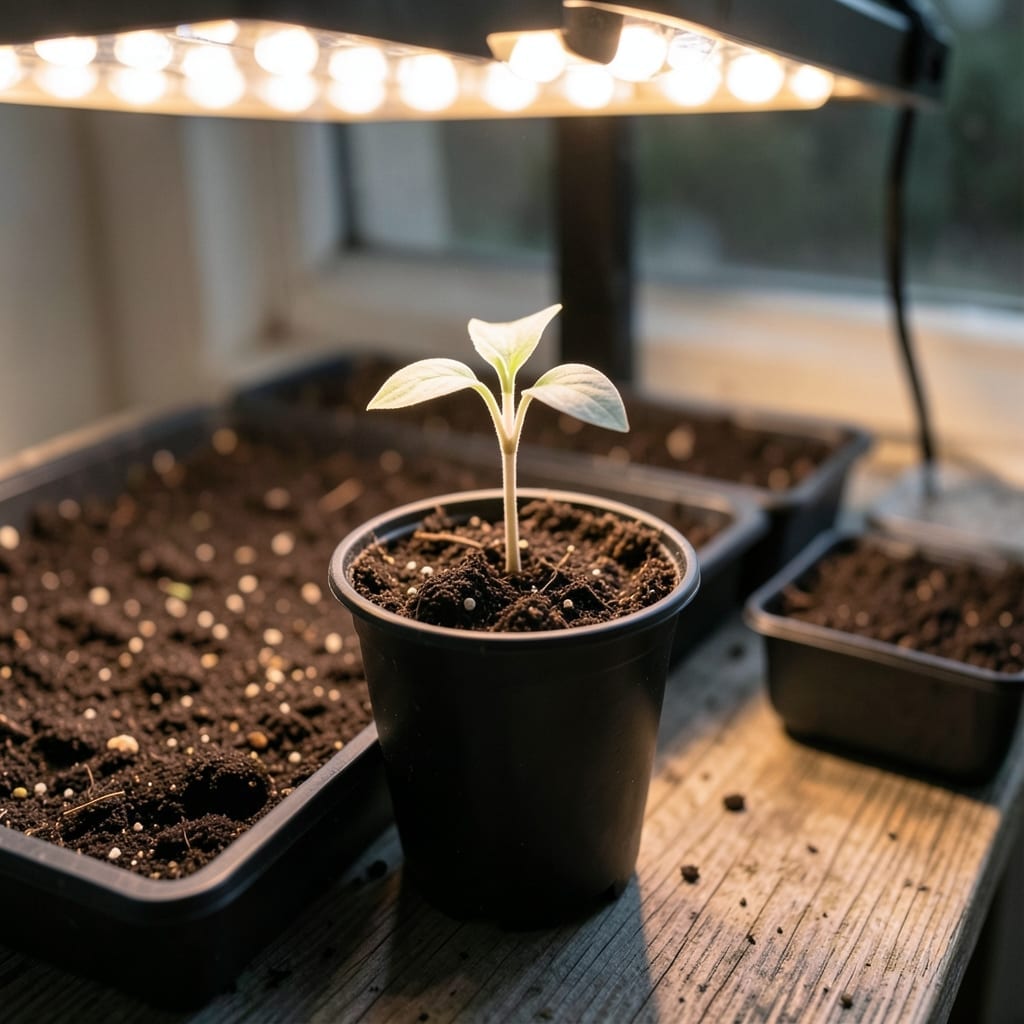
White seedlings aren’t just pale—they’re screaming for help. I’ve lost entire trays overnight to this problem, and the fix always starts with fast diagnosis.
Usually it’s one of three culprits: too much water, not enough light, or a sneaky fungal attack. Each leaves distinct white patterns on stems and leaves that most gardeners miss until it’s too late.
You can turn this around in 24-48 hours with simple adjustments. Thin seedlings, improve airflow, or move them to brighter light—most bounce back faster than you’d expect.
Prevention is easier than cure: use clean soil, avoid overcrowding, and water from below. Your next seed batch will thank you.
When your seedlings start losing their vibrant green color, it’s often a sign of stress or environmental imbalance. Here’s a breakdown of the most common causes, explained simply but scientifically.
Chlorophyll, the pigment responsible for the green hue in plants, can break down or fail to develop due to insufficient light. Seedlings grown in dim or indirect light stretch toward the light source (etiolation), turning pale or white. Without adequate photosynthetically active radiation (PAR), they can’t produce the chlorophyll needed for healthy growth.
Both cold shock and heat stress can disrupt cellular processes. Temperatures below 50°F (10°C) slow down enzyme activity, while heat above 90°F (32°C) can denature proteins. In either case, seedlings may turn white as chlorophyll degrades and new growth fails to pigment properly.
Excess moisture suffocates roots, leading to root rot and poor nutrient uptake. When roots can’t absorb essential minerals like magnesium (a key component of chlorophyll), seedlings lose their green color. Waterlogged soil also promotes fungal growth, which can further damage young plants.
A lack of nitrogen, iron, or magnesium can cause chlorosis (yellowing or whitening of leaves). Nitrogen is vital for chlorophyll synthesis, while iron and magnesium are central to its structure. Without these, seedlings can’t maintain their green pigmentation.
When your seedlings start turning white, quick action can save them. Below are practical fixes for the most common causes, along with prevention tips to keep your garden thriving.
If your seedlings are bleaching under intense light, move them to a spot with indirect sunlight or use shade cloth. Gradually reintroduce light to avoid shock. Prevention tip: Start seedlings in a controlled environment before exposing them to full sun.
White, mushy stems or mold indicate excess moisture. Let the soil dry slightly between waterings and ensure pots have drainage holes. Use a well-draining potting mix. Prevention tip: Water only when the top inch of soil feels dry to the touch.
White fuzzy growth (like damping-off) means fungus is at work. Remove affected seedlings immediately and treat the soil with a natural fungicide (e.g., cinnamon or chamomile tea spray). Improve airflow around plants. Prevention tip: Sterilize seed trays and use fresh soil for each batch.
Extreme cold or heat can cause discoloration. Keep seedlings in a stable environment (ideally 65–75°F). Use a heat mat if nights are chilly. Prevention tip: Monitor temperature fluctuations with a simple thermometer.
Pale or white leaves may signal a lack of nitrogen or other nutrients. Feed seedlings with a balanced organic fertilizer (diluted to half strength). Prevention tip: Test soil before planting and amend with compost.
Pro tip 💡: Always handle seedlings gently—damaged stems or leaves are more susceptible to stress and disease.
Yes, if caught early. Move them to better light, adjust watering, and add nutrients. Most bounce back in 2-3 days once conditions improve.
Lack of light is the usual culprit. Without enough photosynthetically active radiation, chlorophyll can’t form, turning them pale or white.
Fungal diseases like damping-off can kill seedlings quickly. Remove infected plants immediately and improve airflow.
Only after fixing light and water issues. Start with a half-strength organic fertilizer to avoid burning tender roots.