
Beautiful Plants For Your Interior
Beautiful Plants For Your Interior
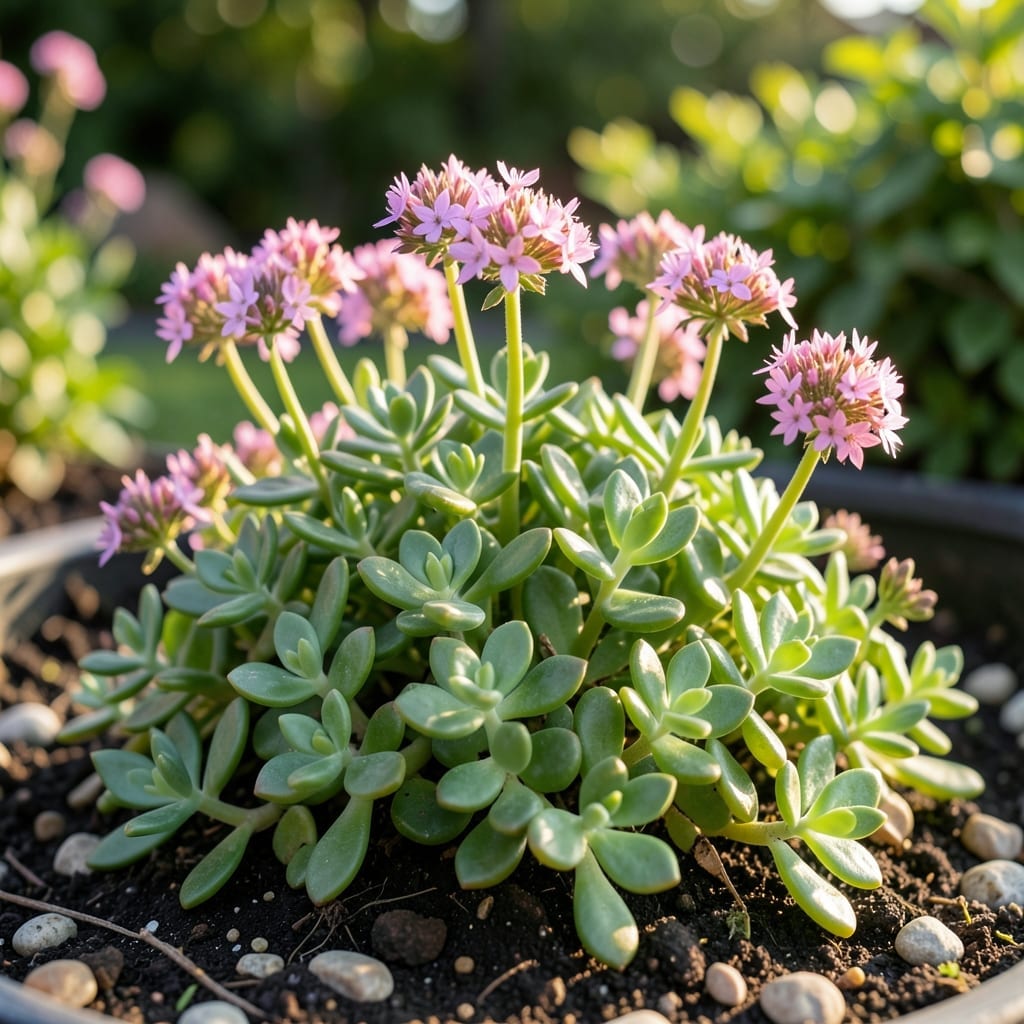
Wondering whether your Sedum 🌿 needs full sun or can thrive in shade? The answer might surprise you.
This hardy plant adapts to various light conditions, but getting it right boosts growth and blooms. Whether your garden basks in sunlight or stays shady, there’s a Sedum for you.
I’ll break down the ideal light needs and share tips to help your Sedum flourish. Let’s discover how to give it the best start.
 Best Window Placement
Most Sedum varieties thrive in full sun, needing 6+ hours of direct light daily for vibrant blooms and compact growth. These sun-lovers include Sedum spectabile and Autumn Joy, which reward you with stunning fall colors.
However, some shade-tolerant Sedums like Sedum ternatum can handle partial shade, especially in hot climates. These adaptable plants still need 3-4 hours of light to prevent leggy growth.
| Sedum Type | Light Requirement | Bloom Quality |
| Sedum spectabile | Full Sun | Excellent |
| Autumn Joy | Full Sun | Very Good |
| Sedum ternatum | Partial Shade | Good |
| Dragon’s Blood | Full Sun to Partial Shade | Very Good |
In my experience, full-sun Sedums produce the most vibrant flowers and maintain their compact shape. These varieties often develop richer foliage colors when exposed to ample sunlight.
For partial shade areas, choose creeping Sedums like Sedum acre. These ground covers spread beautifully with just morning sun and afternoon shade, making them perfect for rock gardens.
Remember that even shade-tolerant Sedums need some light. Too much shade can lead to weak stems and fewer blooms. I’ve seen this firsthand with Sedums planted in deep shade—they become leggy and sparse.
If you’re unsure about your garden’s light, observe it throughout the day. 6+ hours of direct light qualifies as full sun, while 3-6 hours counts as partial shade. This simple test helps match your Sedum to the perfect spot.
The key is understanding your specific Sedum variety. Sun-loving types will struggle in shade, while shade-tolerant varieties may scorch in intense afternoon sun. Always check the plant tag for specific requirements.
I recommend starting with full-sun Sedums in most gardens. They’re generally more drought-tolerant and low-maintenance, thriving in conditions where many other plants would wilt. Their ability to store water in their leaves makes them ideal for sunny, dry spots.
For those with shadier gardens, don’t despair. Sedum ternatum and similar varieties can add beauty to those tricky areas under trees or on north-facing slopes. Just ensure they get enough light to maintain their health and vigor.
☀️Not all Sedum plants have the same light needs. Some thrive in full sun, while others prefer partial shade. Choosing the right variety ensures vibrant growth and abundant blooms in your garden.
I’ve found that sun-loving Sedums like Autumn Joy and Sedum telephium perform best with 6+ hours of direct sunlight. These varieties reward you with bold colors and sturdy stems.
| Variety | Light Needs | Best For |
|---|---|---|
| Autumn Joy | Full Sun | Borders, Pollinators |
| Dragon’s Blood | Full Sun to Partial Shade | Ground Cover, Rock Gardens |
| Sedum ternatum | Partial Shade | Woodland Gardens |
| Angelina | Full Sun | Containers, Edging |
For shady spots, Sedum ternatum is my top pick. This native variety handles partial shade beautifully and produces delicate white flowers that brighten dim areas.
Dragon’s Blood Sedum offers versatility, thriving in both full sun and partial shade. Its red foliage adds year-round interest, and it’s perfect for rock gardens or cascading over walls.
If you want ground cover, Sedum acre spreads quickly in sunny locations. This low-growing variety forms a dense mat and is excellent for suppressing weeds between pavers.
For vertical interest, Autumn Joy grows 1-2 feet tall and creates stunning fall displays. It’s a classic choice for perennial borders and attracts pollinators like bees and butterflies.
🌿