
Beautiful Plants For Your Interior
Beautiful Plants For Your Interior
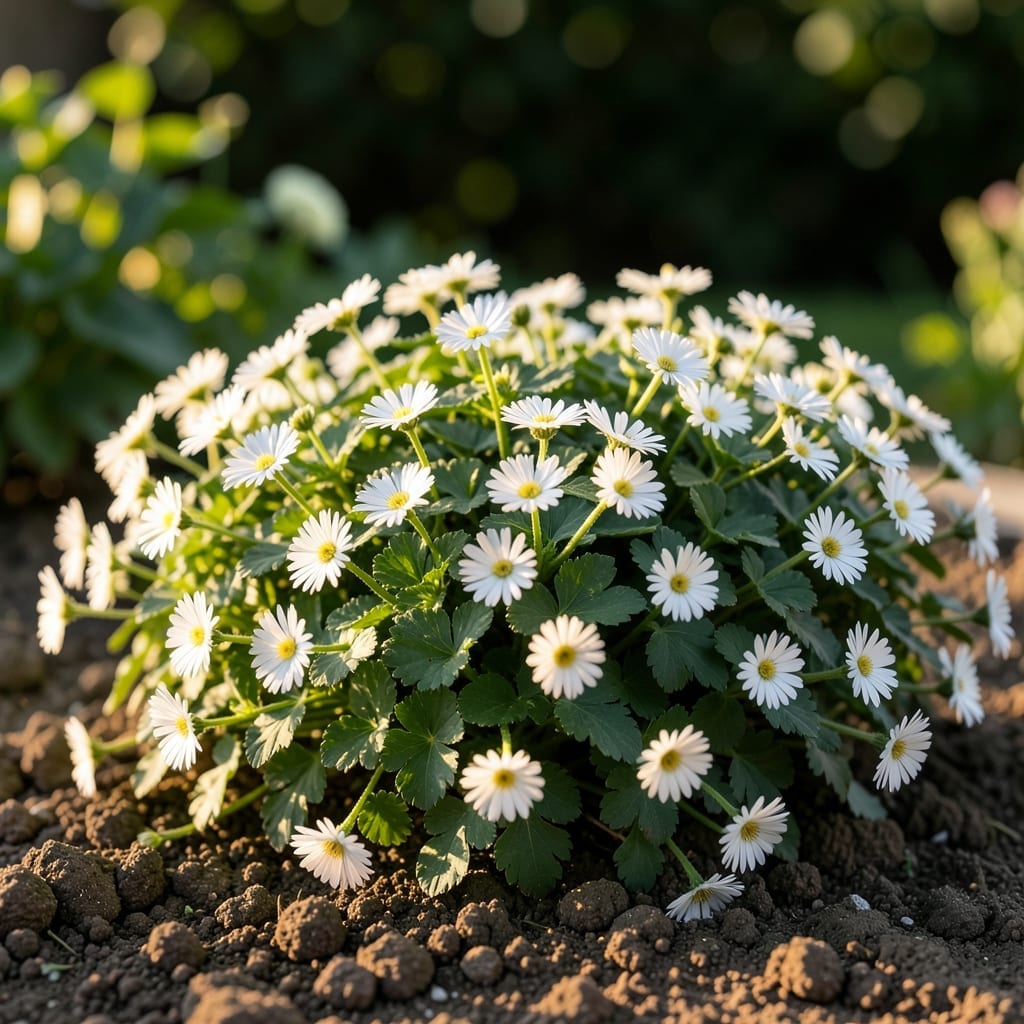
My first summer with Whirlwind White scaevola changed everything. This tough little plant laughed at the 100°F heat while everything else wilted, and the white fan-shaped blooms just kept coming.
It thrives in full sun with minimal fuss—just well-draining soil and occasional water. The real payoff is watching those delicate flowers attract pollinators all season long without deadheading.
📚 In This Guide
This heat-loving plant rewards you with cascading white blooms when given the right conditions.
Choose a spot with full sun exposure, as this variety thrives in 6+ hours of direct sunlight daily. I’ve found it tolerates partial shade but produces far fewer flowers. The soil should be well-draining—soggy roots will quickly kill scaevola.
Test drainage by digging a 12-inch deep hole and filling it with water. If it doesn’t drain within 30 minutes, amend with compost or choose a raised bed. This plant hates wet feet more than most.
Space plants 12-18 inches apart to allow for their spreading habit. Dig a hole just slightly larger than the root ball, place the plant at the same depth it was in its container, and backfill with native soil. Tamping down too hard can suffocate roots.
I always water immediately after planting to settle the soil and eliminate air pockets. You’ll see the plant perk up within 24 hours if it’s happy with its new home. Don’t fertilize yet—wait until you see new growth.
Water deeply 2-3 times weekly for the first month, then reduce to once weekly once established. Scaevola is drought-tolerant, but consistent moisture produces the best blooms. Let the top 1-2 inches of soil dry between waterings.
The trick is watering at the base, not overhead. Wet foliage invites powdery mildew, especially in humid climates. I use a drip irrigation system for precision. Morning watering allows foliage to dry before evening.
Deadhead spent flowers every 2-3 weeks to encourage new blooms. Simply pinch off the faded flowers just above a set of leaves. This variety is self-cleaning, but a little pruning keeps it looking tidy and promotes branching.
For a bushier shape, trim back leggy stems by one-third in mid-summer. You’ll notice new growth within 7-10 days. Avoid heavy pruning after early fall—the plant needs time to recover before cooler weather.
Apply a balanced, water-soluble fertilizer every 4-6 weeks during the growing season. I use a 10-10-10 formula diluted to half strength. Over-fertilizing leads to leafy growth at the expense of flowers.
Stop fertilizing 6 weeks before your first expected frost. This allows the plant to harden off naturally. You’ll see a flush of new growth after each feeding, followed by a wave of fresh blooms within 2 weeks.
Small adjustments make a big difference with this heat-loving plant.
Sunlight Priority: The 6+ hours of daily sun mentioned in Step 1 isn’t just a suggestion—this variety will produce dramatically fewer blooms in partial shade. I learned this the hard way when my first planting barely flowered in a spot that only got afternoon sun.
Drainage Test Insight: That 30-minute drainage test in Step 1 is critical. If water lingers longer, don’t just amend the soil—consider raised beds. Scaevola’s roots rot surprisingly quickly in damp conditions, even if the soil seems fine to the touch.
Watering Precision: The 2-3 times weekly schedule in Step 3 works best with morning watering. I’ve found that evening watering, even at the base, can still lead to fungal issues in humid climates. And that 1-2 inch dry soil rule? Use your finger to test—visual checks can be deceiving.
Pruning Timing: When trimming in Step 4, remember that 7-10 day regrowth period. If you prune too late in the season, you might not get new blooms before frost. Also, deadheading every 2-3 weeks keeps the plant looking its best and prevents self-seeding where you don’t want it.
Water deeply 1-2 times per week, allowing the soil to dry slightly between waterings. Avoid overwatering, as this plant is drought-tolerant once established.
This variety blooms continuously from late spring until the first frost, thriving in hot weather. Deadheading isn’t necessary for reblooming.
Yes! Scaevola Whirlwind White adapts well to containers. Use well-draining soil and place in full sun for best results. Ideal for hanging baskets or patio pots.
Yellowing leaves often signal overwatering or poor drainage. Check soil moisture and ensure containers have drainage holes to prevent root rot.
Try Lobelia or Calibrachoa for trailing white flowers. Both share heat tolerance and low-maintenance traits.