
Beautiful Plants For Your Interior
Beautiful Plants For Your Interior
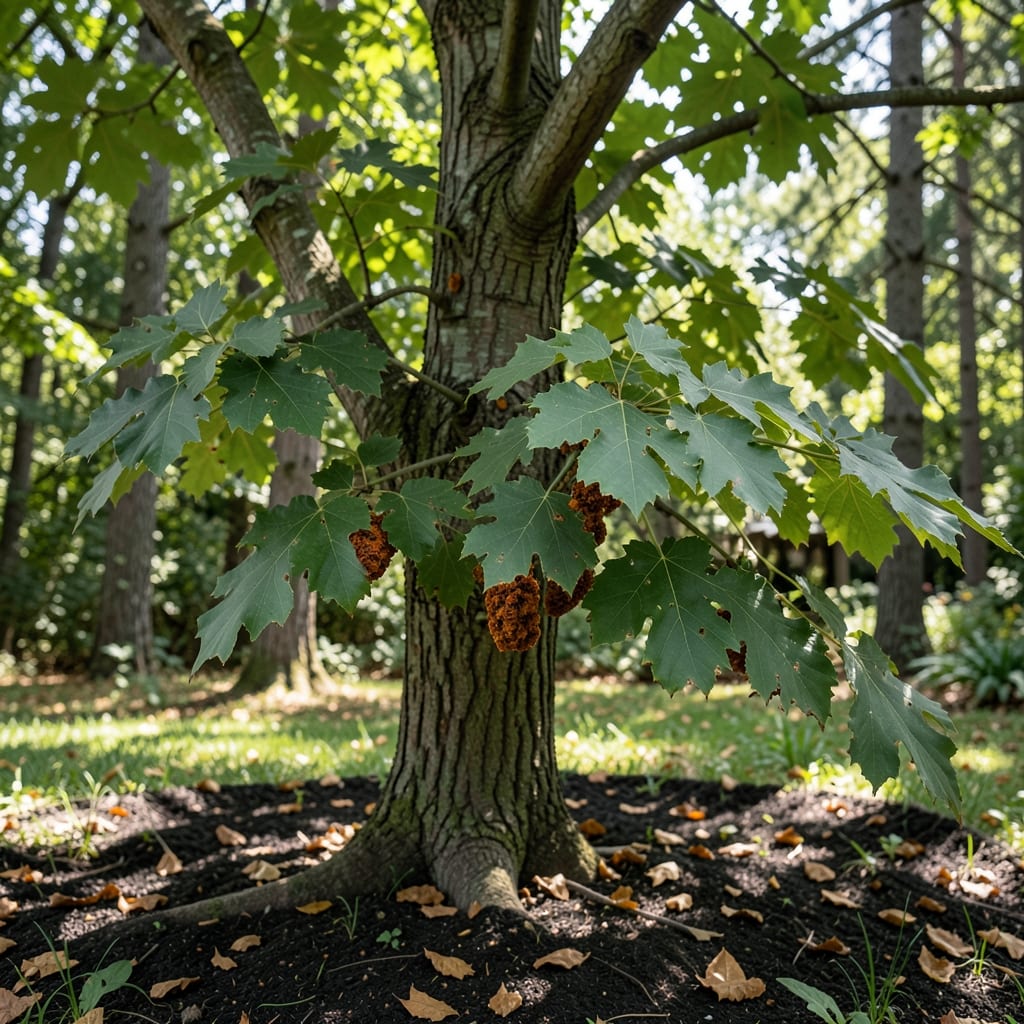
Spotted orange splotches on your tree leaves? That’s rust, and it’s spreading faster than you think. I’ve dealt with this in my own garden, and catching it early makes all the difference.
Rust isn’t just ugly—it weakens trees by stealing nutrients and blocking sunlight. Left untreated, it can defoliate branches or even kill young trees. The good news? Natural remedies work if you start now.
You’ll see the first signs as yellow-orange spots on leaves, often with pustules underneath. It loves wet conditions, so spring and fall are prime time for outbreaks.
With the right approach, your trees can recover and stay healthier next season. Here’s how to stop it in its tracks.
Tree rust diseases are primarily triggered by fungal pathogens, but several environmental and biological factors contribute to their development. Here’s a breakdown of the key causes:
The most common culprits are Puccinia, Gymnosporangium, and Uromyces species. These fungi thrive in moist conditions and infect trees through spores that land on leaves, stems, or bark. They disrupt cellular function, leading to the characteristic rust-colored pustules.
Prolonged wetness—from rain, dew, or poor drainage—creates the perfect breeding ground for rust fungi. Trees in humid climates or overwatered landscapes are especially vulnerable. Fungal spores germinate and spread rapidly in these conditions.
Dense canopies or crowded plantings restrict airflow, trapping moisture around foliage. This stagnation accelerates fungal growth, as spores need still, damp air to infect. Pruning for better ventilation can help mitigate this.
Some trees, like pines, cedars, and fruit-bearing varieties (e.g., apple or pear), are genetically predisposed to rust infections. These species often lack natural resistance, making them easy targets for specific rust fungi.
Stressed trees—due to drought, nutrient deficiencies, or physical damage—are more susceptible. A compromised immune system reduces their ability to fend off fungal invaders, allowing rust to take hold.
Tackling rust in trees starts with identifying the cause and applying the right fix. Here’s a clear, action-packed guide to restoring your tree’s health.
If you spot orange or yellow rust-like spots on leaves, prune the affected branches immediately. Disinfect your tools with rubbing alcohol between cuts to prevent spreading. Apply a copper-based fungicide or neem oil spray to the tree, focusing on both sides of the leaves. For severe cases, repeat every 7–10 days until the issue clears.
Prevention tip: 💡 Improve airflow around the tree by thinning out dense foliage and avoiding overhead watering.
Rust thrives in damp, stagnant conditions. Space out trees and shrubs to allow better airflow. Remove weeds and debris around the base, as they can trap moisture. If your tree is in a particularly humid area, consider mulching with organic material to reduce soil splashing onto leaves.
Prevention tip: ✨ Water trees at the base in the early morning so leaves dry quickly in the sunlight.
Weak trees are more susceptible to rust. Test your soil for deficiencies, particularly in nitrogen or potassium. Amend the soil with compost or a balanced fertilizer to strengthen the tree’s natural defenses. For a quick fix, use a foliar spray with seaweed extract to deliver nutrients directly to the leaves.
Prevention tip: 🎯 Maintain a consistent fertilizing schedule, especially during the growing season.
Too much water can create the perfect breeding ground for rust. Reduce watering frequency and ensure your tree’s soil has good drainage. If the area is prone to waterlogging, consider installing a simple French drain or raising the planting bed.
Prevention tip: 🌡️ Use a moisture meter to check soil conditions before watering—only water when the top 1–2 inches are dry.
Yes, rust spores can spread to nearby susceptible plants. Remove infected leaves and branches immediately to contain it.
Baking soda mixed with water and a drop of soap can help as a mild fungicide. Apply weekly, but for severe cases, commercial fungicides work better.
With proper treatment, new growth should appear rust-free within 2-4 weeks. Full recovery depends on the tree’s health and how early you addressed the issue.
Improve airflow, avoid overhead watering, and keep the area clean of fallen leaves. Apply a preventative fungicide in early spring before spores activate.