
Beautiful Plants For Your Interior
Beautiful Plants For Your Interior
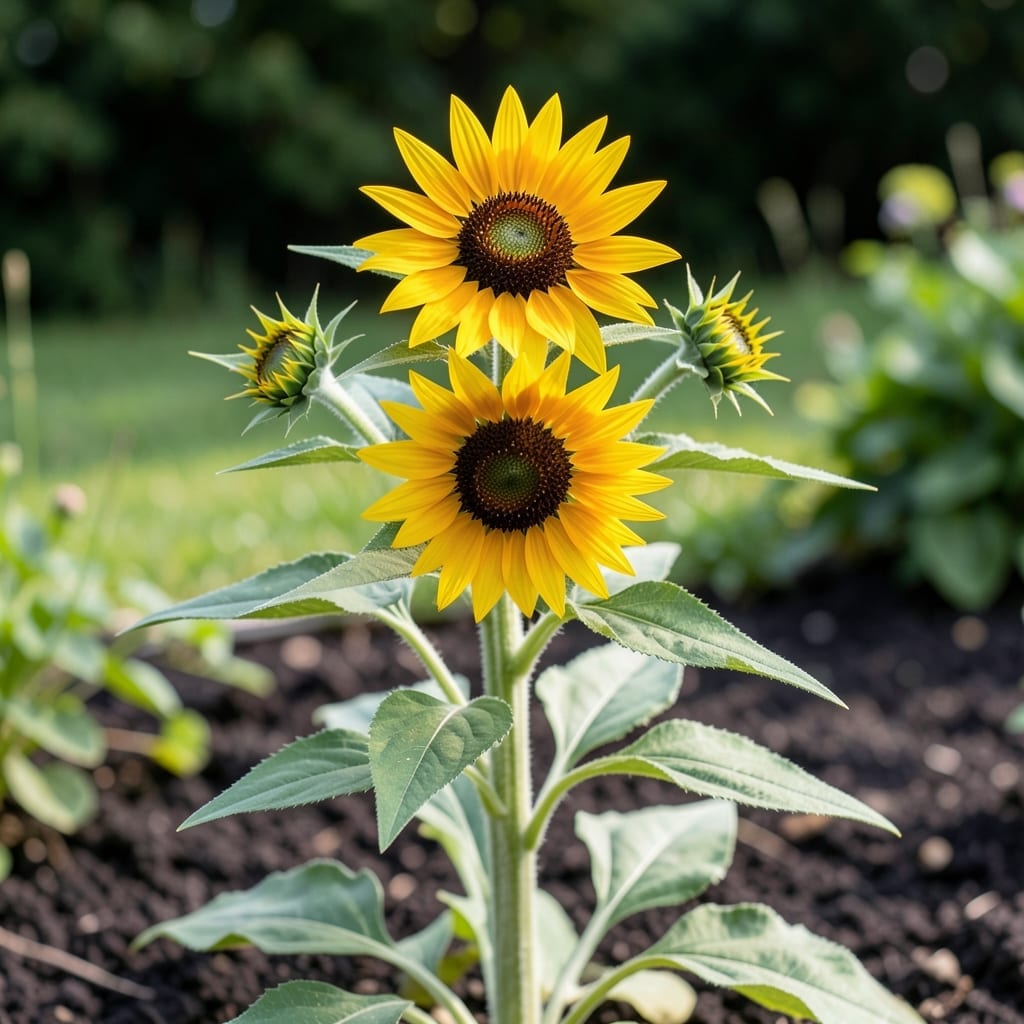
That bold yellow center on your rudbeckias should be screaming for attention, not fading into the background. I’ve seen these flowers transform from dull to dazzling with just a few organic tweaks.
The key is understanding what these plants crave—well-draining soil, full sun, and a little breathing room. Crowd them too close and those centers lose their punch. A simple adjustment to spacing and sunlight can bring back that vibrant pop.
Within 2-3 weeks of the right care, you’ll notice the difference. The petals deepen in color, and that yellow heart glows like it’s lit from within. It’s the kind of change that makes neighbors stop and stare.
No fancy chemicals, no complicated routines. Just smart, natural solutions that let rudbeckias do what they do best—shining bright in your garden.
The yellowing of a Rudbeckia’s center, often called green disc florets turning yellow, is usually a sign of stress or disease. Below are the most common causes, explained in clear, actionable terms.
Fungi like Septoria thrive in wet, humid conditions. They attack the plant’s foliage and can spread to the flower’s center, causing yellow or brown discoloration. Overhead watering and poor air circulation are major contributors. Solution: Water at the base, space plants properly, and remove infected debris.
Rudbeckias prefer well-drained soil. Soggy roots lead to root rot, which restricts nutrient uptake, often resulting in a yellowing center. Check soil moisture before watering—stick your finger an inch deep. If it’s damp, hold off. Solution: Improve drainage with compost or raised beds.
A lack of nitrogen, magnesium, or iron can cause chlorosis (yellowing) in the center. Nitrogen deficiency often yellows older leaves first, while magnesium or iron shortages hit new growth and flower centers. Solution: Test soil and amend with a balanced organic fertilizer or Epsom salt (for magnesium).
Sap-sucking pests like aphids or spider mites weaken the plant, leading to stressed, yellow centers. Check undersides of leaves for tiny bugs or webbing. Solution: Blast pests off with water or apply neem oil.
If your rudbeckias are sporting unsightly yellow centers instead of their usual rich brown or black, don’t panic—this is often fixable! Below are targeted solutions for the most common causes, along with prevention tips to keep your blooms vibrant all season long.
Yellow centers can signal a phosphorus deficiency or excess nitrogen. Switch to a balanced, low-nitrogen fertilizer (like 5-10-10) and apply it every 4–6 weeks during the growing season. For a quick organic fix, mix bone meal into the soil at planting or top-dress with compost.
Prevention: Test your soil annually and amend with phosphorus-rich organic matter before planting.
Soggy soil suffocates roots and disrupts nutrient uptake, leading to discolored centers. Water deeply but infrequently—aim for 1–1.5 inches per week, including rainfall. Ensure your rudbeckias are planted in well-draining soil, and avoid overhead watering to prevent fungal issues.
Prevention: Mulch with straw or bark to retain moisture without waterlogging.
Rudbeckias thrive in full sun. If yellow centers appear alongside leggy stems, your plants may be starved for light. Transplant them to a sunnier spot (6+ hours of direct sunlight daily) or trim back nearby shrubs casting shade.
Prevention: Site rudbeckias in the sunniest part of your garden from the start.
Aphids, spider mites, or septoria leaf spot can stress plants, causing center discoloration. Spray infestations with neem oil or insecticidal soap, and remove heavily damaged foliage. For fungal issues, improve air circulation and avoid wetting leaves.
Prevention: Space plants 18–24 inches apart for airflow, and clean up garden debris in fall.
💡 Pro Tip: Deadhead spent blooms regularly to encourage healthy new growth and reduce pest hiding spots!
They thrive in full sun, requiring at least 6-8 hours of direct sunlight daily. Less light can lead to weak stems and pale centers.
Space plants 18-24 inches apart to ensure proper air circulation. Crowding can cause fungal issues and stress the blooms.
Apply a balanced, low-nitrogen fertilizer every 4-6 weeks during the growing season. Avoid over-fertilizing, which can harm the plant.
Yes, but use large pots with drainage holes. Fill with well-draining soil and place in a sunny spot. Water when the top inch feels dry.