
Beautiful Plants For Your Interior
Beautiful Plants For Your Interior
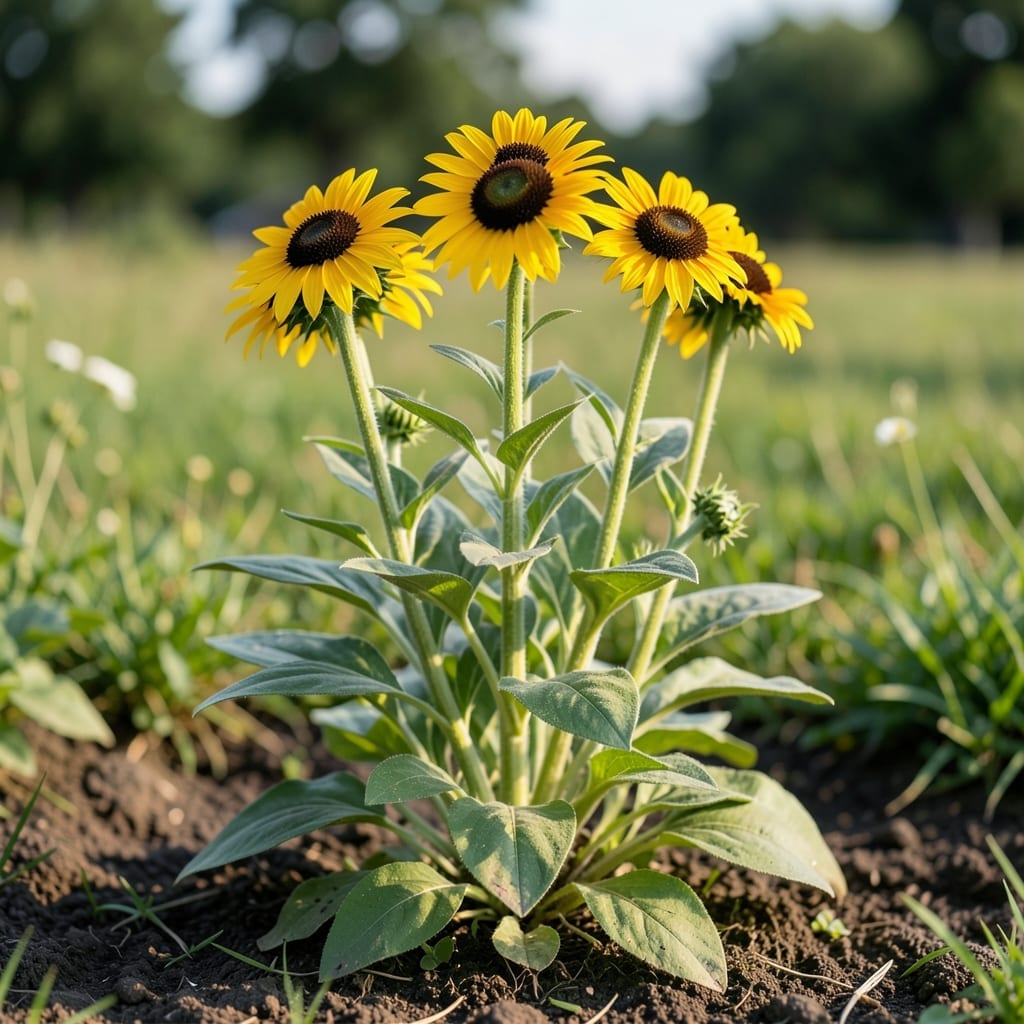
Those bright yellow blooms come with a hidden side—Rudbeckia hirta leaves can cause skin irritation for some. I learned this the hard way after a day of deadheading without gloves.
It’s not dangerous, but the sap may trigger rashes in sensitive people. Always wear long sleeves and wash up after handling. The plant itself remains a garden favorite, just needs careful contact.
📚 In This Guide
Here’s how I manage this plant while minimizing any risks to myself or others.
Familiarize yourself with Rudbeckia hirta’s distinct appearance. The leaves are typically 3-5 inches long, lance-shaped, and covered in fine hairs. They grow in a basal rosette at the plant’s base, with additional leaves alternating along the stem.
I always double-check identification before handling, as some lookalike species may have different toxicity levels. The coarse texture and slightly rough edges of the leaves are key visual cues. When in doubt, consult a field guide or gardening app for confirmation.
Put on long sleeves, gardening gloves, and eye protection before touching the plant. Rudbeckia hirta leaves can cause skin irritation in sensitive individuals, and accidental eye contact may lead to discomfort.
I’ve found that nitrile-coated gloves offer the best balance of dexterity and protection. If you’re working in a windy area, consider a wide-brimmed hat to prevent leaves or seeds from brushing against your face.
Use clean, sharp pruning shears to remove leaves or stems. Cut at the base of the leaf where it meets the stem to avoid tearing, which can release more of the plant’s natural compounds.
Never crush or bruise the leaves, as this increases exposure to the plant’s oils. I place removed foliage directly into a sealed bag or container to prevent accidental contact with skin or pets.
After working with Rudbeckia hirta, wash your hands with soap and warm water for at least 20 seconds. Pay special attention to areas that may have touched your face or other sensitive skin.
Clean your tools with a 10% bleach solution or rubbing alcohol to remove any residual plant material. I keep a dedicated towel for drying tools after cleaning to avoid cross-contamination with other garden surfaces.
Place all trimmings, leaves, or other plant debris in a sealed plastic bag before disposing of them in the trash. Do not compost Rudbeckia hirta leaves, as the compounds may persist and pose a risk if the compost is later used on edible plants.
If you’re removing large amounts of the plant, wear a dust mask to avoid inhaling fine particles. I also recommend rinsing the area with water afterward to remove any lingering plant material from the soil surface.
Handling this plant safely requires attention to detail and proper precautions.
Identification Accuracy: Confession: I skipped proper identification once and paid the price. Always verify Rudbeckia hirta by its 3-5 inch lance-shaped leaves with fine hairs. The basal rosette pattern is a dead giveaway, but when in doubt, use that field guide. Misidentification could mean handling the wrong plant entirely.
Protection Priority: The combination of long sleeves, gardening gloves, and eye protection in Step 2 isn’t optional. I learned the hard way that even brief skin contact can cause irritation in sensitive individuals. Nitrile-coated gloves give you the dexterity to handle the plant while maintaining protection.
Containment Strategy: Never underestimate the importance of immediate containment in Step 3. Placing removed foliage directly into a sealed bag prevents accidental contact with skin, pets, or other surfaces. Crushed leaves release more oils, so always cut cleanly at the base and handle gently.
Cleanup Protocol: The 20-second handwashing rule in Step 4 exists for a reason. I use warm water and soap, paying extra attention to nail beds and between fingers where plant oils can linger. For tools, that 10% bleach solution is non-negotiable—it’s the only way to ensure complete removal of residual compounds.
Yes, Rudbeckia hirta (black-eyed Susan) leaves contain mild toxins that can cause skin irritation or digestive upset if ingested. Always wear gloves when handling and avoid consumption.
Contact your vet immediately. While not highly toxic, the leaves may cause vomiting or diarrhea in pets. Monitor for symptoms and keep the plant out of reach.
Yes, but remove seed heads first to prevent unwanted spread. The leaves break down well in compost, but avoid using it on edible plants if you’re cautious about toxins.
Wash the affected area with soap and water. Apply a mild steroid cream or take an antihistamine if itching persists. Seek medical advice for severe reactions.
Yes! Consider marigolds, sunflowers, or zinnias for similar color without toxicity concerns. Always research plant safety before adding to pet-friendly spaces.