
Beautiful Plants For Your Interior
Beautiful Plants For Your Interior
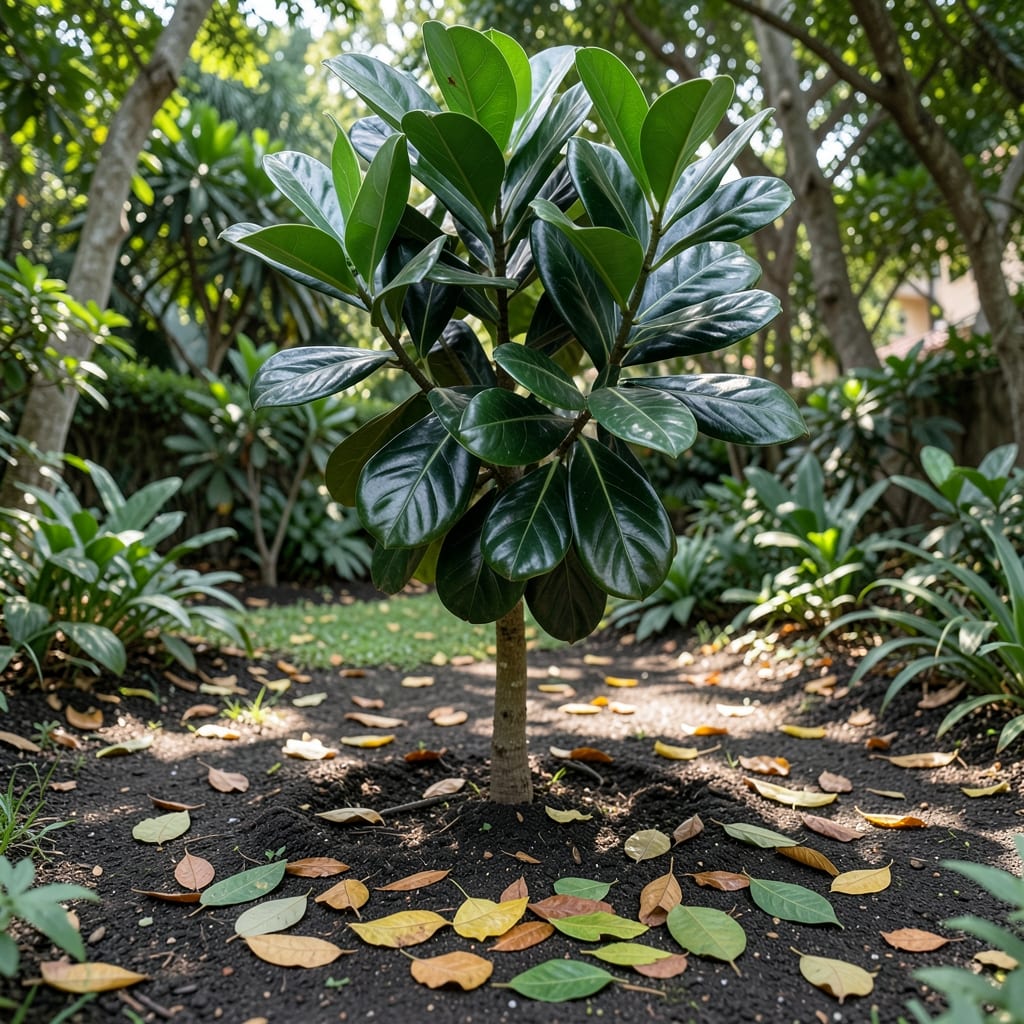
Watching rubber plant leaves drop feels like a slow-motion crisis. We’ve been there—staring at another fallen leaf, wondering what went wrong this time.
Most often, it’s not one big mistake but a combination of small issues. Overwatering, low light, or sudden temperature changes can all trigger the problem. The good news? These are easy fixes once you know what to look for.
With a few adjustments to your care routine, you’ll see new growth returning in 2-3 weeks. Your plant will bounce back stronger, and you’ll feel like you’ve cracked the code.
Prevention is simpler than you think. Consistency in watering and light will keep your rubber plant thriving for years. Let’s get to the root of it.
Understanding why your rubber plant (Ficus elastica) is shedding leaves starts with recognizing the most common stressors. Below are the primary causes, each with actionable insights to diagnose the issue.
Rubber plants thrive in stable environments (65–80°F / 18–27°C). Sudden temperature drops, cold drafts from windows or AC, or heat sources like radiators can trigger leaf abscission—a survival response to conserve energy. Even a brief exposure below 50°F (10°C) can cause irreversible damage.
Excess moisture suffocates roots, leading to root rot (often caused by Phytophthora or Pythium fungi). Soggy soil prevents oxygen uptake, starving the plant. Signs include yellowing leaves, mushy stems, and a foul odor. Always use pots with drainage holes and well-aerating soil mixes.
Too little light weakens the plant, causing leaf drop as it redirects energy to survive. Conversely, direct harsh sunlight (especially afternoon rays) can scorch leaves, leading to brown crispy patches before they fall. Bright, indirect light is ideal for healthy growth.
A lack of essential nutrients—particularly nitrogen (for foliage), magnesium (central vein yellowing), or iron (interveinal chlorosis)—can stress the plant. Test soil pH (aim for 6.0–7.0); imbalances can lock out nutrients even if they’re present.
Sap-sucking pests like spider mites, scale, or mealybugs weaken the plant by disrupting nutrient flow. Severe infestations cause leaves to yellow, curl, and drop. Inspect undersides of leaves and stems for webbing, sticky residue, or tiny bumps.
If your rubber plant is shedding leaves, don’t panic—most issues are fixable with the right care. Below are targeted solutions for common causes, along with prevention tips to keep your plant thriving.
Fix: Check the soil moisture by sticking your finger 1-2 inches deep. If it’s soggy, let it dry out completely before watering again. If it’s bone-dry, give it a thorough drink until water drains from the bottom. Adjust your watering schedule based on the season—less in winter, more in summer.
Prevention: Use a well-draining potting mix and a pot with drainage holes. Water only when the top inch of soil feels dry.
Fix: Move your rubber plant to a spot with bright, indirect light. If leaves are scorched (brown, crispy edges), it’s getting too much direct sun. If leaves are yellowing or dropping, it needs more light. A north- or east-facing window is ideal.
Prevention: Rotate the plant occasionally for even light exposure and avoid sudden changes in lighting conditions.
Fix: Keep your rubber plant in a stable environment between 60–75°F (15–24°C). Avoid placing it near drafty windows, AC vents, or heaters. If it’s been exposed to cold drafts, trim damaged leaves and move it to a warmer spot.
Prevention: Maintain consistent temperatures and avoid sudden fluctuations. Use a pebble tray with water to add humidity if the air is too dry.
Fix: If leaves are yellowing (especially lower ones), your plant may need nutrients. Use a balanced, water-soluble houseplant fertilizer diluted to half strength every 4–6 weeks during growing season. If you’ve over-fertilized, flush the soil with water to remove excess salts.
Prevention: Fertilize sparingly—rubber plants don’t need heavy feeding. Repot every 1–2 years with fresh soil to replenish nutrients.
Fix: Inspect the leaves (especially undersides) for pests like spider mites, mealybugs, or scale. Wipe leaves with a damp cloth or spray with a mild solution of water and neem oil. For severe infestations, use insecticidal soap.
Prevention: Regularly clean leaves with a damp cloth to deter pests. Isolate new plants for a few weeks before introducing them to your collection.
Water when the top 1-2 inches of soil feel dry. This typically means every 7-10 days, but adjust for your home’s humidity and season. Always check the soil first to avoid overwatering.
Yes! With proper care, new growth appears in 2-3 weeks. Focus on consistent light, water, and temperature to help it bounce back. Trim damaged leaves to redirect energy.
Bright, indirect light is ideal. Avoid harsh direct sun, which can scorch leaves. A north- or east-facing window works perfectly for most homes.
Yellowing often signals overwatering or nutrient deficiency. Check your watering habits and consider a balanced fertilizer. If the soil smells foul, root rot may be the issue.