
Beautiful Plants For Your Interior
Beautiful Plants For Your Interior
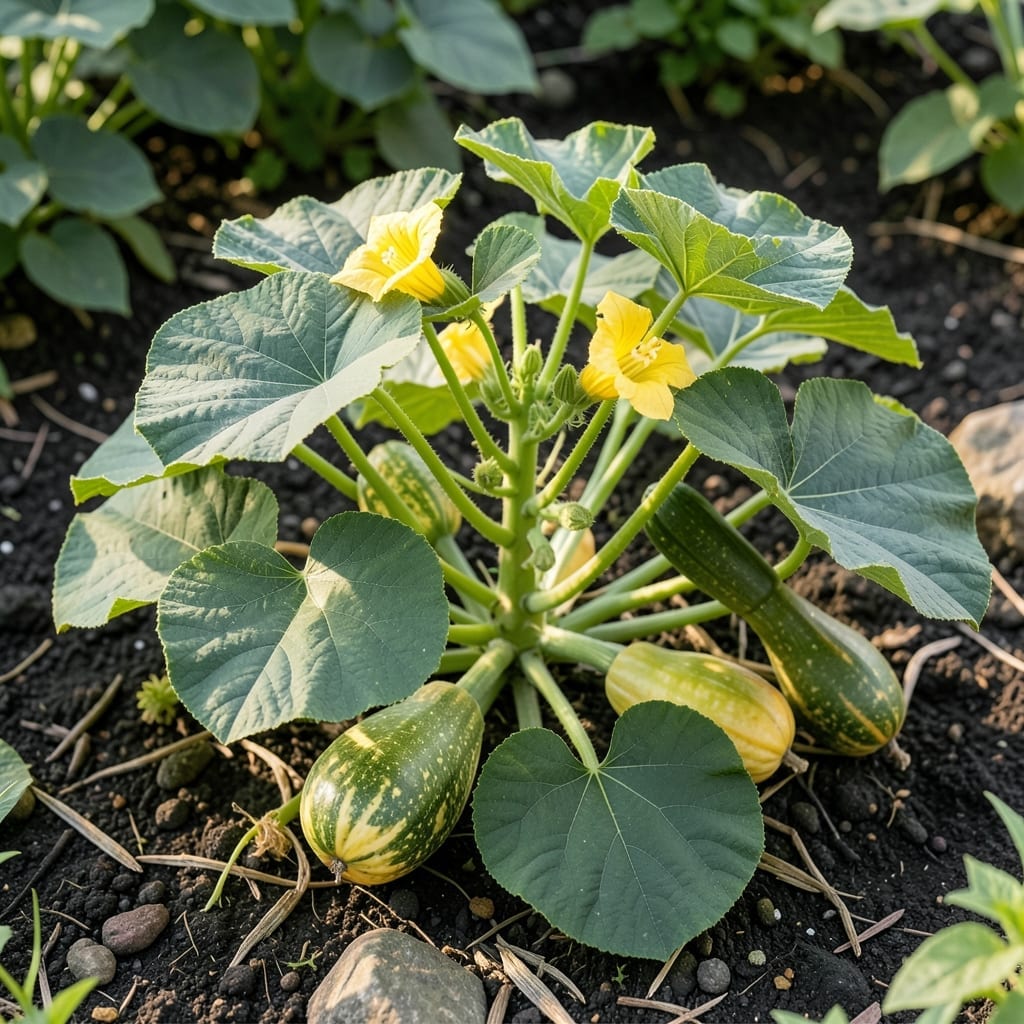
Those perfectly round squash leaves had me stumped last season. Turns out, they’re often the first sign your plants are struggling with something invisible.
I noticed mine when the vines stopped growing and the leaves turned unusually round. After some digging, I realized it wasn’t just one issue—it could be pests, disease, or even what’s missing from the soil.
Once I identified the cause, the fix was simpler than I expected. The plants rebounded within 2 weeks with the right treatment, and the leaves returned to their normal shape.
Here’s how to spot the early signs and keep your squash on track for a healthy harvest this year.
Round squash leaves often signal underlying issues affecting your plant’s health. Here are the most common causes, explained scientifically:
Pathogens like Podosphaera xanthii (powdery mildew) or Pseudoperonospora cubensis (downy mildew) disrupt cellular function, causing abnormal leaf growth. Fungal spores thrive in high humidity (70%+) and poor air circulation, leading to stunted, rounded leaves as the plant’s energy diverts to defense.
Sap-sucking pests such as aphids, spider mites, or whiteflies damage leaf tissue, triggering curling and rounding as a stress response. Their feeding reduces chlorophyll production, further distorting growth. Check leaf undersides for webbing or sticky residue (honeydew).
Extreme temperatures (below 50°F or above 90°F) or inconsistent watering (drought/overwatering) disrupt cellular turgor pressure. Leaves may curl inward to conserve moisture, appearing rounded. Heat stress also accelerates ethylene production, a hormone that inhibits normal leaf expansion.
A lack of nitrogen (critical for leaf development) or calcium (essential for cell wall structure) can cause misshapen growth. Nitrogen deficiency often yields pale, rounded leaves, while calcium deficiency leads to cupping and brittle edges. Test soil pH (ideal: 6.0–6.8); imbalances reduce nutrient uptake.
Round squash leaves are often a sign of underlying issues, but these practical fixes can restore your plant’s health quickly.
Yellowing or stunted round leaves often signal a lack of nitrogen or magnesium. Fix: Apply a balanced, water-soluble fertilizer (10-10-10) or add compost around the base. For magnesium, sprinkle 1 tablespoon of Epsom salt per gallon of water and spray on leaves. Prevention: Test soil annually and amend with organic matter before planting.
Soggy soil can cause leaves to curl and round as roots suffocate. Fix: Let the top 1-2 inches of soil dry out before watering again. Ensure pots have drainage holes. Prevention: Water deeply but less frequently—early morning is ideal. Use mulch to retain moisture without waterlogging.
Pests like aphids or squash bugs can deform new growth, leading to rounded leaves. Fix: Blast pests off with a strong water spray or apply neem oil weekly. Remove heavily infested leaves. Prevention: Plant companion herbs like basil or marigolds to deter pests naturally. Inspect leaves weekly for early signs.
Extreme heat or cold can stunt leaf development. Fix: Use shade cloth (30-50%) during peak sun or row covers for cold snaps. Prevention: Plant squash in a spot with consistent temperatures (70-85°F) and avoid late-season planting in short-growing regions.
💡 Pro Tip: Always sterilize pruning tools between cuts to avoid spreading disease when removing damaged leaves!
Inconsistent watering or extreme temperatures often trigger curling. Drought stress makes leaves round up to conserve moisture, while heat above 90°F accelerates ethylene production, stunting normal growth.
Check the undersides of leaves for tiny insects, webbing, or sticky residue called honeydew. Aphids and spider mites are common culprits that cause leaves to curl and round as they feed.
Yes! Apply a balanced 10-10-10 fertilizer or compost for nitrogen. For magnesium, mix 1 tablespoon of Epsom salt per gallon of water and spray on leaves for fast absorption.