
Beautiful Plants For Your Interior
Beautiful Plants For Your Interior
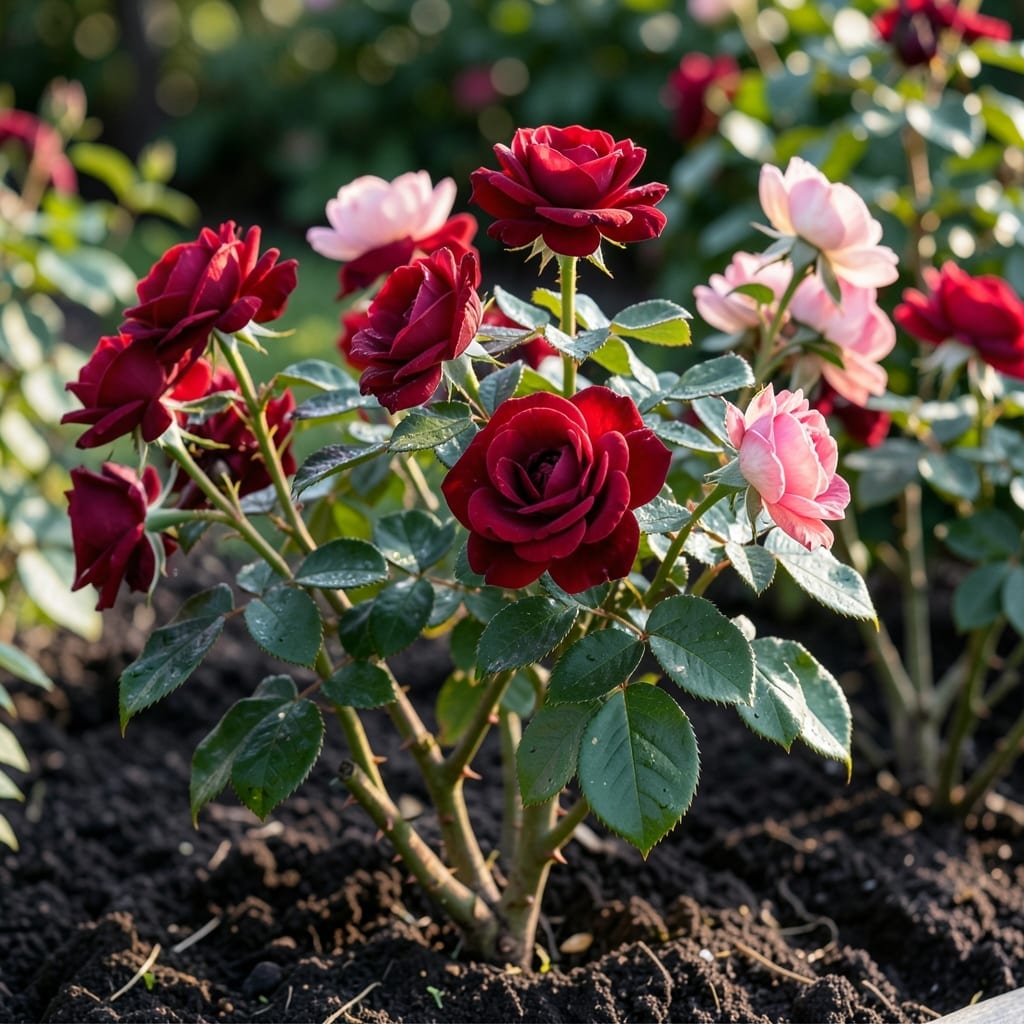
Seven leaves on a rose bush caught my eye last season. It’s unusual, and I wanted to know why—whether it’s a natural quirk or something that needs attention.
Turns out, it could be genetic, a stress response, or even a sign of pest damage. Most roses have five, but nature doesn’t always follow the rules.
I dug into the causes and found simple ways to check if it’s harmless or a red flag. Sometimes, it’s just a fascinating mutation.
Other times, it’s your plant’s way of saying it needs a little help. Here’s how to tell the difference.
Roses typically grow with five leaflets, so discovering a stem with seven can spark curiosity. This unusual trait isn’t random—it’s often tied to specific biological or environmental factors. Below are the most common causes, explained in clear, actionable terms.
Some roses naturally develop extra leaflets due to spontaneous genetic mutations. These mutations can alter the plant’s growth pattern, leading to variations like seven-leaf clusters. While rare, certain heirloom or wild rose varieties are more prone to this trait. If you notice multiple stems with seven leaves, the plant may carry a stable genetic quirk.
Stressors like drought, extreme temperatures, or nutrient deficiencies can trigger abnormal growth. When a rose bush struggles to access water or essential minerals (e.g., nitrogen or potassium), it may produce extra leaflets as a survival response. Check soil conditions and adjust watering or fertilization to restore balance.
Improper pruning or physical damage (e.g., insect bites, disease) can disrupt a rose’s normal growth cycle. The plant may compensate by sprouting additional leaves to maximize photosynthesis. Always use sterilized tools and prune at a 45-degree angle to minimize stress.
Herbicides, pesticides, or even excessive fertilizers can interfere with a rose’s development. Chemical burns or systemic absorption may cause fasciation—a condition where stems flatten and produce abnormal leaf clusters. Avoid over-applying garden chemicals and rinse plants if accidental exposure occurs.
If the seven-leaf trait persists without other symptoms, it’s likely harmless. But if accompanied by wilting or discoloration, investigate further to rule out disease or pests.
If your roses are producing clusters of seven leaves, it’s often a sign of stress or imbalance. Here’s how to address the most common causes and bring your plant back to its natural five-leaflet state.
Too much nitrogen can trigger excessive leaf growth. Flush the soil with water to remove excess nutrients, then switch to a balanced fertilizer (10-10-10) and follow the recommended dosage. Avoid fertilizing during extreme heat or drought.
Inconsistent light or temperature swings can confuse the plant. Ensure your roses get 6–8 hours of sunlight daily. If growing in pots, move them to a stable spot away from cold drafts or scorching midday heat. Use shade cloth in peak summer if needed.
Overwatering or underwatering stresses the plant. Check soil moisture by inserting your finger 2 inches deep—water only if dry. Use a drip irrigation system to maintain consistent moisture without wetting the foliage, which can invite disease.
Remove any seven-leaflet stems at the base to encourage healthy regrowth. Disinfect your pruners with rubbing alcohol between cuts to prevent disease spread. Prune during the plant’s dormant season for best results.
Prevention Tips: 💡 Test soil pH annually (roses prefer 6.0–6.5) and amending as needed. 🌿 Mulch around the base to retain moisture and regulate temperature. 🛡️ Monitor for pests like aphids, which can stress the plant and lead to abnormal growth.
No, standard roses typically have five leaflets. A seventh may appear due to genetic quirks, stress, or damage. If isolated, it’s usually harmless.
Yes, aphids or mites stress the plant, potentially triggering extra leaflets. Inspect both sides of leaves and stems for tiny insects or webbing.
Prune them at the base if they’re widespread or paired with other issues like wilting. This encourages normal regrowth.
Excess nitrogen can lead to abnormal leaf clusters. Use a balanced 10-10-10 fertilizer and follow dosage instructions carefully.