
Beautiful Plants For Your Interior
Beautiful Plants For Your Interior
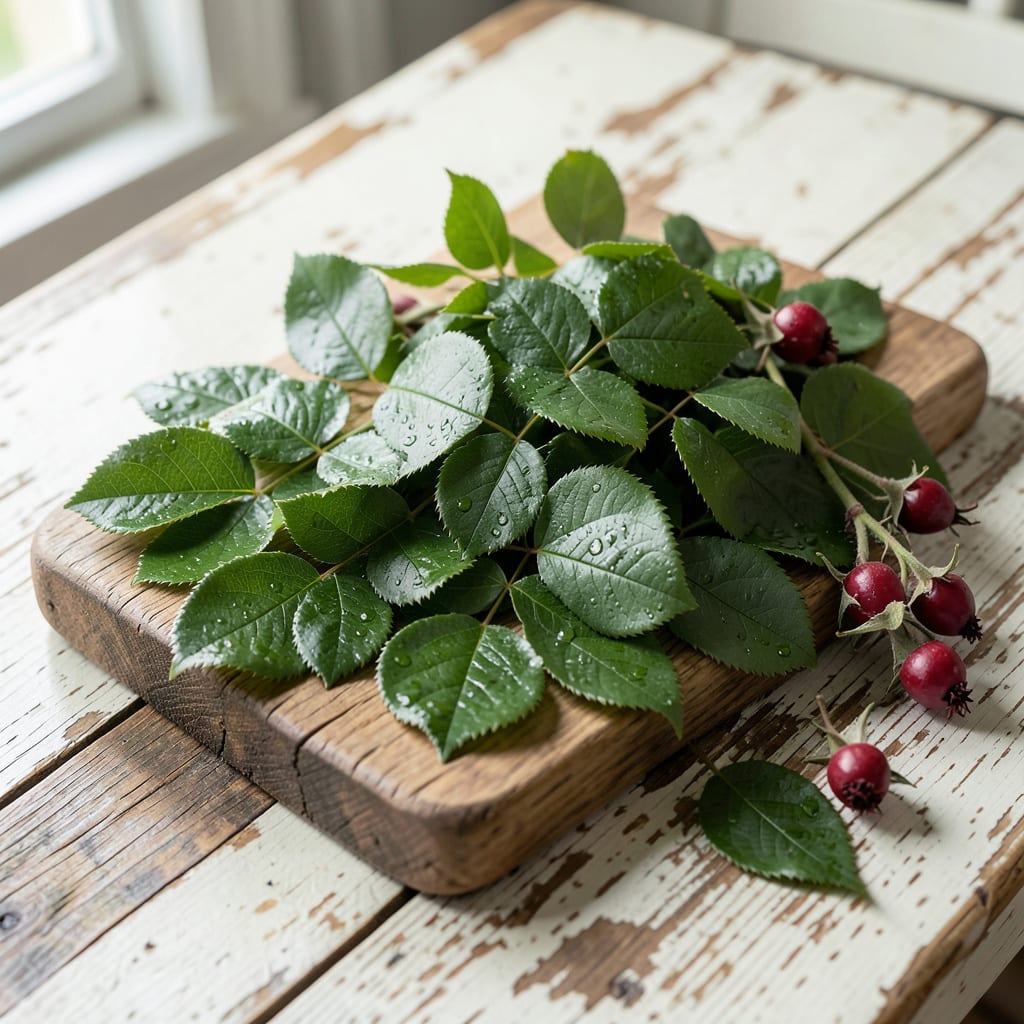
Wild rose bush leaves tell a story if you know how to read them. Yellowing often signals nutrient issues, while black spots scream fungal trouble.
I’ve nursed struggling wild roses back to health by matching symptoms to solutions—simple fixes like adjusting water or applying neem oil. Healthy leaves mean stronger plants and better blooms.
📚 In This Guide
These methods are simple, safe, and time-tested for making the most of your harvest.
Collect leaves from wild rose bushes in late spring to early summer when they’re at peak vitality. Choose healthy, bright green leaves free from spots, holes, or discoloration. Avoid leaves from plants sprayed with pesticides or growing near busy roads.
Use clean, sharp scissors to snip leaves from the stem, taking no more than one-third of the foliage from any single plant. This ensures the bush stays healthy and continues producing. Always harvest in the morning after dew has dried but before the heat of the day sets in.
Rinse the harvested leaves under cool running water to remove dust, dirt, or small insects. Pat them dry gently with a clean towel or let them air-dry on a paper towel for 1-2 hours. Never use leaves that appear wilted or slimy after washing.
For immediate use, you can chop the leaves finely with a clean knife. For storage, leave them whole until ready to use. Properly cleaned leaves should have a fresh, slightly floral scent with no off odors.
Spread leaves in a single layer on a clean, dry surface away from direct sunlight. A mesh screen or parchment-lined baking sheet works well. Stir or turn them daily to ensure even drying, which typically takes 1-2 weeks depending on humidity.
Leaves are fully dry when they crumble easily between your fingers and the stems snap rather than bend. Store completely dried leaves in an airtight container in a cool, dark place where they’ll keep for up to 1 year.
For a simple tea, use 1-2 teaspoons of dried leaves or 2 tablespoons of fresh leaves per cup of boiling water. Pour hot water over the leaves, cover, and let steep for 5-10 minutes. The longer it steeps, the stronger the flavor and more pronounced the benefits.
Strain through a fine mesh strainer or cheesecloth. The resulting infusion should be a pale green to golden color. Freshly made tea is best consumed within 24 hours, though it can be refrigerated for up to 3 days.
Mastering these details will help you get the most out of your harvest with minimal effort.
Harvesting Timing: Late spring to early summer is ideal for collecting leaves at their peak. I’ve found that morning harvesting after the dew has dried ensures the best quality, as the leaves are most vibrant and free from moisture that could encourage spoilage.
Drying Process: The 1-2 weeks drying time is crucial for proper preservation. Stir or turn the leaves daily to prevent mold and ensure even drying. You’ll know they’re ready when they crumble easily and stems snap rather than bend—this step ensures they store well for up to a year.
Infusion Technique: For the best flavor in Step 4, stick to the 5-10 minute steeping range. Longer steeping can make the tea bitter, while shorter steeping might not extract enough of the beneficial compounds. I prefer the full 10 minutes for a stronger, more pronounced result.
Storage Wisdom: Once dried, store your leaves in an airtight container away from light and heat. This preserves their potency and freshness for the full year, so you can enjoy their benefits long after the harvest season.
Yellowing leaves often signal nutrient deficiencies, overwatering, or fungal infections. Check soil moisture and drainage first. If the issue persists, test soil pH or look for pests like aphids.
Wild rose leaves aren’t toxic but are tough and bitter. They’re best used for teas or infusions rather than raw consumption. Always ensure proper identification to avoid poisonous lookalikes.
Harvest in late spring or early summer when leaves are vibrant and tender. Pick them in the morning for peak freshness, and avoid wilted or damaged foliage.
Steep 1-2 teaspoons of fresh or dried leaves in hot water for 5-10 minutes. Add honey or lemon to taste. Dried leaves can be stored for up to a year in an airtight container.
Watch for aphids, spider mites, and sawfly larvae. Treat infestations with neem oil or a strong water spray. Regularly inspect leaves, especially the undersides, for early signs of trouble.
