
Beautiful Plants For Your Interior
Beautiful Plants For Your Interior
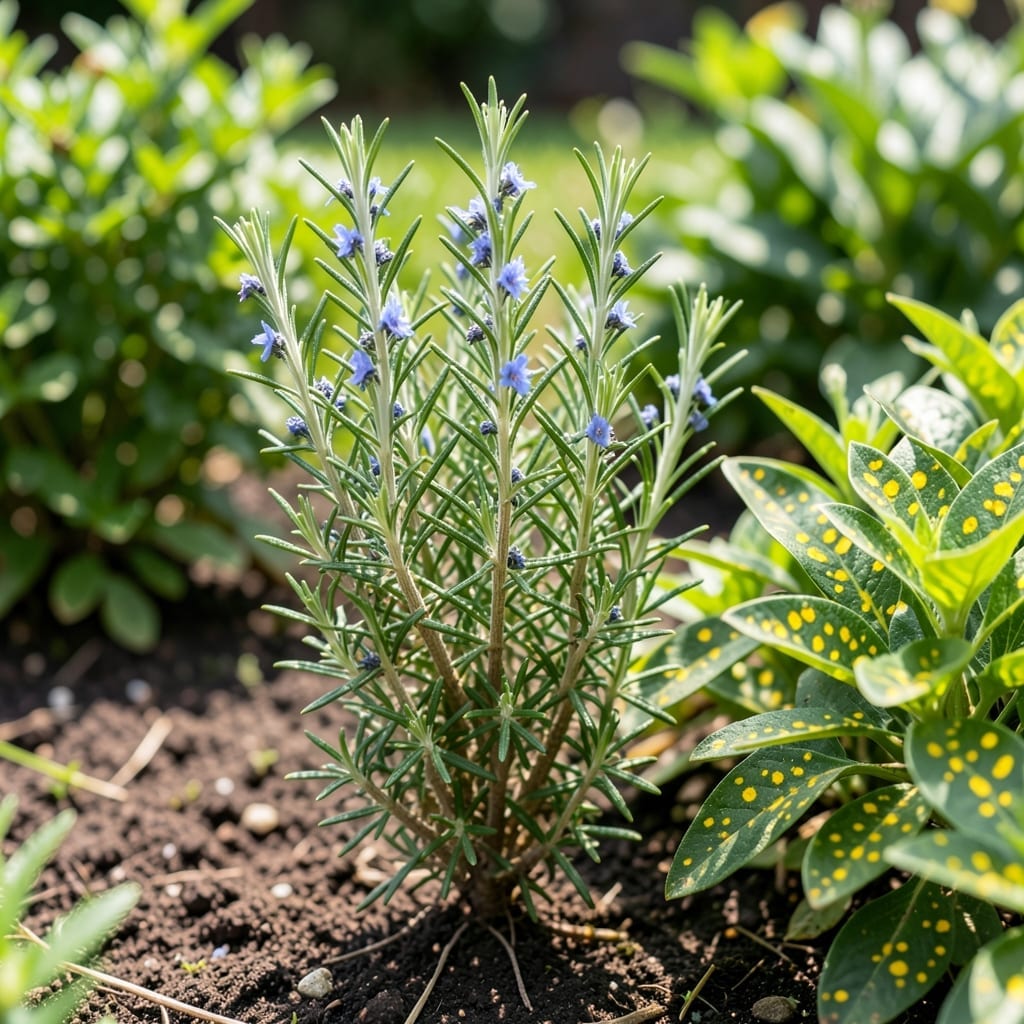
Those yellow spots on your rosemary aren’t just unsightly—they’re a distress signal. I’ve seen this happen to my plants after a sudden cold snap or when the soil stays too soggy for too long.
Most times, it’s not a death sentence. Overwatering, poor drainage, or even a hungry spider mite population can cause this. The good news is that rosemary is tough, and with the right adjustments, it bounces back fast.
You’ll start noticing improvement within 7-10 days of fixing the issue. The key is diagnosing correctly first—yellow spots from overwatering look different from those caused by pests or nutrient deficiencies.
Works for potted plants, garden beds, or even that rosemary you’re overwintering indoors. Here’s how to play plant detective and fix it for good.
Yellow spots on rosemary often signal underlying issues that disrupt the plant’s health. Here are the most common causes, explained scientifically:
Pathogens like Alternaria or Septoria thrive in damp conditions, producing toxins that block chlorophyll. This leads to yellow lesions as the plant struggles to photosynthesize. Overwatering or poor airflow exacerbates the problem.
Spider mites and aphids pierce rosemary leaves, sapping nutrients and introducing viruses. Their feeding disrupts cellular function, causing localized yellowing. Check leaf undersides for webbing or tiny insects.
Low nitrogen or magnesium impairs chlorophyll production, turning older leaves yellow first. A soil test can confirm deficiencies—rosemary prefers well-draining, slightly alkaline soil (pH 6.0–7.0).
Excessive sun or heat can scorch leaves, while cold drafts trigger oxidative stress. Rosemary tolerates drought but needs 6–8 hours of sunlight daily. Sudden temperature swings often manifest as yellow patches.
Herbicides or salty water (from softeners) cause phytotoxicity, burning leaf tissue. Symptoms appear as irregular yellow spots. Always use filtered or rainwater for irrigation.
Addressing yellow spots on your rosemary starts with identifying the root cause. Below are actionable solutions for the most common issues, paired with prevention tips to keep your plant thriving.
Fix: Let the soil dry out completely between waterings. If the pot lacks drainage holes, repot your rosemary into a well-draining container with a mix of sand, perlite, and potting soil. Trim any blackened or mushy roots to prevent rot.
Prevention: Water only when the top 1-2 inches of soil are dry. Use a moisture meter to avoid guesswork.
Fix: For nitrogen deficiency (pale yellow leaves), apply a balanced liquid fertilizer (10-10-10) or compost tea. Magnesium deficiency (yellow patches between veins) can be treated with Epsom salt (1 tablespoon per gallon of water, sprayed on leaves).
Prevention: Feed rosemary lightly every 4-6 weeks during the growing season with an organic fertilizer.
Fix: Spray leaves with neem oil or insecticidal soap to combat spider mites or aphids. For severe cases, prune heavily infested areas and dispose of them in sealed bags.
Prevention: Inspect plants regularly for pests, especially on the undersides of leaves. Encourage beneficial insects like ladybugs.
Fix: Remove affected leaves and treat with a copper fungicide or a baking soda spray (1 teaspoon baking soda + 1 quart water + a few drops of dish soap). Improve air circulation around the plant.
Prevention: Avoid overhead watering and space plants to reduce humidity. Sterilize pruning tools between uses.
💡 Pro Tip: Rosemary thrives in full sun and lean soil. Mimic its native Mediterranean conditions for the healthiest growth!
Check leaf undersides for tiny bugs or webbing to spot pests. Fungal spots often have defined edges and may spread quickly. Pests cause irregular patterns and visible damage.
Only if the issue is environmental (like sunburn). Discard leaves with fungal/bacterial spots or pest damage. Always wash thoroughly before use.
Stop watering immediately and move to a sunny spot. Repot in fresh, dry soil if root rot is present. Improvement appears in 7-10 days.
Fungal spores and pests can spread to nearby plants. Isolate affected rosemary and treat promptly. Good airflow reduces transmission risk.