
Beautiful Plants For Your Interior
Beautiful Plants For Your Interior
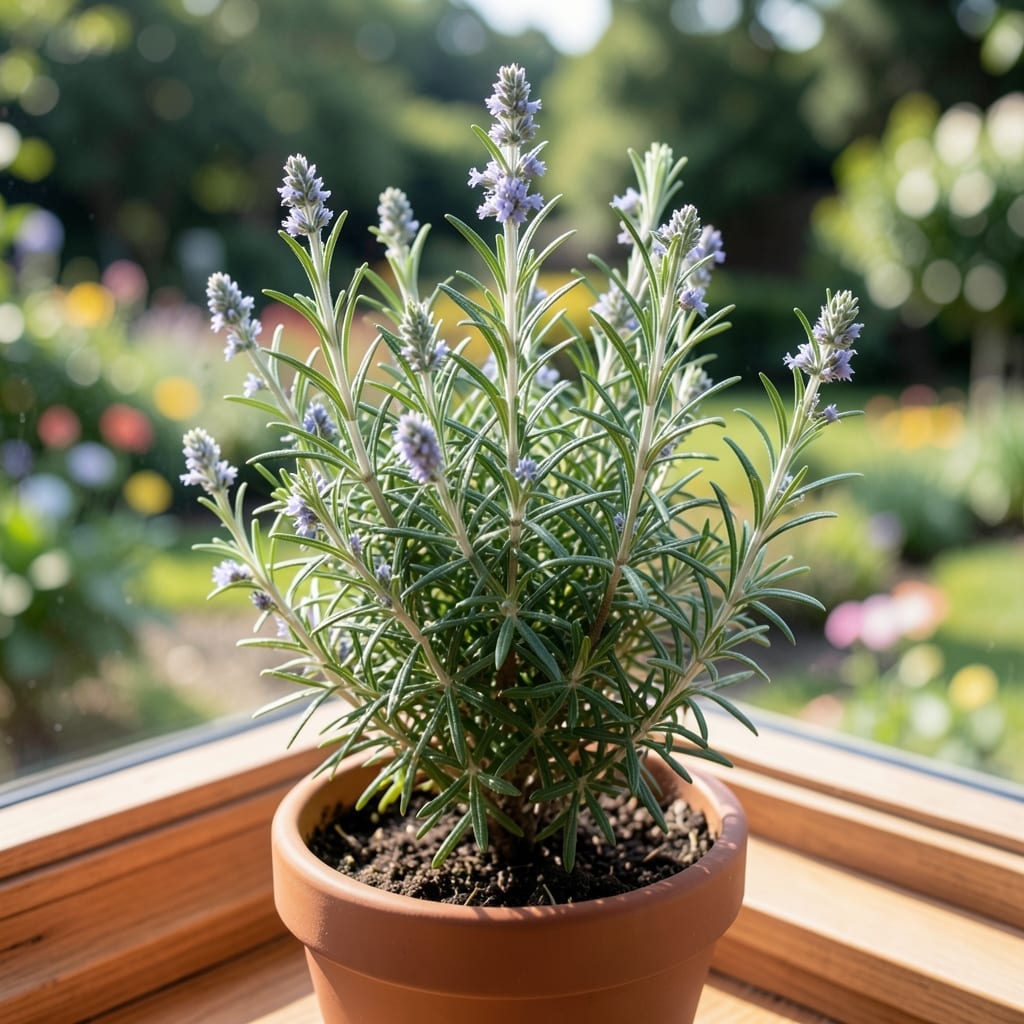
Your rosemary was thriving yesterday but today the tips are hanging like wet laundry. I’ve seen this happen more times than I can count—usually it’s something simple you can fix in 24 hours.
Most often it’s water stress—either too much or too little. The plant’s way of screaming for help before it’s too late. Other culprits include poor drainage, sudden temperature drops, or pests doing their dirty work.
With the right adjustments, those droopy tips will perk up within a few days. You’ll learn to spot the early warning signs before the whole plant suffers.
Works for potted rosemary, garden beds, or windowsill herbs. Here’s how to diagnose and revive it fast.
Rosemary tips drooping is often a sign of stress, and several common causes can trigger this issue. Understanding the root of the problem helps you take precise action to revive your plant. Here’s why it happens:
Rosemary thrives in well-draining soil and prefers dry conditions between waterings. Underwatering causes the tips to dry out and droop as the plant conserves moisture. Conversely, overwatering suffocates the roots, leading to root rot and poor nutrient uptake. Both extremes disrupt the plant’s ability to maintain turgor pressure (the internal water pressure that keeps stems rigid).
Rosemary is a Mediterranean native and favors warm, dry climates. Sudden temperature drops (below 30°F/-1°C) or high humidity can cause stress, leading to drooping tips. Cold shock slows metabolic processes, while excessive moisture invites fungal diseases that weaken the plant.
Heavy, compacted, or nutrient-poor soil restricts root growth and water absorption. Rosemary requires sandy, loamy soil with a pH between 6.0 and 7.0. A lack of essential nutrients like nitrogen, phosphorus, or potassium can also result in weak, drooping growth as the plant struggles to sustain its structure.
Common pests like spider mites, aphids, or whiteflies sap the plant’s fluids, causing stress and drooping tips. These pests often target new growth first, leading to visible wilting. Their feeding disrupts the plant’s vascular system, impairing its ability to transport water and nutrients effectively.
Bringing drooping rosemary tips back to life is simpler than you think! Here’s how to tackle each common cause with practical fixes and prevention tips to keep your plant thriving.
If the soil feels dry 1-2 inches down, your rosemary is likely thirsty. Water deeply until it drains from the bottom, then let the topsoil dry out before watering again. Rosemary hates soggy roots, so always check moisture first.
Prevention: Stick to a consistent schedule—water every 1-2 weeks, adjusting for heat or drought. Use a moisture meter 🌡️ for precision.
Yellowing leaves or mushy stems? Stop watering immediately. Repot in fresh, well-draining soil (mix in perlite or sand) and trim any black, rotten roots. Place the pot in bright, indirect light to help it recover.
Prevention: Ensure pots have drainage holes, and water only when the soil is bone-dry. A terracotta pot ✨ wicks away excess moisture naturally.
Leggy growth or pale leaves? Your rosemary craves sunlight. Move it to a south-facing window or outdoors for 6-8 hours of direct sun daily. If indoors, supplement with a grow light 💡 12-14 hours a day.
Prevention: Rotate the pot weekly for even light distribution and avoid shady spots.
Rosemary thrives in lean, gritty soil. If yours is heavy or clay-like, amend it with sand, perlite, or gravel to improve drainage. Avoid rich, organic-heavy mixes—they retain too much moisture.
Prevention: Use a cactus or Mediterranean herb soil blend from the start. Repot every 2-3 years to refresh nutrients.
Cold drafts or scorching heat can cause drooping. Keep indoor rosemary between 60-75°F and protect outdoor plants with mulch or shade cloth during extreme weather. Avoid placing pots near vents or heaters.
Prevention: Harden off plants before moving them outside, and bring potted rosemary indoors before frost hits ❄️.
Water deeply when the top 1-2 inches of soil are dry. Typically every 1-2 weeks, but adjust for heat or drought. Always check moisture first—rosemary hates soggy roots.
It can if the issue is minor like brief underwatering. For severe stress like root rot or pests, you must take action—repot, trim roots, or treat infestations. Recovery takes 2-3 days with proper care.
Use a sandy, loamy mix with added perlite or gravel for drainage. Avoid rich, moisture-retentive soils—they cause root rot. A cactus or Mediterranean herb blend works perfectly.
Transplant shock is common. Give it 24-48 hours to adjust in bright, indirect light. Avoid fertilizing for 2 weeks to prevent stress. Ensure the new pot has drainage holes.