
Beautiful Plants For Your Interior
Beautiful Plants For Your Interior
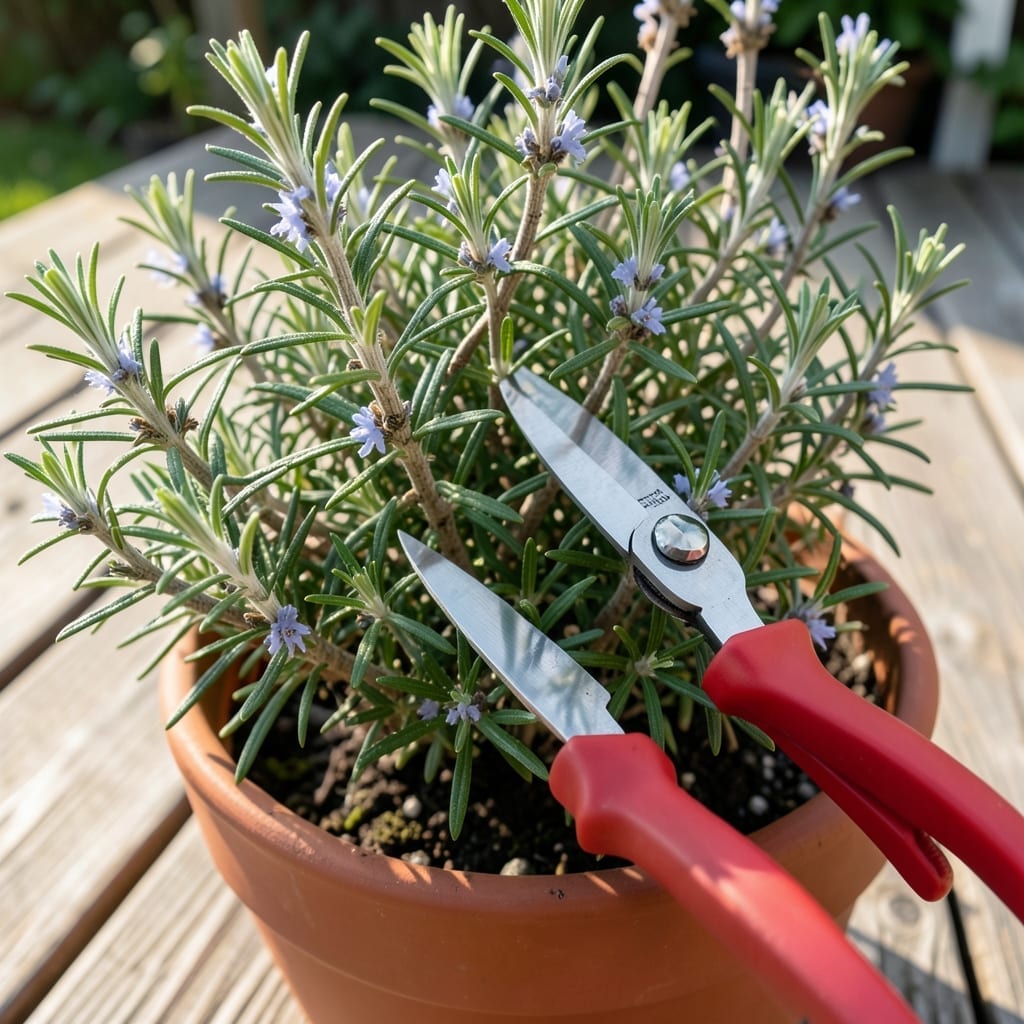
I’ve made every rosemary pruning mistake in the book—cutting too much, too late, or in the wrong place. Each error taught me something, but the worst was realizing my plant’s slow recovery came from my own impatience.
Rosemary doesn’t need heavy pruning, just consistent shaping. The biggest issues come from over-trimming or using dull tools that tear the stems. Even a light touch at the wrong time can set it back.
Fixing these mistakes is simpler than you think. A sharp pair of shears, the right season, and a little restraint will keep your rosemary thriving and full of fragrant growth. No more stunted, sad-looking bushes.
Here’s how to avoid the pitfalls and prune with confidence every time.
Understanding the root causes of rosemary pruning mistakes helps you avoid them in the future. Here’s why they happen:
Rosemary (Salvia rosmarinus) is hardy, but it’s not invincible. Many gardeners assume its drought-tolerant nature means it can handle aggressive pruning at any time. However, excessive cutting—especially into old wood—removes stored energy reserves (carbohydrates in the stems) that the plant relies on for regrowth. Without these reserves, recovery slows or stops entirely.
Pruning at the wrong time disrupts the plant’s natural growth cycle. Rosemary enters active growth in spring, making this the ideal window for pruning. Cutting back in late summer or fall can stimulate tender new growth that’s vulnerable to frost damage. Additionally, pruning during winter dormancy limits the plant’s ability to heal wounds, increasing disease risk.
Dull pruners crush stems instead of making clean cuts, creating jagged wounds that take longer to heal and invite pathogens like Botrytis (gray mold). Unsterilized tools can transfer fungal spores or bacteria from other plants, leading to infections. Always use sharp, alcohol-sterilized bypass pruners for precise, healthy cuts.
Pruning without considering environmental stress compounds the problem. If your rosemary is already water-stressed (soil moisture below 30% of field capacity) or light-deprived (receiving fewer than 6 hours of sunlight daily), pruning adds unnecessary strain. The plant prioritizes survival over regrowth, leading to stunted or sparse recovery.
Pruning your rosemary the right way keeps it healthy and thriving. Here’s how to correct common mistakes and prevent them in the future.
If you’ve trimmed too much, don’t panic. Stop pruning immediately and let the plant regrow. Rosemary is resilient—focus on watering lightly and ensuring it gets full sun. New growth should appear in a few weeks. Prevention tip: Never remove more than one-third of the plant at once.
Pruning at the wrong time (like late fall) can leave rosemary vulnerable to cold. If you’ve already done it, protect the plant with mulch or a frost cloth in cooler months. Prevention tip: Prune in early spring or after flowering to encourage strong, healthy growth.
Ragged cuts from dull shears stress the plant and invite disease. Clean your tools with rubbing alcohol and sharpen them before the next trim. If the damage is done, trim back any jagged or diseased stems to clean, healthy wood. Prevention tip: Sharpen tools annually and sanitize before each use.
If you’ve accidentally pruned into woody, leafless stems, don’t worry—rosemary can regrow. Focus trims on green, flexible growth and avoid heavy cuts on old wood. Prevention tip: Prune regularly to shape the plant and prevent overgrowth of bare, woody stems.
Never remove more than one-third of the plant in a single session. This prevents shock and allows healthy regrowth. If unsure, trim less and monitor recovery for 2-3 weeks.
Prune in early spring or right after flowering. Avoid late fall or winter, as new growth may not harden off before cold weather.
Yes, but avoid cutting into old, leafless wood. Focus on green, flexible stems for best results. Regular light trims prevent excessive woody growth.
Trim back to clean, healthy wood just below the damaged area. Always use sharp, sterilized pruners to prevent future issues.