
Beautiful Plants For Your Interior
Beautiful Plants For Your Interior
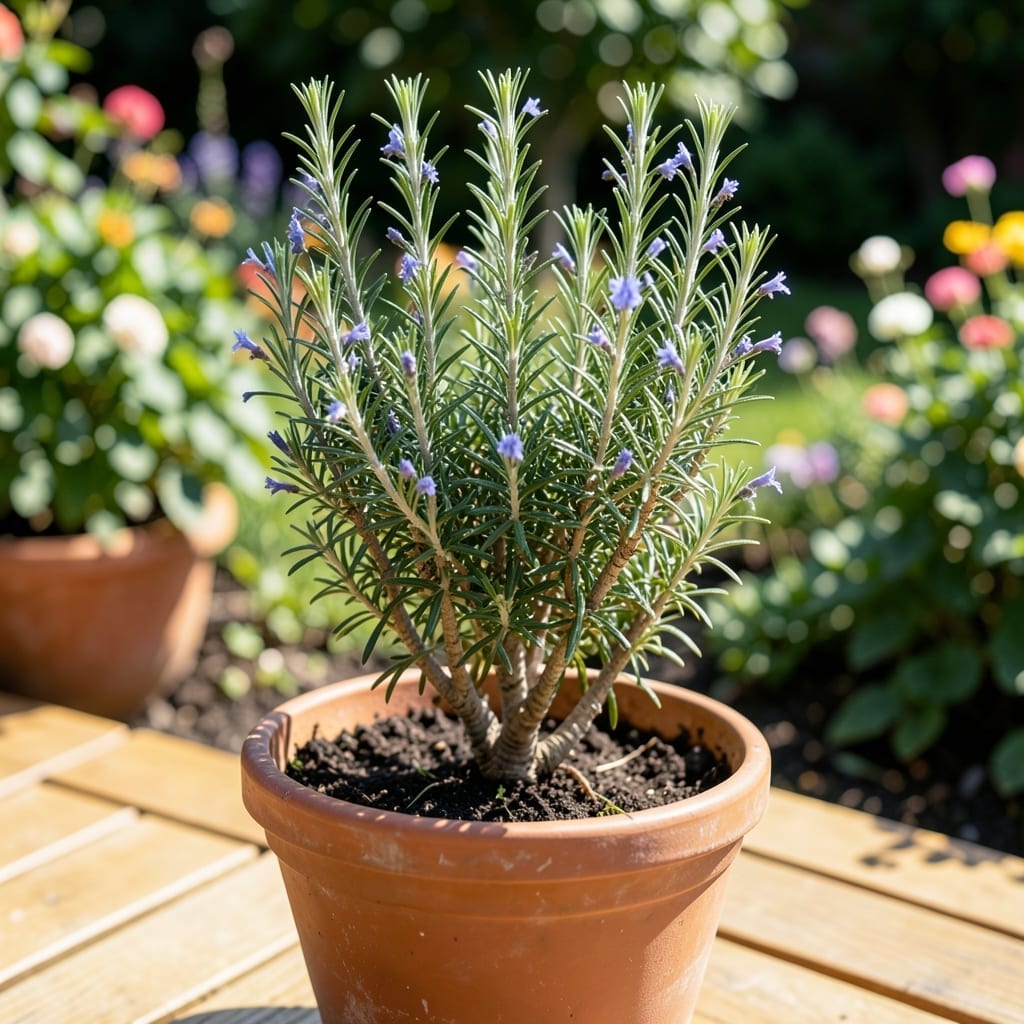
Whether you’re planting 🌿Rosemary for its aromatic leaves or its drought-resistant beauty, understanding its growth pattern is the first step to success.
This hardy herb doesn’t follow a one-size-fits-all timeline. From those early days as a delicate seedling to reaching its full, fragrant maturity, every season brings new changes in height and density.
I’ve learned that the right conditions can make all the difference in how quickly your rosemary thrives. Sunlight, soil quality, and even your pruning habits play a role.
Discover what to expect each season and how to create the ideal environment for your rosemary to grow at its best pace.


If you’re curious about rosemary growth rate, you’ll find it varies significantly by season. In spring, this herb springs to life, adding 3-6 inches in height as temperatures rise. This is when I see the most vibrant new growth on my plants. ☀️
The summer months are when rosemary really takes off, potentially growing 6-12 inches if conditions are ideal. With full sun and well-draining soil, your plant will thrive during this period. I always make sure mine gets plenty of water during heatwaves.
| Season | Growth Rate | Key Factors |
|---|---|---|
| Spring | 3-6 inches | Warming temps, new shoots |
| Summer | 6-12 inches | Full sun, consistent water |
| Fall | 2-4 inches | Cooler temps, less light |
| Winter | 0-1 inch | Dormant, protect from frost |
As fall arrives, growth slows to about 2-4 inches. The plant focuses on strengthening its woody stems rather than rapid height increase. I notice my rosemary becomes more fragrant during this time.
In winter, rosemary growth nearly stops, adding just 0-1 inch at most. The plant enters dormancy, conserving energy. If you’re in USDA zones 8-10, your rosemary may continue slow growth, but colder areas require protection. 🌿
Soil quality plays a huge role in seasonal growth. I’ve found that sandy, well-draining soil mimics rosemary’s native Mediterranean conditions, encouraging faster growth. Heavy clay soils can stunt development.
Watering habits also impact growth rates. In summer, I water my rosemary every 5-7 days, allowing the soil to dry slightly between waterings. Overwatering can lead to root rot and slower growth.
Pruning is another factor I’ve learned to manage carefully. Light pruning in early spring encourages bushier growth, while heavy pruning can temporarily slow the growth rate. Always use clean, sharp shears. ✂️
For container-grown rosemary, growth might be slightly slower than in-ground plants. I recommend repotting every 1-2 years to refresh the soil and give roots more room to expand.
Remember that young rosemary plants grow more slowly in their first year. In my experience, they typically reach 1-2 feet tall by the end of the first growing season, with more rapid growth in subsequent years.
If you’re wondering why your rosemary seems to grow faster or slower than expected, several key factors come into play. Sunlight exposure is the most critical—this Mediterranean herb thrives with 6+ hours of direct sun daily. Without it, growth stalls.
Next, consider your soil conditions. Rosemary demands well-draining soil with a pH of 6.0-7.0. Heavy or waterlogged soil suffocates roots, slowing growth dramatically.
Watering frequency also impacts growth rate. While mature rosemary is drought-tolerant, new plants need consistent moisture. I recommend deep watering weekly during the first growing season.
Fertilizer use can speed up growth, but less is more. A balanced 10-10-10 applied monthly in spring and summer works wonders. Avoid over-fertilizing, which leads to weak, leggy growth.
Pruning techniques might seem counterintuitive, but regular trimming actually stimulates growth. I prune my rosemary after flowering to maintain shape and encourage new shoots.
Finally, temperature affects growth rate. Rosemary grows fastest in 70-85°F temperatures. In cooler zones, growth slows significantly, and frost can damage the plant.
By optimizing these factors, you’ll see your rosemary reach its mature size of 4-6 feet faster than you might expect 🌿