
Beautiful Plants For Your Interior
Beautiful Plants For Your Interior
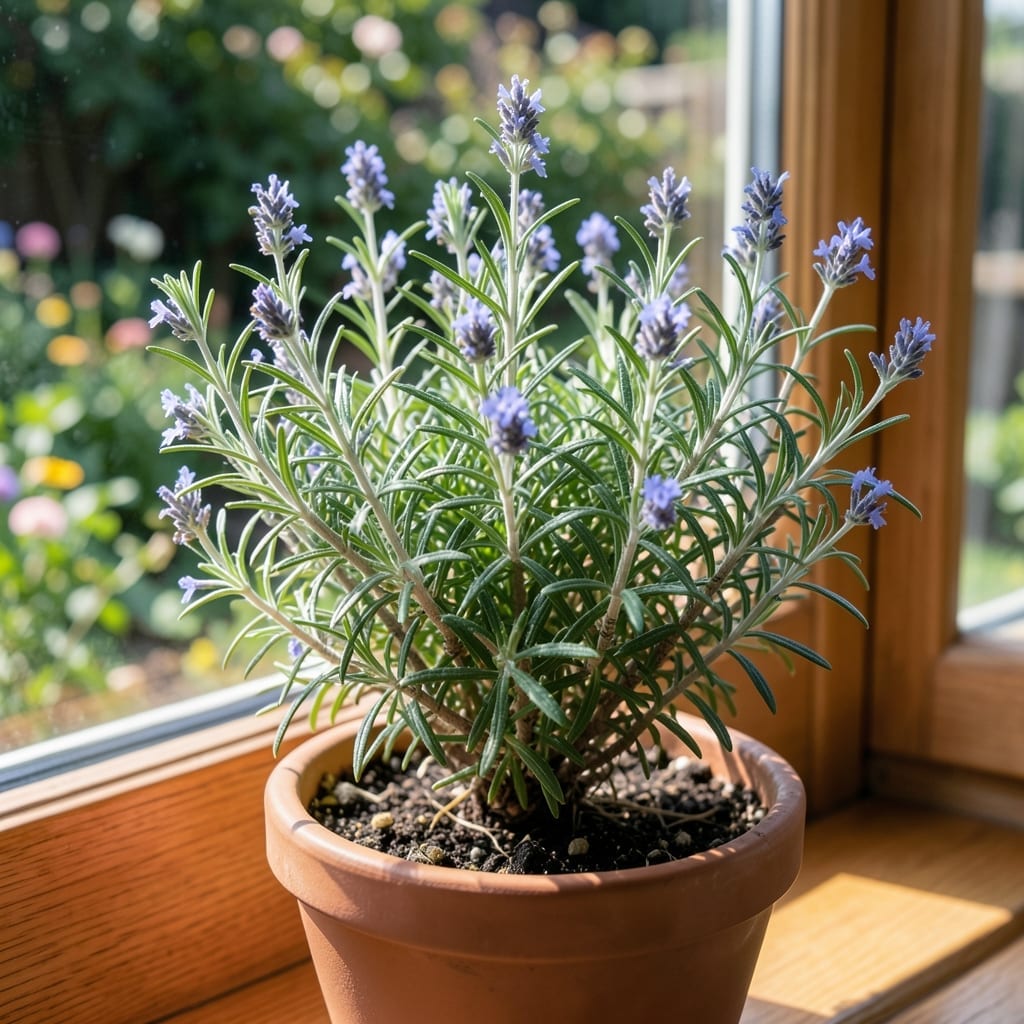
My rosemary went from thriving to twisted leaves in a week. Turns out, curling often signals stress—not disease—so the fix is usually simpler than you think.
Underwatering, too much water, or even a drafty window can trigger this. I’ve saved dozens of plants by checking soil moisture first and adjusting care before assuming the worst.
With the right tweaks, those curled leaves unfurl within 7-10 days. The plant bounces back stronger, and you avoid the cycle of overcorrecting with harsh treatments.
Works for potted plants indoors or garden rosemary outdoors. Here’s how to diagnose and treat it organically.
Rosemary leaves curl as a stress response to environmental, biological, or cultural factors. Below are the most common causes, explained with actionable insights.
Rosemary thrives in warm climates but can suffer when temperatures spike above 90°F (32°C) or soil moisture drops too low. The plant conserves water by curling its leaves to reduce surface area, minimizing transpiration. Check soil moisture 1–2 inches deep—if dry, water deeply at the base.
Soggy roots from excessive watering or compacted soil deprive rosemary of oxygen, triggering root rot. As roots die, the plant can’t absorb water efficiently, causing leaves to curl and turn yellow or brown. Ensure pots have drainage holes and use well-draining, sandy soil mixes.
Sap-sucking pests like spider mites, aphids, or whiteflies drain plant fluids, leading to deformed, curled foliage. Inspect the undersides of leaves for webbing (mites) or sticky residue (aphids). A strong blast of water or neem oil spray can disrupt their lifecycle.
Pathogens such as Botrytis (gray mold) or Phytophthora thrive in humid, poorly ventilated conditions. Fungal infections often start as brown spots before causing leaves to curl and drop. Prune affected areas, improve airflow, and avoid overhead watering.
A lack of magnesium or potassium can manifest as leaf curling, often accompanied by yellowing between veins (interveinal chlorosis). Test soil pH (ideal: 6.0–7.0); amend with compost or a balanced organic fertilizer if deficiencies are confirmed.
Here’s how to tackle each common cause and restore your rosemary’s healthy, flat leaves. Follow these step-by-step fixes and prevention tips to keep your plant thriving.
Fix: Check the soil moisture by sticking your finger 1-2 inches deep. If it’s bone-dry, water thoroughly until it drains from the bottom. If it’s soggy, stop watering and let the top 2-3 inches dry out. For potted rosemary, ensure the pot has drainage holes.
Prevent: Water only when the topsoil feels dry. Use a well-draining soil mix (add perlite or sand) and a pot with drainage. 💡 Pro tip: Rosemary prefers drier conditions—when in doubt, wait a day!
Fix: Move potted rosemary to a shaded spot during heatwaves or indoors near a sunny window if temperatures drop below 30°F (-1°C). For in-ground plants, use mulch to insulate roots in cold or shade cloth in intense heat.
Prevent: Acclimate your plant gradually to temperature changes. Avoid placing it near heaters or drafty windows. 💡 Pro tip: Rosemary thrives in 60-75°F (15-24°C)—aim for this sweet spot.
Fix: Spray leaves with neem oil or insecticidal soap (1 tbsp soap per quart of water) to target aphids, spider mites, or scale. Wipe leaves gently with a damp cloth to remove pests. Repeat every 5-7 days until gone.
Prevent: Inspect leaves weekly for early signs of pests. Encourage natural predators like ladybugs. 💡 Pro tip: A strong blast of water can dislodge many pests before they settle in.
Fix: Repot in fresh, well-draining soil if the current mix is compacted or waterlogged. Add a balanced organic fertilizer (10-10-10) or compost tea monthly during growing season to address deficiencies.
Prevent: Use a sandy, loamy soil mix and fertilize lightly—rosemary isn’t a heavy feeder. 💡 Pro tip: Yellowing leaves? It might need magnesium—sprinkle Epsom salt (1 tbsp per gallon of water) around the base.
Fix: Mist leaves lightly or place a tray of water near the plant to boost humidity. Move potted rosemary to a sheltered spot if wind is the culprit.
Prevent: Group plants together to create a microclimate or use a humidifier indoors. 💡 Pro tip: Rosemary loves airflow but not harsh winds—balance is key!
Water when the top 1-2 inches of soil feel dry to the touch. Rosemary prefers drier conditions, so it’s better to underwater than overwater. In hot weather, this might mean watering every 5-7 days.
Yes, if you address the underlying issue quickly. With proper care, curled leaves typically unfurl within 7-10 days. However, severely damaged leaves may not fully recover but new growth will be healthy.
Use a well-draining mix with 50% potting soil and 50% perlite or sand. This prevents waterlogging while retaining enough moisture. Avoid heavy clay soils that stay soggy.
Only prune if the leaves are brown or crispy. If they’re still green, fix the underlying issue first—many leaves will recover. Pruning too early removes potential for recovery.