
Beautiful Plants For Your Interior
Beautiful Plants For Your Interior
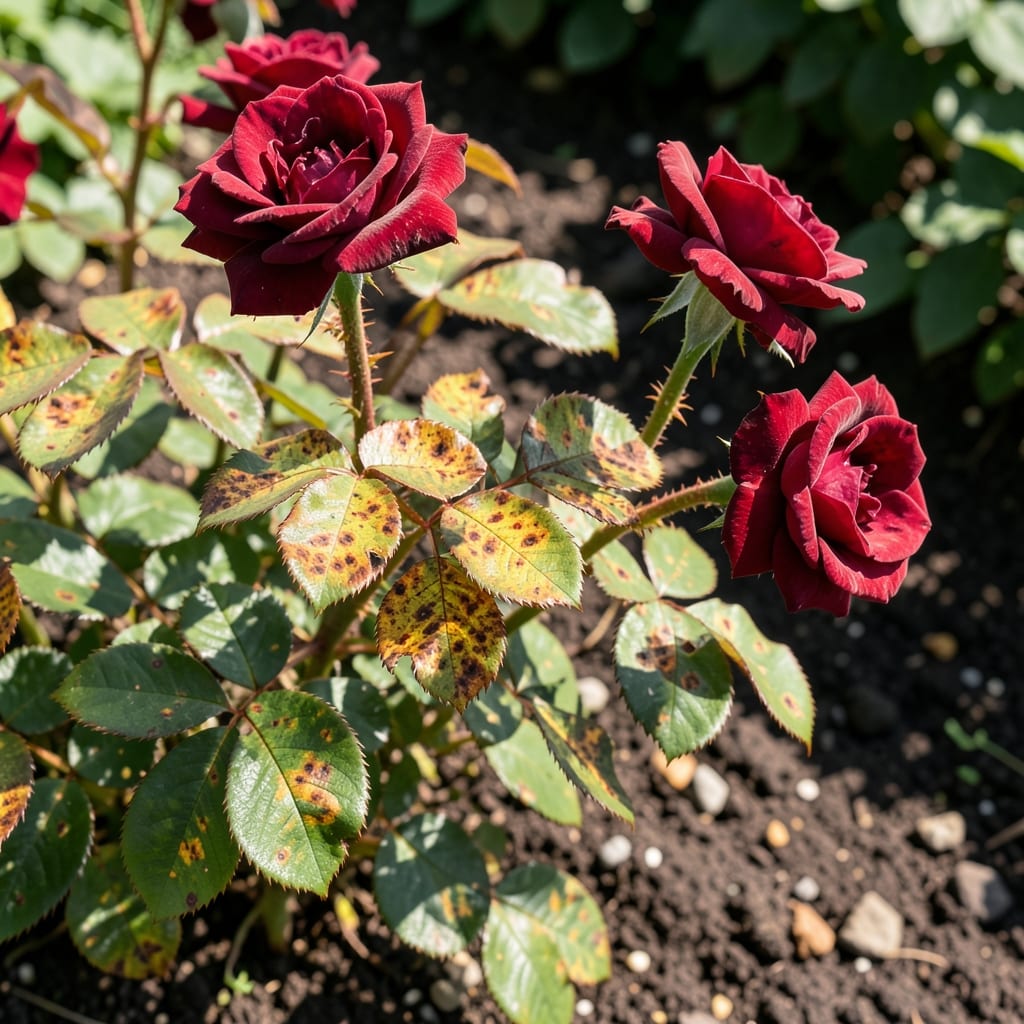
Orange pustules on your rose leaves aren’t just ugly—they’re a red flag. Rose rust fungus spreads fast, turning healthy plants into weak, defoliated bushes in weeks.
I first noticed it on my knockout roses last summer: bright spots on the undersides of leaves, then powdery orange spore clusters. Left untreated, it stunts growth and ruins blooms for entire seasons.
Catching it early means the difference between saving your plants and losing them. The good news? Organic treatments work, and prevention is simpler than you think.
No fancy equipment needed—just vigilance and a few household items. Here’s how to spot it before it’s too late.
Rose rust fungus thrives under specific environmental and cultural conditions. Understanding these triggers helps gardeners prevent outbreaks before they start. Below are the primary causes, explained with actionable insights.
The fungus Phragmidium spp. (the culprit behind rose rust) spreads rapidly in damp, stagnant conditions. Overhead watering, prolonged rain, or high humidity create ideal breeding grounds. Water roses at the base and space plants to improve airflow. Prune dense foliage to reduce shaded, moist pockets where spores can settle.
Fungal spores overwinter in fallen leaves, stems, and even soil. If old debris isn’t removed, it releases spores in spring, reinfecting new growth. Clean up all plant litter in late fall and early spring, and dispose of it in the trash—not compost—to break the cycle.
Rose rust favors temperatures between 50–75°F (10–24°C) with consistent moisture. Early spring’s damp, cool weather is prime time for infection. Monitor weather forecasts and apply organic fungicides like neem oil or sulfur preventatively during wet periods.
Some roses lack genetic resistance to rust. Hybrid teas and older cultivars are often more vulnerable. Opt for rust-resistant varieties like ‘Knock Out’ or ‘Carefree Beauty’ if rust is a recurring issue in your garden.
Rose rust can be tackled effectively with the right approach. Below are practical solutions mapped to common causes, along with prevention tips to keep your roses healthy.
If you spot orange or yellow pustules on leaves or stems, prune affected areas immediately. Use clean, sharp shears to cut at least 2 inches below the infected spot. Dispose of the debris in a sealed bag—never compost it, as the fungus can spread. Sterilize tools with rubbing alcohol after use to prevent contamination.
Dense foliage traps moisture, creating a haven for rust spores. Thin out crowded branches to allow air to flow freely. Space roses at least 3 feet apart when planting. Water at the base in the morning so leaves dry quickly, reducing humidity around the plant.
For active infections, treat roses with neem oil or copper-based fungicides. Mix as directed and apply every 7–10 days until symptoms fade. Always spray on dry days and cover both sides of the leaves for full protection.
Avoid over-fertilizing with nitrogen, which promotes tender growth that’s susceptible to rust. Instead, use a balanced organic fertilizer and mulch with compost to boost resistance. Keep the garden clean by removing fallen leaves and debris where spores can overwinter.
Prevention Tip: 💡 Choose rust-resistant rose varieties like ‘Knock Out’ or ‘Drift’ for a low-maintenance garden. Regularly inspect plants for early signs to catch issues before they spread!
Those orange pustules are a classic sign of fungal infection. They often appear on the undersides first, then spread upward as the disease progresses.
Yes, with immediate action. Remove all infected foliage, apply copper fungicide, and improve airflow. Severe cases may require repeated treatments every 7-10 days until recovery.
Clean up all fallen leaves and debris in autumn. Choose resistant varieties like ‘Knock Out’ and avoid overhead watering. A balanced fertilizer helps build natural resistance.
Neem oil works as both a treatment and preventative. Apply weekly at first signs, covering all leaf surfaces. It’s most effective when used before the disease becomes severe.