
Beautiful Plants For Your Interior
Beautiful Plants For Your Interior
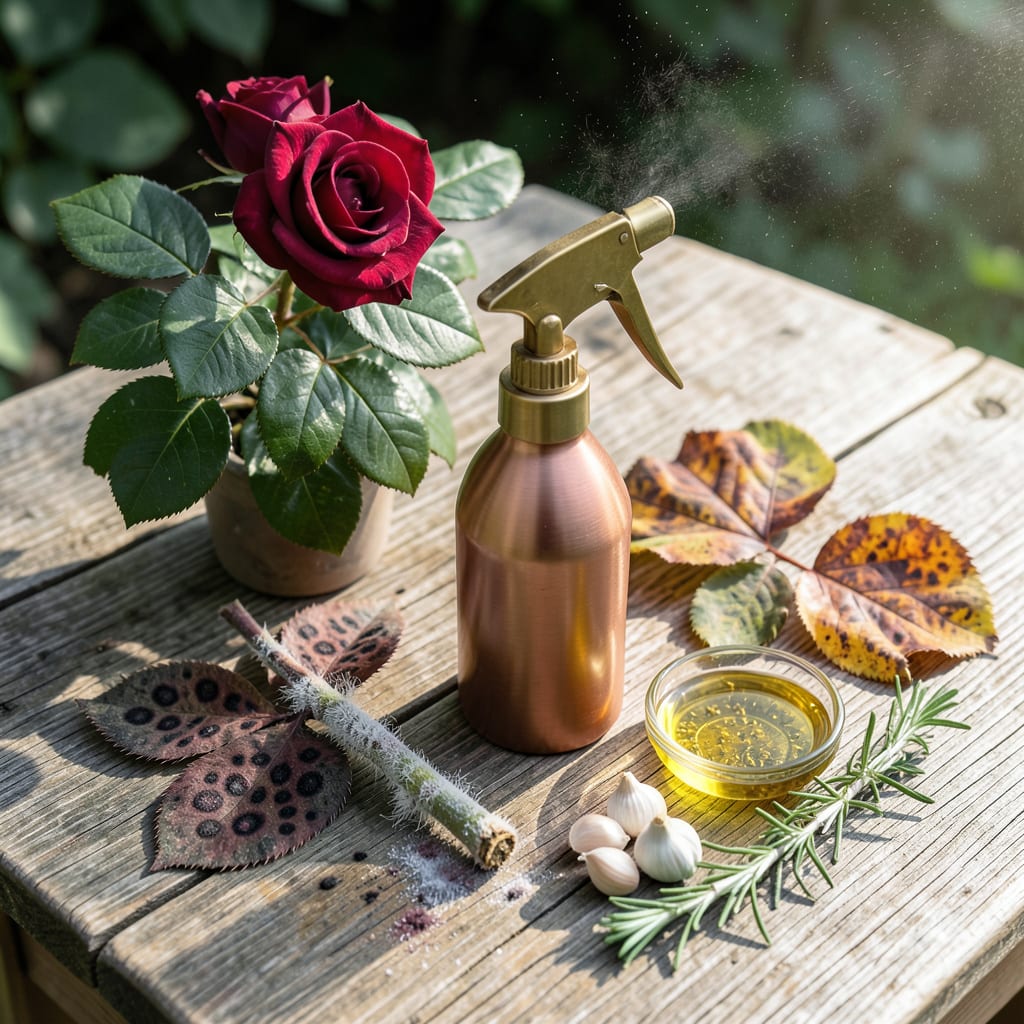
Black spots on leaves ruined my first rose bushes. I learned the hard way that early detection is everything—catch the problem before it spreads.
Powdery mildew, rust, and black spot have distinct signs. Each requires a different approach, but organic remedies like neem oil or baking soda sprays often work as well as chemicals. The key is acting fast.
Prevention is simpler than treatment. Good airflow, proper watering, and clean tools stop most issues before they start. My roses now stay healthy with just weekly checks and occasional sprays.
You can save ailing plants with the right methods. Healthy roses reward you with vibrant blooms and strong growth, even after a rough start.
Rose plants are vulnerable to diseases due to a mix of environmental, biological, and cultural factors. Understanding these causes helps in prevention and targeted treatment. Below are the primary triggers for common rose diseases:
Excess moisture is a leading cause of fungal infections like black spot and powdery mildew. Prolonged leaf wetness—from rain, overhead watering, or poor drainage—creates ideal conditions for spores to germinate. Similarly, high humidity (above 85%) and poor air circulation trap moisture on foliage, accelerating disease spread. Drought stress, on the other hand, weakens roses, making them more susceptible to pests and infections.
Fungi, bacteria, and viruses are the direct culprits behind most rose diseases. Fungal pathogens (e.g., Diplocarpon rosae for black spot) thrive in warm, wet conditions, while bacterial pathogens (e.g., Xanthomonas for leaf spot) often enter through wounds or pruning cuts. Viruses, though less common, can spread via infected tools or aphids, causing stunted growth or distorted leaves.
Improper care weakens roses and invites disease. Overcrowding restricts airflow, promoting fungal growth. Inadequate pruning leaves dead or diseased wood, which harbors pathogens. Nutrient deficiencies (e.g., lack of nitrogen or potassium) reduce plant vigor, while excessive nitrogen fosters lush, soft growth that’s more prone to mildew. Additionally, using contaminated soil or tools can introduce pathogens directly to healthy plants.
Insects like aphids, thrips, and spider mites don’t just damage roses—they also spread diseases. Aphids, for instance, transmit rose mosaic virus as they feed, while their honeydew (a sticky residue) fosters sooty mold, a secondary fungal issue. Weakened plants from pest infestations are also less capable of fending off infections.
Tackling rose plant diseases doesn’t have to be overwhelming. Below are practical, step-by-step solutions for common issues, paired with prevention tips to keep your roses thriving. 🌹
Mix 1 tablespoon of baking soda, 1 teaspoon of liquid soap, and 1 gallon of water. Spray this solution on affected leaves every 7–10 days until the mildew clears. Prevention tip: Space plants for better airflow and water at the base to avoid wetting leaves. 💡
Dilute 2 tablespoons of neem oil in 1 gallon of water and spray directly on aphids. Reapply every 5–7 days or after rain. Prevention tip: Encourage ladybugs and lacewings—natural predators of aphids—by planting companion flowers like marigolds. ✨
Prune infected leaves and stems immediately and dispose of them in the trash (not compost). Apply a copper fungicide or a homemade garlic spray (blend 2 garlic bulbs with 1 liter of water, strain, and spray). Prevention tip: Avoid overhead watering and keep the garden clean of fallen debris. 🎯
Manually remove beetles in the early morning when they’re sluggish, dropping them into soapy water. For larger infestations, use pheromone traps placed away from your roses. Prevention tip: Apply kaolin clay as a barrier spray to deter beetles from feeding. 🌡️
Dig up the affected plant, trim blackened roots, and replant in well-draining soil mixed with compost. Reduce watering frequency and ensure pots have drainage holes. Prevention tip: Use raised beds or containers if your soil retains too much moisture. 🔥
Inspect your roses at least once a week during the growing season. Look for spots, discoloration, or unusual growth patterns. Early detection makes treatment much easier and more effective.
No, different diseases require different approaches. For example, a baking soda spray works for powdery mildew, but black spot needs pruning and a fungicide. Always identify the problem first.
Ensure good airflow, water at the base, and keep the garden clean. Proper spacing and regular pruning also reduce the risk of fungal infections. Prevention is simpler than treatment.
Organic options like neem oil or baking soda can be just as effective if applied correctly and early. They’re safer for the environment and beneficial insects.
