
Beautiful Plants For Your Interior
Beautiful Plants For Your Interior
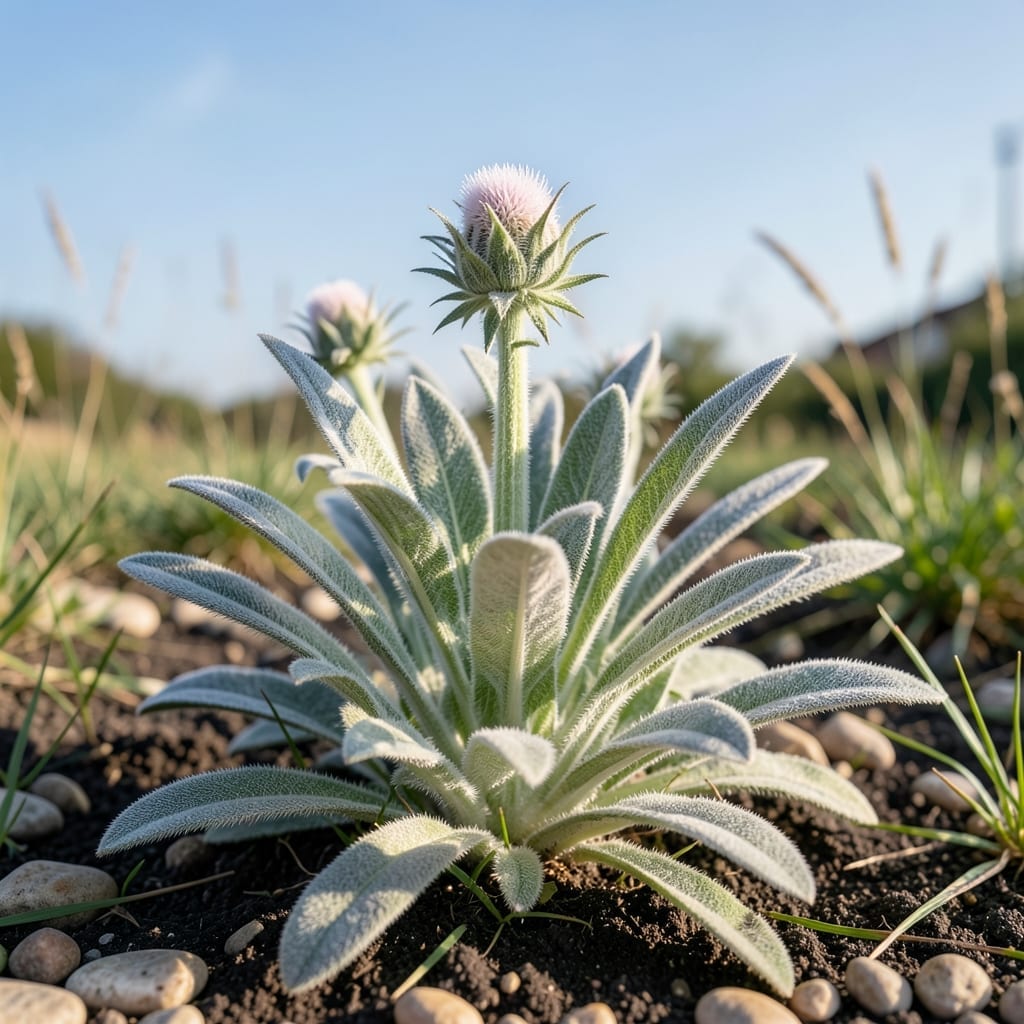
Silver-gray leaves that feel like velvet transformed my garden’s texture overnight. Rose campion’s foliage stays stunning year-round with almost no effort, but the secret is in the soil.
Well-draining ground prevents the one thing these plants hate: soggy roots. Full sun brings out their softest texture and most vibrant color, while afternoon shade works in hotter climates. That’s it.
📚 In This Guide
These practical insights will help you maintain that stunning silver foliage without the guesswork.
Sunlight Strategy: The 6+ hours of direct sunlight mentioned in Step 1 isn’t just a suggestion—it’s what makes that velvety silver foliage pop. I’ve noticed plants in partial shade develop a duller, almost grayish tone. If your garden has limited sun, prioritize morning light over afternoon, as it’s less intense and reduces the risk of leaf scorch on those fuzzy leaves.
Planting Precision: That 1/4 inch above soil line detail in Step 2 is non-negotiable. I learned this the hard way after losing three plants to crown rot. Use a ruler if you must—it’s better than eyeballing it. Also, when digging those 18-24 inch spaced holes, consider your plant’s mature size (about 2 feet wide) to prevent overcrowding as they spread.
Watering Wisdom: The 1-2 times per week for the first month in Step 3 is your foundation, but here’s what nobody tells you—check the soil 2 inches down with your finger, not just the surface. In clay soil, you might stretch to 3 days between waterings. And that “10-14 days” for established plants? In my Texas summers, 10 days is the absolute maximum before the leaves start looking sad.
Seasonal Protection: For Step 5, that 2-inch mulch layer in colder zones (USDA 5-6) should be applied after the first hard frost but before the ground freezes. I use pine needles—they’re free if you have pines, and their slight acidity doesn’t bother this adaptable plant. Just remember to pull it back in early spring as new growth appears, or you’ll smother the fresh shoots.
No, rose campion (Lychnis coronaria) leaves are not edible. They may cause mild irritation or digestive discomfort. Stick to ornamental use for its beautiful silver foliage and pink flowers.
Yellowing leaves often signal overwatering or poor drainage. Ensure the soil is well-draining and water only when the top inch feels dry. Too much shade can also cause discoloration.
Prune in early spring or after flowering to encourage bushier growth and remove dead or damaged foliage. Avoid heavy pruning in late fall, as new growth may be vulnerable to frost.
Try lamb’s ear (Stachys byzantina), dusty miller (Senecio cineraria), or artemisia for similar silvery, velvety leaves. These alternatives thrive in comparable conditions.
Improve air circulation, avoid overhead watering, and remove affected leaves. Apply a fungicide or a neem oil solution if the issue persists. Prevention is key—space plants properly!