
Beautiful Plants For Your Interior
Beautiful Plants For Your Interior
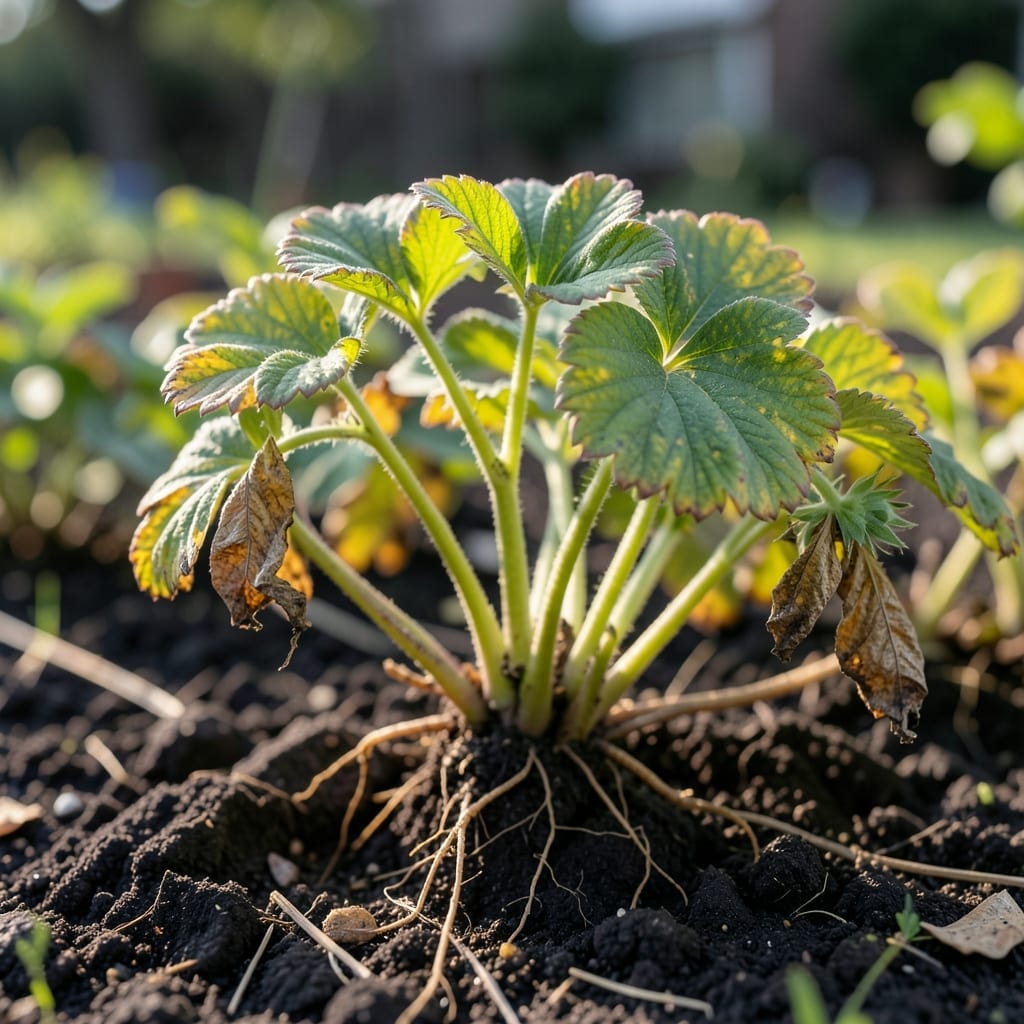
Soggy soil spelled disaster for my strawberry patch last year. Roots turned to mush, leaves wilted despite wet ground, and the plants never recovered. I learned the hard way that strawberries hate wet feet more than drought.
The fix starts with better drainage. Raised beds or containers with drainage holes prevent water from pooling. A simple soil test—squeeze a handful—tells you if it’s too wet. If water drips out, hold off on watering.
Recovery means trimming black, mushy roots and repotting in fresh, well-draining mix. Within 2 weeks, healthy white roots should appear. Stick to a schedule: water only when the top inch of soil feels dry.
This approach saved my next batch, and those berries tasted like victory. No more guesswork—just thriving plants and sweet rewards.
Root rot in strawberries is a common issue that often stems from excess moisture in the soil. Below are the primary causes, explained with actionable insights to help you prevent them.
Strawberries thrive in well-draining soil. When water pools around the roots due to compacted or clay-heavy soil, oxygen is displaced, creating an anaerobic environment. This suffocates the roots and allows Phytophthora and other waterborne pathogens to flourish. Fix: Amend soil with perlite, sand, or compost to improve drainage.
Consistent overwatering—whether from manual watering or heavy rainfall—keeps the soil saturated. Strawberry roots need moist but not soggy conditions. Overwatering disrupts the soil’s microbial balance, weakening the plant’s defenses. Fix: Water only when the top inch of soil is dry, and use drip irrigation to target the roots without wetting the foliage.
Planting strawberries too closely limits airflow and slows soil drying. Dense foliage traps humidity, promoting fungal growth. Fix: Space plants 12–18 inches apart and thin runners to ensure proper ventilation.
Pathogens like Pythium and Fusarium thrive in wet conditions and can spread via infected soil or unsterilized gardening tools. Fix: Rotate crops, solarize soil before planting, and disinfect tools with a 10% bleach solution.
If your strawberries are suffering from root rot due to overwatering, don’t panic—there are clear steps to revive them and prevent future issues. Below, we break down the fixes by cause and share prevention tips to keep your plants thriving. 🌱
If water pools around your strawberries, the soil likely lacks drainage. Fix it by amending the soil with coarse sand, perlite, or compost to loosen it up. For potted plants, ensure containers have drainage holes and switch to a well-draining potting mix. Raise garden beds if waterlogging is a recurring issue.
Prevention tip: 💡 Test drainage by digging a small hole, filling it with water, and checking how quickly it drains. If it takes over 4 hours, improve the soil.
Strawberries need consistent moisture, not soggy soil. Fix it by letting the top 1 inch of soil dry out between waterings. Use a moisture meter or your finger to check. Switch to drip irrigation or soaker hoses to deliver water directly to the roots and avoid wetting the foliage.
Prevention tip: ⏰ Water early in the morning so excess moisture evaporates during the day, reducing fungal risks.
If root rot has set in, act fast. Fix it by gently removing the plant from the soil, trimming black, mushy roots with sterilized scissors, and replanting in fresh, dry soil. For severe cases, use a fungicide like copper-based sprays or neem oil to treat remaining roots.
Prevention tip: ✨ Rotate crops and avoid planting strawberries in the same spot year after year to prevent fungal buildup.
Look for wilting leaves that stay limp even after watering. Roots will appear black and mushy instead of firm and white. A foul odor from the soil is another clear sign.
Yes, if caught early. Trim affected roots, repot in fresh, dry soil, and reduce watering. Healthy new growth should appear within 1-2 weeks.
Use a well-draining mix with perlite or sand. Raised beds or containers with drainage holes work best. Avoid heavy clay soils that retain moisture.
Only when the top 1 inch of soil feels dry. Morning watering allows excess moisture to evaporate during the day.