
Beautiful Plants For Your Interior
Beautiful Plants For Your Interior
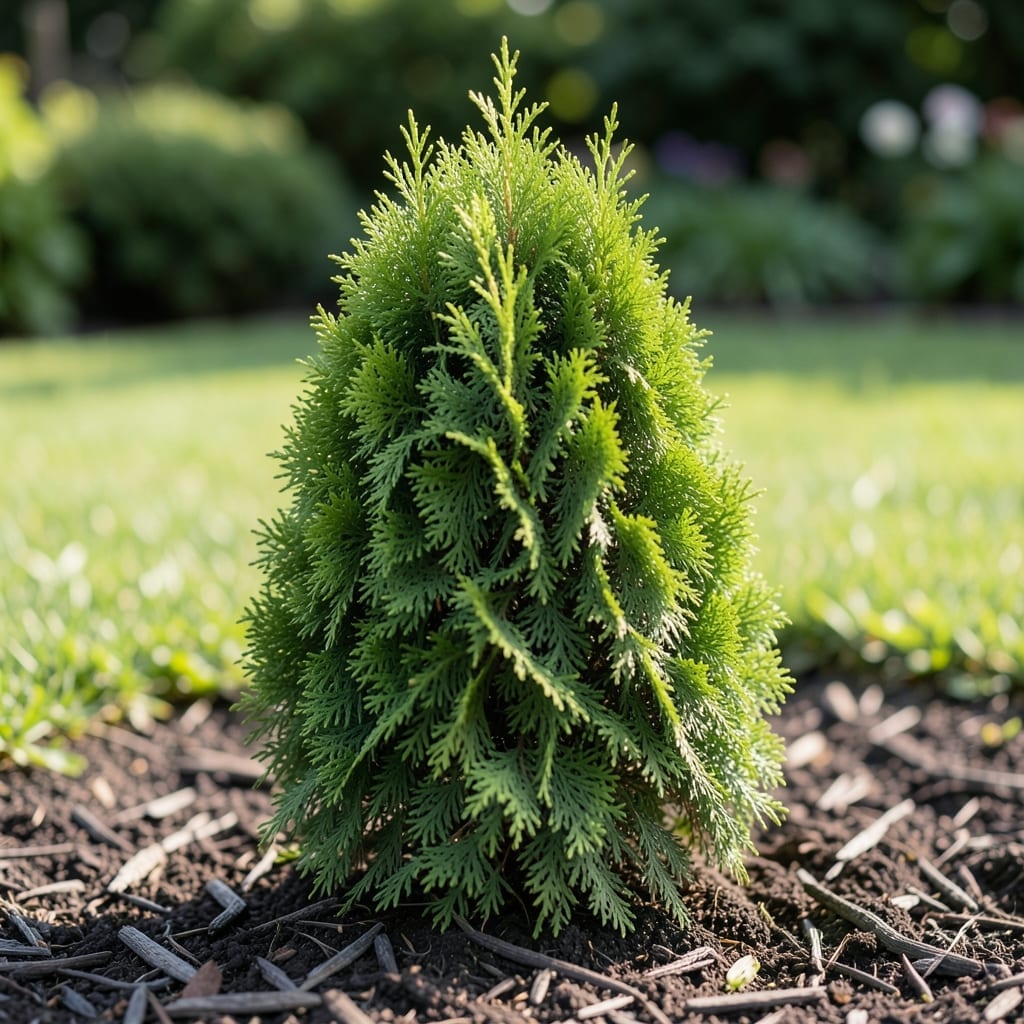
I first planted Root Rocket Evergreen on a whim during a drizzly March afternoon. The transformation from sparse branches to a lush green centerpiece happened faster than I expected.
This variety thrives where others struggle—poor soil, partial shade, even dry spells. The key is matching its needs to your space, not the other way around. Most people overwater it; I learned that lesson the hard way.
Within 6 months, you’ll have a dense, vibrant plant that looks like it’s been established for years. It handles pruning beautifully and bounces back from neglect better than most evergreens I’ve grown.
Perfect for borders, foundation plantings, or that tricky spot where nothing else survives. Here’s how to make it work.
The root rocket evergreen phenomenon—whereevergreen plants exhibit sudden, vigorous root growth—often leads to stress or decline if not properly managed. This unexpected surge typically stems from environmental triggers or cultural mismanagement. Below are the primary causes, explained with actionable insights.
Excess nitrogen, particularly in fast-release fertilizers, forces roots to overproduce in search of balance. Evergreens like pine or spruce, adapted to low-nutrient soils, react by pushing root rockets—rapid, weak root growth that exhausts the plant’s energy reserves. Solution: Use slow-release organic fertilizers and test soil annually to maintain a 3:1:2 NPK ratio.
Saturated soil reduces oxygen availability, prompting roots to grow upward toward the surface in a survival response. This creates shallow, vulnerable systems prone to drought stress. Action: Ensure containers have drainage holes and amend heavy clay soils with perlite or compost.
Sudden warmth after a cold spell (e.g., early spring thaw) tricks evergreens into breaking dormancy prematurely. Roots grow aggressively, but if frost returns, new growth dies back, weakening the plant. Prevention: Mulch heavily in fall to insulate soil and delay spring warming.
Digging, repotting, or construction nearby severs fine roots, triggering compensatory growth. While beneficial in moderation, excessive regrowth diverts energy from foliage. Tip: Minimize root disturbance and water deeply post-transplant to reduce stress.
When your evergreen plants show signs of Root Rocket issues, quick action can restore their health. Below are targeted solutions for common causes, along with prevention tips to keep your greenery thriving year-round.
If water pools around the roots, amend the soil with coarse sand or perlite to boost drainage. For potted plants, ensure containers have drainage holes and use a well-draining potting mix. Prevention tip: 💡 Elevate pots slightly off the ground to avoid waterlogging.
Yellowing needles or stunted growth often signal a lack of nitrogen or iron. Apply a slow-release, evergreen-specific fertilizer in early spring. For iron deficiency, use chelated iron supplements. Prevention tip: 🌡️ Test soil pH annually—evergreens prefer slightly acidic soil (5.5–6.5).
Too much water suffocates roots. Let the top 1–2 inches of soil dry out between waterings. Use a moisture meter to gauge needs accurately. Prevention tip: ✨ Water deeply but infrequently to encourage deep root growth.
Spider mites or root weevils? Spray with neem oil or introduce beneficial nematodes for soil-dwelling pests. For severe cases, use insecticidal soap. Prevention tip: 🎯 Inspect plants regularly, especially under leaves, and remove debris where pests hide.
Fungal issues like root rot require removing affected roots and treating with a copper-based fungicide. Improve airflow by thinning dense foliage and spacing plants properly. Prevention tip: 🌬️ Avoid overhead watering to keep foliage dry.
Water deeply every 7-10 days, allowing the top 1-2 inches of soil to dry between sessions. Overwatering causes root stress, so always check moisture first.
Use well-draining, slightly acidic soil (pH 5.5-6.5). Amend heavy clay with perlite or compost to improve aeration and prevent waterlogging.
Yellowing often signals nitrogen deficiency or iron chlorosis. Apply a slow-release evergreen fertilizer in early spring and test soil pH.
It tolerates partial shade but thrives in 4-6 hours of sunlight daily. Too little light leads to sparse growth and weak root systems.