
Beautiful Plants For Your Interior
Beautiful Plants For Your Interior
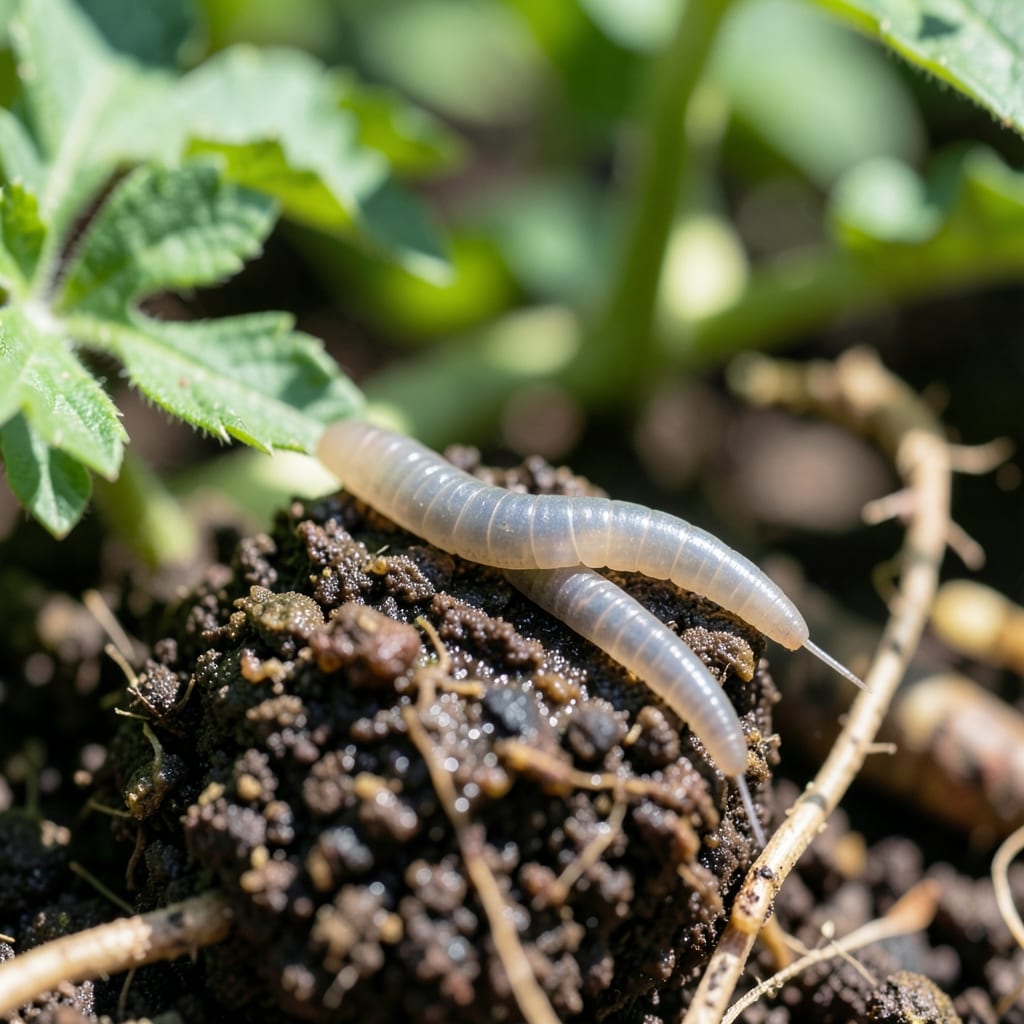
These microscopic pests can turn a thriving garden into a wasteland. I’ve seen root knot nematodes destroy entire beds overnight, but the right approach brings plants back to healthy life.
Chemical treatments work fast, but timing and application matter. You’ll need to target the soil before planting to break the cycle and protect new growth.
📚 In This Guide
Here’s the method I use to treat infested soil and restore plant health effectively.
Before applying any treatment, confirm the presence of root knot nematodes by examining plant roots for characteristic galls or swellings. I always send a soil sample to a local extension office for professional analysis, as visual symptoms alone can sometimes be misleading.
Testing takes 7-10 days but provides definitive confirmation and nematode species identification. This step ensures you’re targeting the right pest and prevents unnecessary chemical use that could harm beneficial soil organisms.
Select a chemical nematicide labeled specifically for root knot nematodes, such as oxamyl or fenamiphos. I apply these as a soil drench at planting or as a directed spray to the root zone of established plants, following label rates precisely.
For best results, apply when soil temperatures are between 60-85°F and moisture levels are adequate but not waterlogged. Wear protective gear including gloves and a mask, as these chemicals require careful handling. Water the soil lightly after application to help distribute the active ingredient.
After chemical treatment, I often follow up with soil solarization to reduce nematode populations further. Cover the treated area with clear plastic sheeting for 4-6 weeks during the hottest part of summer.
This method traps solar heat, raising soil temperatures to levels lethal to nematodes. Secure the plastic edges with soil or weights to prevent heat escape. The combination of chemical and solar treatment provides more comprehensive control than either method alone.
Plant nematode-resistant varieties or non-host crops in the treated area for at least one growing season. I’ve found that marigolds, certain varieties of tomatoes, and grains are effective rotation crops.
This practice starves out remaining nematodes while maintaining soil health. Keep the area free of susceptible weeds that might harbor nematodes between crops. Rotation breaks the pest’s life cycle and prevents population buildup in future plantings.
Monitor plant health closely during the first growing season after treatment, as this is when any surviving nematodes would be most active.
These insights will help you maximize effectiveness while avoiding common pitfalls.
Testing Timing: The 7-10 days for soil testing in Step 1 might seem long, but this window ensures accurate identification. I’ve learned that rushing this step often leads to misdiagnosis and wasted treatment efforts on the wrong pest.
Temperature Precision: For Step 2, applying nematicides when soil is between 60-85°F is non-negotiable. I once applied at 55°F and saw significantly reduced effectiveness—the active ingredients need this warmth range to work properly.
Solarization Setup: In Step 3, securing plastic edges with soil rather than just weights prevents heat escape. I discovered this the hard way when wind lifted my plastic, ruining an entire week of solarization efforts.
Rotation Strategy: For Step 4, plant marigolds first—they’re particularly aggressive at suppressing nematode populations. I’ve found this gives subsequent crops the best chance at establishing without reinfestation.
Common effective chemicals include oxamyl, fenamiphos, and carbamates. Always choose EPA-approved nematicides and follow label instructions for safe, targeted application.
Apply chemicals before planting or during early crop stages for prevention. For existing infestations, treat during active nematode growth, typically in warmer months.
Yes! Organic options include neem cake, marigold intercropping, and compost tea. These can suppress nematodes naturally but may require repeated applications for effectiveness.
Look for stunted growth, yellowing leaves, or swollen roots (galls). Confirm with a soil test from a lab for accurate identification and treatment planning.
Wear protective gear (gloves, masks), avoid windy days, and keep children/pets away. Store chemicals securely and dispose of containers as directed by local regulations.