
Beautiful Plants For Your Interior
Beautiful Plants For Your Interior
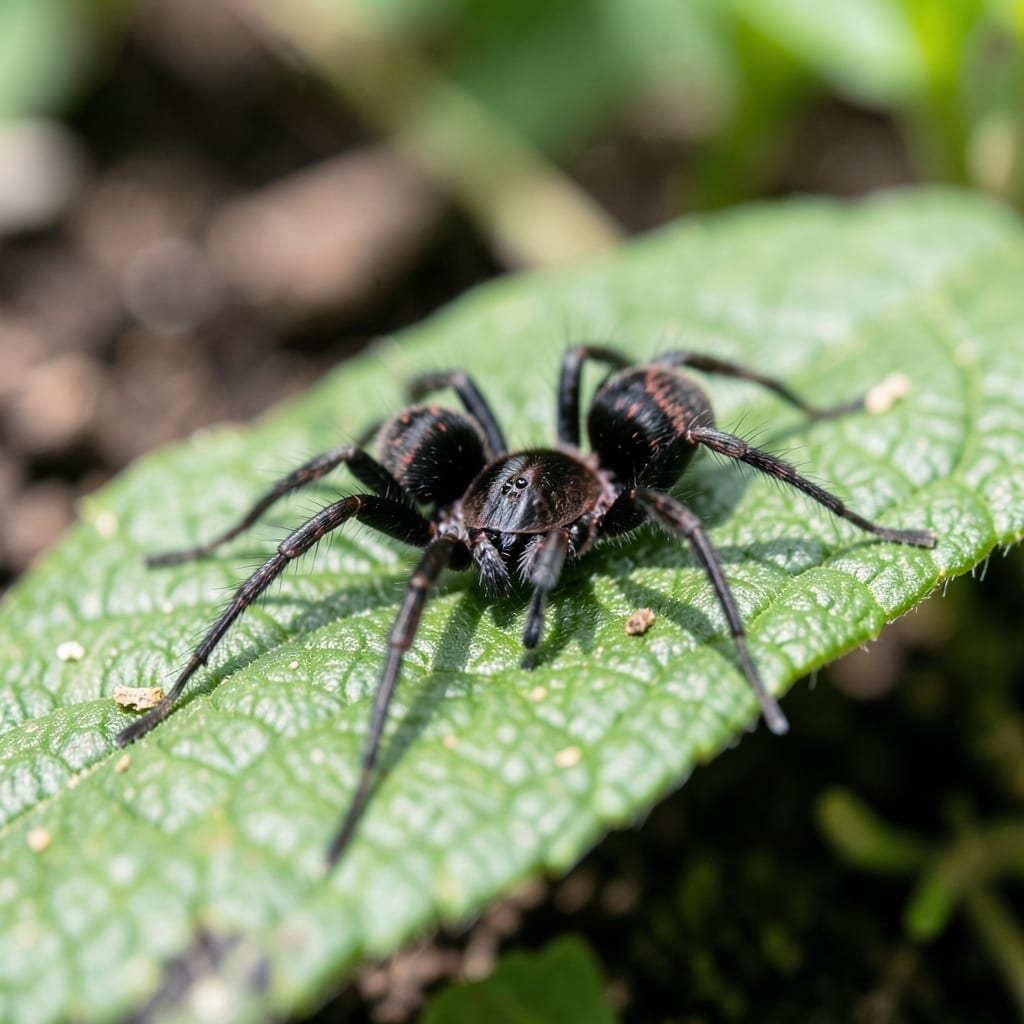
Spiders in your outdoor garden can turn a peaceful space into a concern. I’ve tested numerous methods to keep vines and plants safe while addressing the issue naturally.
The key is using organic solutions that target spiders without harming your garden. Simple, vine-safe approaches can make a noticeable difference in just a few days.
You’ll see fewer webs and pests as the balance of your garden ecosystem improves. The process is straightforward and avoids harsh chemicals entirely.
Works for any outdoor area, from small patios to large garden plots. Here’s how to restore the harmony.
Understanding why spiders congregate around your home is the first step in addressing the issue effectively. Here are the primary reasons, backed by science:
Spiders follow their prey. If your yard has an abundance of insects like mosquitoes, flies, or aphids, spiders will naturally flock to these areas. Gardens, outdoor lights, and standing water are common hotspots for insect activity, which in turn attract spiders. Reducing insect populations with natural predators (e.g., birds, ladybugs) or removing attractants (e.g., bright lights at night) can minimize spider gatherings.
Spiders seek protected, undisturbed spaces to build webs or lay eggs. Piles of wood, dense shrubbery, leaf litter, and cracks in walls or foundations provide ideal shelter. Even cluttered storage areas (like sheds or garages) can become spider havens. Regularly cleaning and sealing potential hiding spots disrupts their habitat and encourages them to relocate.
Many spider species thrive in damp environments. Leaky faucets, poor drainage, or overly watered lawns create the perfect conditions for spiders like cellar spiders or wolf spiders. Fixing leaks, improving drainage, and maintaining proper ventilation in crawl spaces can make your property less appealing to moisture-loving arachnids.
Spiders are cold-blooded and often move indoors or to warmer outdoor areas (e.g., sunlit walls or patios) when temperatures drop. Conversely, during extreme heat, they may seek cooler, shaded spots under decks or porches. Monitoring and adjusting these microclimates (e.g., using shade cloths or removing heat-trapping debris) can discourage spider settlements.
Dealing with spiders in your garden or vineyard doesn’t have to mean harsh chemicals. Here’s how to tackle common causes and keep your outdoor space spider-free, naturally.
Spiders love hiding in dense plants and leaf litter. Clear away overgrown vines, weeds, and debris where they nest. Regularly prune shrubs and trees to reduce shelter. Prevention tip: Keep mulch and compost piles away from your home or garden perimeter.
Moisture attracts insects, which in turn attract spiders. Fix leaks in hoses or irrigation systems, and ensure proper drainage in garden beds. Use gravel or sand in problem areas to keep soil dry. Prevention tip: Empty saucers under potted plants weekly to eliminate standing water.
Spiders follow their food—other bugs. Introduce natural predators like ladybugs or lacewings to control pests. Plant spider-repelling herbs such as mint, lavender, or eucalyptus near entry points. Prevention tip: Avoid overusing outdoor lights at night, which can attract insects (and spiders).
Inspect your home’s exterior for cracks, gaps, or loose screens. Seal openings with caulk or weather stripping, and install door sweeps. For gardens, create barriers like diatomaceous earth or citrus peels around plants—spiders dislike these textures and scents. Prevention tip: Store firewood and garden tools off the ground and away from walls.
💡 Pro Tip: A mix of peppermint oil and water sprayed along fences or patio edges can deter spiders without harming plants.
Reapply every 1-2 weeks or after heavy rain, as essential oils and natural barriers lose potency over time. Peppermint or citrus sprays work best when fresh.
No, organic solutions like diatomaceous earth or herbal sprays are vine-safe when used as directed. Always test a small area first to ensure compatibility.
Removing clutter and sealing entry points can reduce spiders within 24-48 hours. Combining this with natural repellents speeds up the process even more.
They may return if food sources or shelter remain. Consistent maintenance, like trimming vegetation and controlling moisture, keeps them away long-term.